
Trump Downplays China’s Role in Iran Conflict Before Beijing Talks
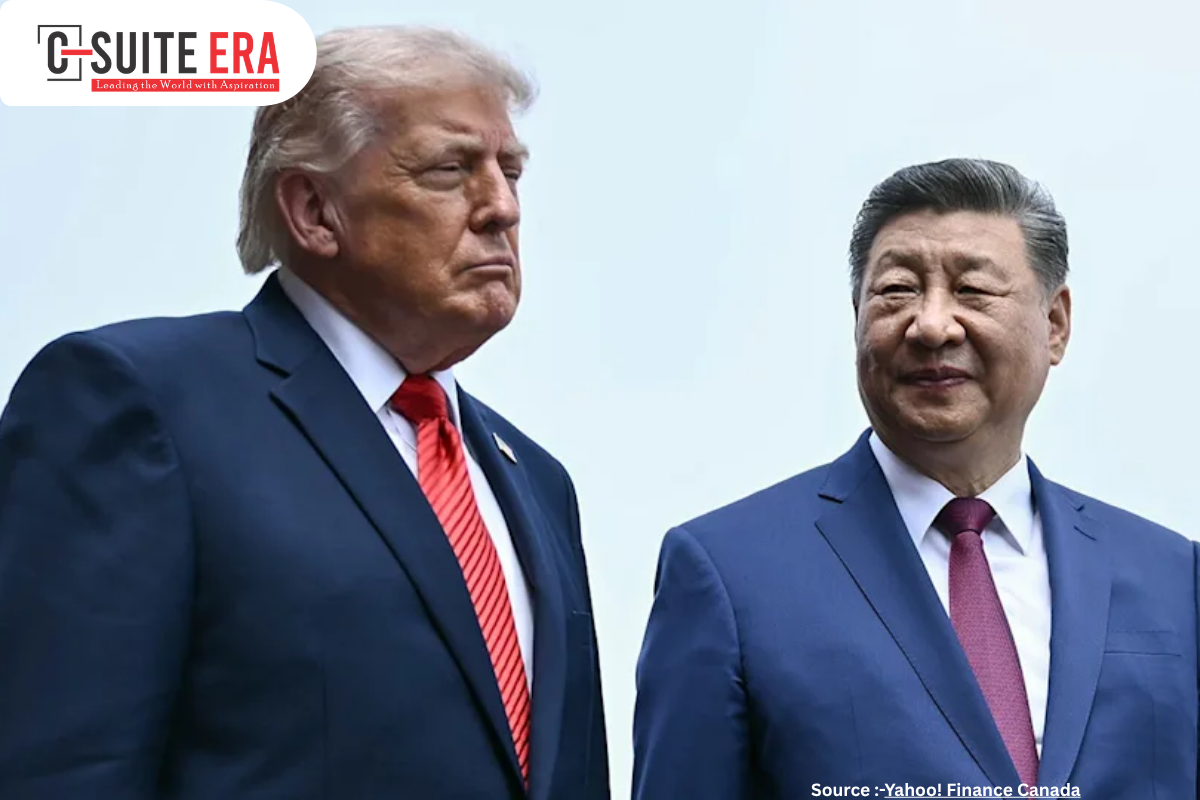
US President Donald Trump has stated that the United States does not require China’s assistance to resolve US–China Dynamics Although Trump publicly minimized China’s importance in resolving the ongoing conflict with Iran, despite the issue expected to dominate discussions during his high-profile summit with Chinese President Xi Jinping in Beijing.
Speaking before departing for China, Trump said the United States would prevail in dealing with Iran “peacefully or otherwise,” while emphasizing that Washington remains capable of handling the situation independently. His remarks came amid growing geopolitical pressure surrounding the ongoing Iran war and instability in the Strait of Hormuz, one of the world’s most critical energy transit routes.
The comments reflect a shift in tone after earlier indications from US–China Dynamics officials suggested Washington hoped Beijing could use its influence over Tehran to ease tensions and help stabilize shipping routes through the Persian Gulf. China remains one of Iran’s largest economic partners and a major buyer of Iranian oil, giving Beijing considerable leverage in regional diplomacy.
Trump’s visit marks the first US presidential trip to China in nearly a decade and comes at a politically sensitive moment for both countries. The summit agenda is expected to include trade disputes, artificial intelligence regulation, Taiwan, energy security, and the escalating Iran conflict.
Iran War and Hormuz Crisis Reshape US–China Dynamics
Although Trump publicly minimized China’s importance in resolving the conflict, the Iran war has increasingly become a central factor in US–China Dynamics Analysts note that disruptions in the Strait of Hormuz have created severe pressure on global energy markets, driving higher oil prices and increasing economic uncertainty worldwide.
Iran’s growing control over access through the strait has emerged as one of Washington’s primary strategic concerns. The waterway previously handled roughly one-fifth of the world’s oil and gas shipments before conflict-related disruptions intensified earlier this year.
Recent diplomatic exchanges between Washington and Beijing suggest that both governments share concerns about Iran’s ability to influence international shipping flows. According to Reuters, senior US and Chinese officials agreed during earlier discussions that no country should impose tolls or restrictions on international waterways such as the Strait of Hormuz.
Despite those areas of overlap, Beijing has maintained a cautious and strategically balanced position throughout the conflict. China has publicly called for diplomacy and de-escalation while avoiding direct military involvement. At the same time, US officials have accused Chinese entities of indirectly supporting Iran through energy trade and dual-use technology transfers, allegations Beijing has largely rejected.
The summit therefore takes place against a backdrop of both cooperation and rivalry, where economic interdependence continues alongside deep strategic mistrust.
Domestic Pressures Shape Trump’s Diplomatic Strategy
Trump’s comments also reflect broader domestic political pressures surrounding the Iran war and the US economy. Rising fuel prices, inflation concerns, and prolonged military engagement have increasingly weighed on the administration ahead of the upcoming midterm elections. Reuters analysis noted that the economic environment facing Trump is significantly weaker than during his previous meetings with Xi Jinping.
While the US–China Dynamics continues to frame the Iran campaign as strategically necessary, polling trends and economic indicators suggest growing voter concern over the conflict’s financial consequences. Elevated oil prices and supply disruptions linked to Hormuz instability have contributed to inflationary pressure across multiple sectors.
The China summit is therefore viewed by many analysts as an opportunity for Trump to secure diplomatic or economic wins that could help stabilize market sentiment and demonstrate progress on global security issues. Trump traveled to Beijing accompanied by several prominent business leaders, including major technology executives, signaling that trade and economic access remain core priorities alongside geopolitical negotiations.
Still, expectations for major US–China Dynamics breakthroughs remain limited. Structural disagreements over Taiwan, export controls, military competition, and China’s relationship with Iran continue to complicate negotiations between the world’s two largest economies.
As talks begin in Beijing, the summit is increasingly being viewed less as a moment for sweeping agreements and more as an effort to prevent further deterioration in US–China relations during a period of mounting geopolitical instability.
Also Read :- C Suit Era Magazine for more information