
1. Multi-State Lawsuit Targets California’s Sweeping Packaging Regulations
A coalition of 17 U.S. states has filed a lawsuit against California, seeking to overturn one of the country’s most ambitious environmental laws aimed at reducing plastic waste and increasing recycling requirements.
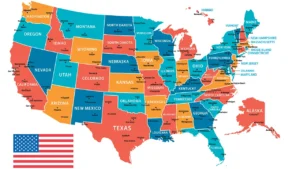
According to Reuters, the lawsuit was filed in federal court in Sacramento by states led by Republican attorneys general. The legal challenge targets California’s Plastic Pollution Prevention and Packaging Producer Responsibility Act, a landmark law designed to reduce reliance on single-use plastics while shifting greater responsibility for waste management and recycling onto manufacturers and producers.
The states argue that California is attempting to impose its environmental policies beyond its borders by forcing companies nationwide to comply with standards established by a single state. The complaint contends that because many businesses operate across state lines, California’s regulations effectively influence packaging decisions throughout the country rather than solely within California.
The challenged law, commonly known as SB 54, was signed in 2022 and established an extended producer responsibility framework for packaging and single-use plastic food-service products. The legislation requires significant reductions in single-use plastic packaging, higher recycling rates, and increased use of recyclable or compostable materials over the coming decade.
Plaintiff states maintain that California lacks authority to regulate commerce occurring outside its jurisdiction and that the law creates burdens for manufacturers, retailers, and consumers nationwide. They are asking the court to block enforcement of key provisions and declare portions of the law unconstitutional.
The California’s Landmark Plastics Law represents the latest chapter in an ongoing national debate over the extent to which individual states can use their economic influence to drive environmental policy across broader markets.
2. California’s Landmark Plastics Law Defends Law as a Critical Tool Against Plastic Pollution
California officials have defended the legislation as a necessary response to the growing environmental and economic costs associated with plastic waste.
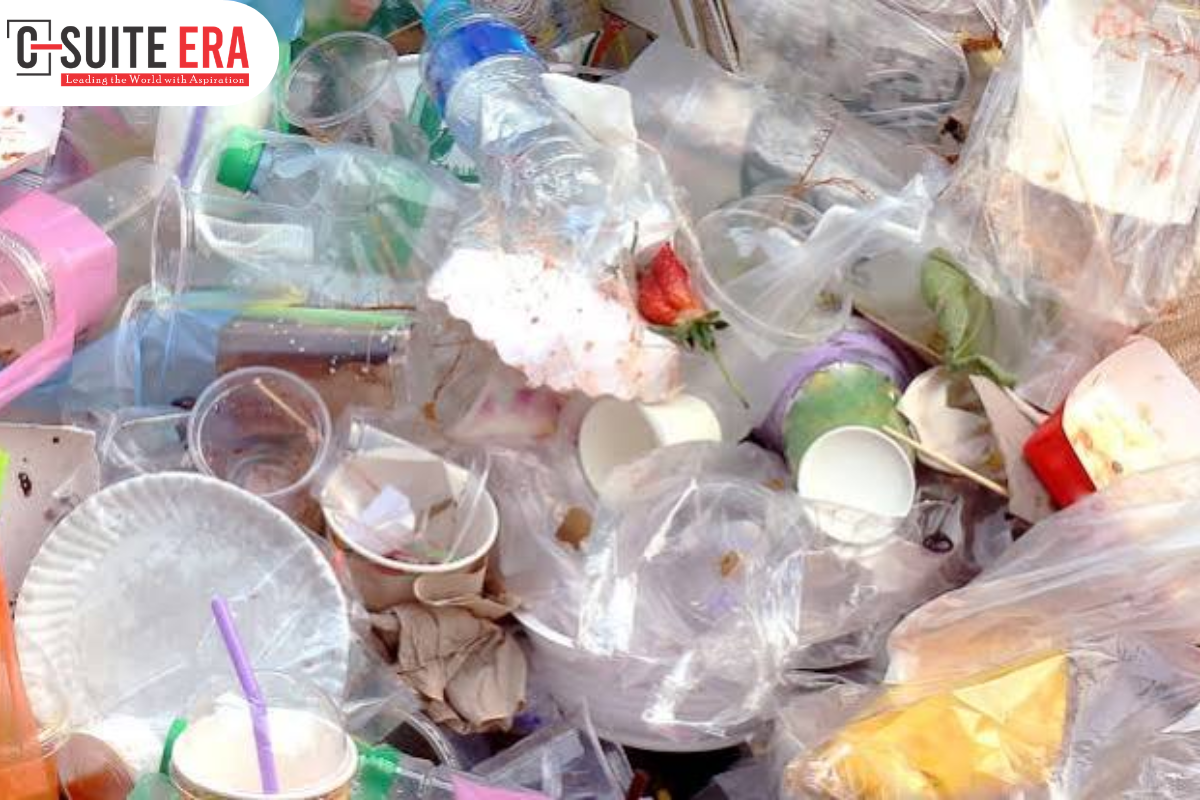
The state has long argued that California’s Landmark Plastics Law pollution has become a significant environmental challenge, affecting landfills, waterways, wildlife habitats, and coastal ecosystems. Under SB 54, producers are required to help finance recycling infrastructure and waste-reduction programs while redesigning packaging to meet stricter sustainability standards. By 2032, the law aims to reduce single-use plastic packaging by 25%, ensure that all covered packaging is recyclable or compostable, and achieve substantially higher recycling rates.
Supporters of the law argue that producers are best positioned to reduce waste because they control product design, packaging materials, and manufacturing decisions. Environmental organizations have praised the legislation as one of the most comprehensive state-level efforts to address plastic pollution in the United States.
The California’s Landmark Plastics Law challenge comes amid broader tensions between California and Republican-led states over environmental regulation. California has frequently adopted stricter standards on issues ranging from vehicle emissions to recycling requirements, often prompting legal disputes over the state’s influence on national markets.
Business groups and some industry organizations have previously expressed concerns that compliance costs associated with packaging reforms could increase expenses throughout supply chains. Environmental advocates, however, argue that delaying action would result in even greater long-term costs linked to pollution, waste management, and ecosystem damage.
As the case proceeds, courts will likely examine whether California’s environmental objectives justify the broader commercial effects that opponents claim extend far beyond state borders.
3. Case Could Shape the Future of State Environmental Authority
Legal experts believe the outcome could have implications well beyond plastic packaging regulations.
At its core, the dispute centers on a recurring constitutional question: how much authority does a state have to enact policies that influence businesses operating nationwide? The plaintiff states argue that California’s size and economic influence allow it to effectively dictate national standards, while California is expected to argue that it is simply regulating products sold within its own borders.
The lawsuit arrives during a period of increasing conflict between states over environmental policy. California’s Landmark Plastics Law has recently faced challenges to vehicle emissions rules and other sustainability initiatives, while simultaneously pursuing its own legal actions related to pollution and recycling practices.
The California’s Landmark Plastics Law industry has also become the focus of multiple legal battles nationwide. Recent lawsuits involving recycling claims, plastic waste management, and environmental marketing practices reflect growing scrutiny of how plastic products are produced, marketed, and disposed of.
A ruling against California could limit the ability of states to implement aggressive environmental regulations that have indirect effects on interstate commerce. Conversely, a victory for California could strengthen the position of states seeking to use their market power to drive environmental reforms and influence corporate behavior nationally.
For businesses, the case highlights the increasing complexity of operating in a regulatory landscape where environmental standards can vary significantly from one state to another. Many companies are already adapting packaging strategies to comply with emerging sustainability requirements, making the lawsuit particularly important for manufacturers, retailers, and consumer goods producers.
As the legal battle unfolds, the case is expected to become a closely watched test of the balance between environmental policymaking, state authority, and interstate commerce—issues that will likely continue to shape the future of regulation across the United States.
Also Read : C Suite Era Magazine for more information