


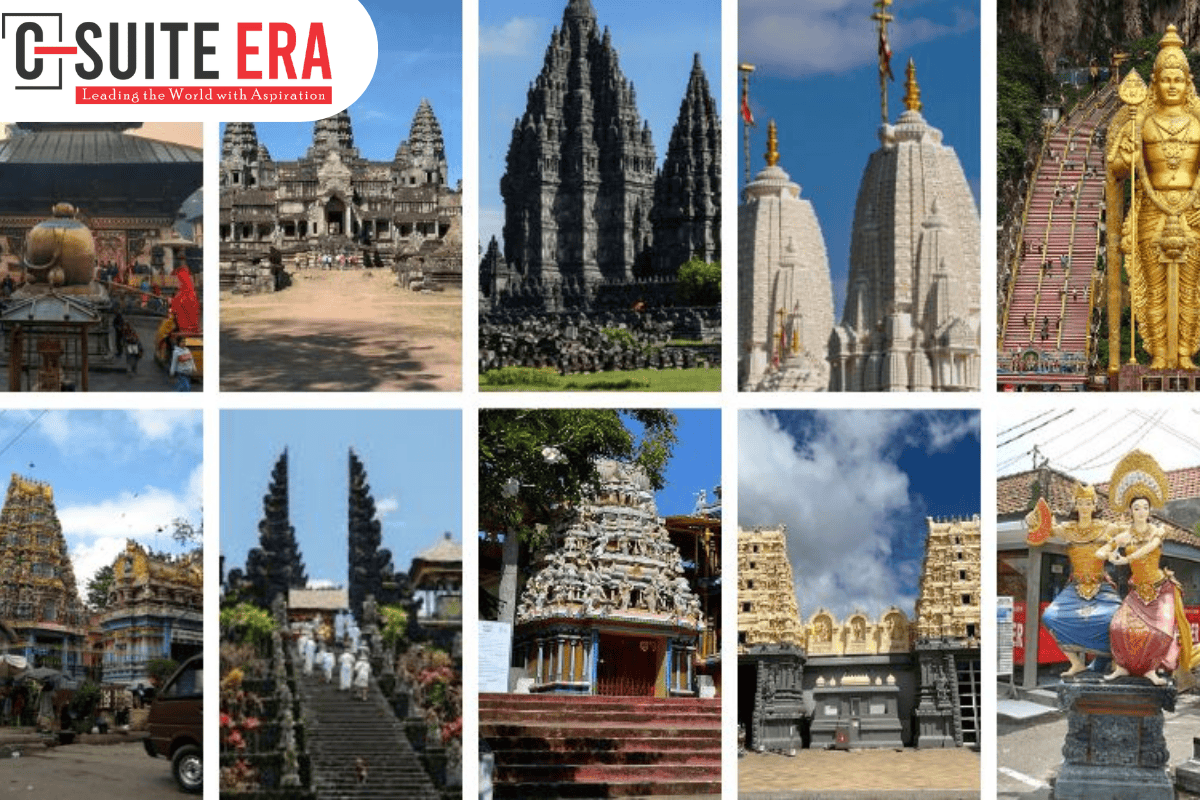
Hindu temples are more than places of worship. They represent centuries of faith, craftsmanship, architecture, culture, and community life. From enormous temple complexes in India to remarkable Hindu shrines across Asia, the Largest Hindu Temples in the World demonstrate the scale and diversity of Hindu architectural traditions. These sacred spaces attract millions of devotees and visitors while preserving stories, rituals, and artistic traditions that have survived for generations.
The Architectural Grandeur of the Largest Hindu Temples in the World
The Largest Hindu Temples in the World vary greatly in design, history, and architectural style. Some are known for their enormous temple complexes, while others stand out because of their towering gateways, expansive courtyards, detailed sculptures, or massive surrounding structures.
Temple architecture traditionally reflects a connection between spirituality and the physical world. Designers carefully planned sanctums, halls, towers, gateways, water bodies, and processional spaces. The result is architecture that combines religious purpose with extraordinary engineering and artistic expression.
1. Angkor Wat, Cambodia
Angkor Wat is one of the most famous religious monuments on Earth. Located near Siem Reap, Cambodia, it was built during the reign of King Suryavarman II in the 12th century.
The temple was originally dedicated to Vishnu and represents the grandeur of Khmer architecture. Its enormous scale, extensive galleries, towers, and detailed bas-reliefs make it an extraordinary example of Hindu-inspired sacred architecture.
Although Angkor Wat later became an important Buddhist site, its original Hindu foundations remain central to its history.
2. Sri Ranganathaswamy Temple, India
Located on the island of Srirangam in Tamil Nadu, the Sri Ranganathaswamy Temple is one of the largest functioning Hindu temple complexes in the world.
Dedicated to Lord Ranganatha, a reclining form of Vishnu, the temple features multiple concentric enclosures, enormous gateways, shrines, halls, and intricate sculptures.
Its expansive layout reflects the Dravidian architectural tradition and demonstrates how temples historically functioned as more than individual shrines. They could become entire cultural and social centers.
3. Akshardham Temple Complex, India
Swaminarayan Akshardham in New Delhi is a modern Hindu cultural and spiritual complex known for its elaborate architecture.
The complex combines traditional Indian architectural elements with exhibitions, gardens, water features, and cultural attractions. Its central monument features detailed carvings representing Indian spiritual and artistic traditions.
The site demonstrates how contemporary temple complexes can preserve traditional craftsmanship while creating spaces designed for large numbers of visitors.
4. BAPS Hindu Mandir, Abu Dhabi
The BAPS Hindu Mandir in Abu Dhabi represents a significant development in modern Hindu temple architecture outside India.
Built using traditional Indian craftsmanship and architectural principles, the temple incorporates intricate stone carvings and symbolism from different Indian traditions. Its location in the United Arab Emirates also reflects the international presence of Hindu communities and Indian cultural heritage.
The temple has become a prominent cultural landmark while serving as a place of worship.
5. Brihadisvara Temple, India
The Brihadisvara Temple in Thanjavur, Tamil Nadu, is one of India’s greatest examples of Chola architecture.
Built under Rajaraja Chola I in the early 11th century, the temple is dedicated to Shiva. Its towering vimana, monumental proportions, stone construction, and intricate artistic details showcase the technical abilities of Chola-era builders.
The temple forms part of the UNESCO-listed Great Living Chola Temples and remains an important center of worship and heritage.
6. Meenakshi Amman Temple, India
The Meenakshi Amman Temple in Madurai is among the most recognizable Hindu temples in India.
Dedicated primarily to Goddess Meenakshi and Lord Sundareswarar, the temple is famous for its colorful gopurams covered with thousands of sculptural figures.
The complex contains numerous halls, shrines, corridors, and ceremonial spaces. Its architecture reflects the evolution of the South Indian temple tradition and continues to play a major role in the cultural identity of Madurai.
Why These Temples Matter?
The Largest Hindu Temples in the World demonstrate how religious architecture can become a lasting expression of civilization. Their importance extends beyond their physical dimensions.
These temples preserve sculpture, painting, engineering techniques, religious traditions, festivals, music, dance, and community practices. Many have also influenced the development of cities around them.
Their scale required sophisticated planning and coordination. Builders had to work with enormous quantities of stone and other materials while maintaining complex architectural proportions.
More Than Places of Worship
The history of Hindu temples shows that they often served multiple purposes. Temples could operate as centers of education, culture, art, charity, festivals, and community gatherings.
Their walls frequently preserve mythological narratives and historical references through sculpture and inscriptions. Their courtyards and halls continue to provide spaces for religious ceremonies and cultural activities.
This combination of spirituality, art, architecture, and community life explains why some temples have remained influential for hundreds or even thousands of years.
Preserving a Living Heritage
The Largest Hindu Temples in the World are not simply monuments from the past. Many remain active places of worship where traditional rituals continue every day.
Preserving these sites requires maintaining architectural structures while also protecting intangible heritage. Festivals, rituals, traditional craftsmanship, music, and religious practices form an equally important part of their identity.
As tourism increases, responsible preservation becomes essential. Visitors can help protect these sites by respecting religious customs, following photography restrictions, and treating historic structures with care.
Conclusion
The Largest Hindu Temples in the World reveal the extraordinary relationship between faith, architecture, art, and civilization. From the monumental scale of Angkor Wat to the intricate gopurams of South Indian temples and the emergence of modern Hindu landmarks abroad, each site tells a different story.
Their significance cannot be measured only in acres, height, or architectural scale. Their true importance lies in the traditions they preserve and the communities they continue to serve. Together, these temples represent a living heritage that connects ancient craftsmanship with the spiritual and cultural life of the present day.
Also Read :- 10 Leadership Habits That Can Make You a Better Leader