

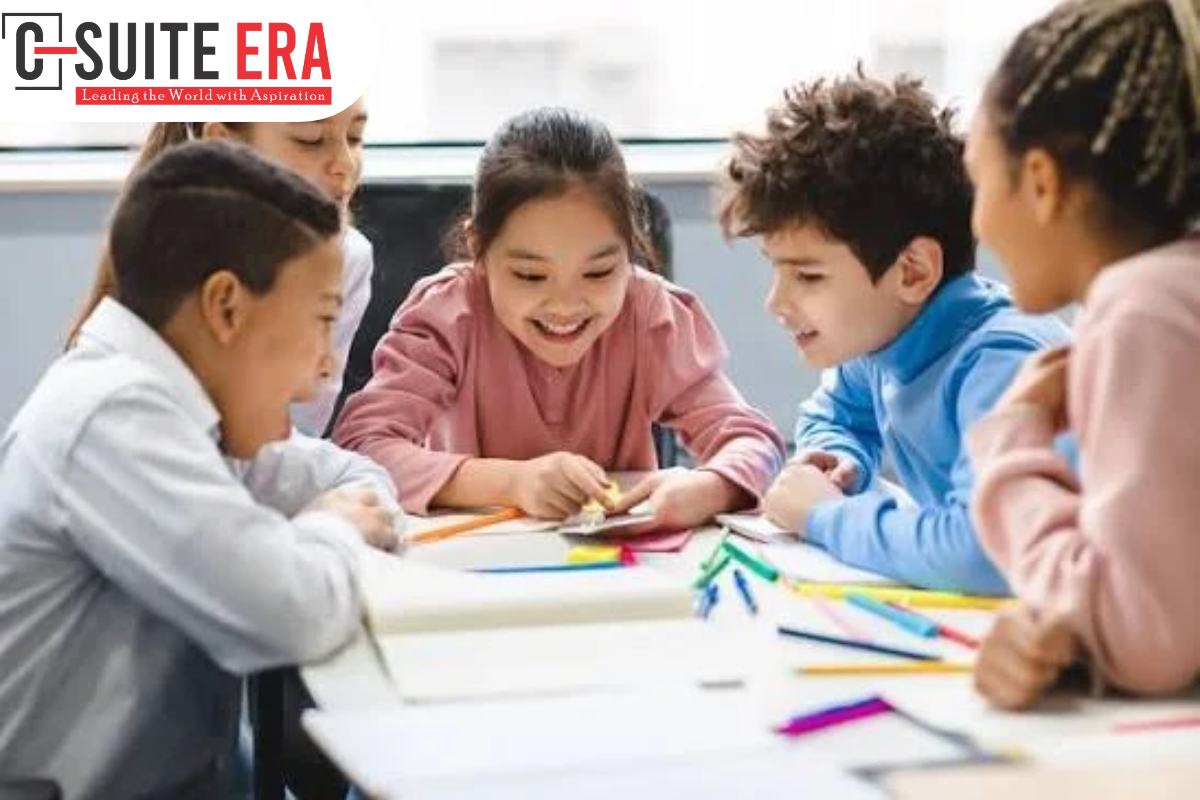
Team Building Activities for Kindergartners can help young children develop communication, cooperation, sharing, listening, and problem-solving skills while keeping learning playful. At the kindergarten level, activities should be simple, short, and enjoyable, with an emphasis on participation rather than competition. Well-planned group games can also help children become more comfortable working with classmates and expressing their ideas.
Why Team Building Activities Matter for Young Children?
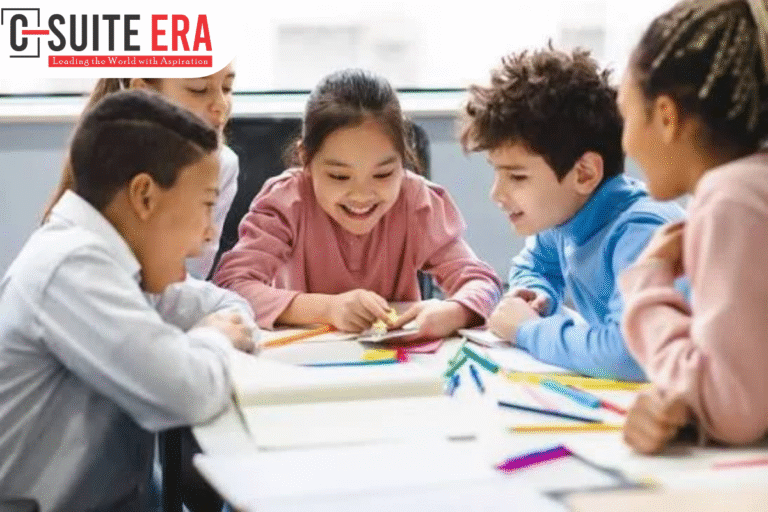
Kindergarten is an important stage for developing early social skills. Children are beginning to understand how to take turns, follow group instructions, listen to others, and work toward a shared goal. Team Building Activities for Kindergartners provide opportunities to practice these skills naturally through play.
Teachers can use activities that require children to cooperate instead of focusing on individual winners. This helps create a classroom environment where children learn that teamwork involves listening, helping, and contributing.
1. Build a Tower Together
Give small groups blocks, cups, or other safe building materials. Ask children to work together to build the tallest or most creative structure they can make.
The activity encourages communication and planning. Children must decide what to build, share materials, and work together when the structure falls.
2. Group Puzzle Challenge
Divide children into small teams and provide each group with a simple age-appropriate puzzle. Encourage them to work together to complete it.
Teachers can ask children to discuss where different pieces might fit rather than simply giving them the answer. This supports observation, patience, and collaborative problem-solving.
3. Pass the Ball
Have children sit or stand in a circle and pass a soft ball while music plays. When the music stops, the child holding the ball can perform a simple action, such as clapping, jumping, or saying their favorite animal.
The activity can be adapted so children work together to complete a sequence of movements, making it more cooperative.
4. Classroom Treasure Hunt
Hide several safe objects around the classroom and give children clues that require them to work together. Instead of having one child find everything, encourage the group to discuss the clues and search as a team.
This activity combines movement, communication, listening, and problem-solving.
5. Create a Group Art Project
Provide a large sheet of paper and art materials. Ask the children to create one picture together, such as a garden, city, ocean, or space scene.
Each child can contribute a different part of the picture. The completed artwork demonstrates how individual contributions can become one shared project.
Making Teamwork Fun and Inclusive
Effective Team Building Activities for Kindergartners should accommodate different personalities and abilities. Some children may naturally speak up, while others may prefer observing or contributing through hands-on tasks.
Teachers can rotate roles so every child gets opportunities to lead, help, create, organize, and communicate. Activities should also avoid eliminating children from the game, since repeated elimination can leave some students disengaged.
Short activities of around 10 to 20 minutes are generally easier for young children to manage. Clear instructions, demonstrations, and positive encouragement can make the experience more successful.
Conclusion
Team Building Activities for Kindergartners offer a simple way to develop cooperation, communication, creativity, and social confidence through play. Building challenges, puzzles, treasure hunts, movement games, and collaborative art projects can turn everyday classroom activities into opportunities for teamwork. When children learn to listen, share, encourage one another, and contribute toward a common goal, they begin developing social skills that can support them throughout their education.
Also Read :- Employee Engagement Strategies: Building a Motivated and High-Performing Workforce