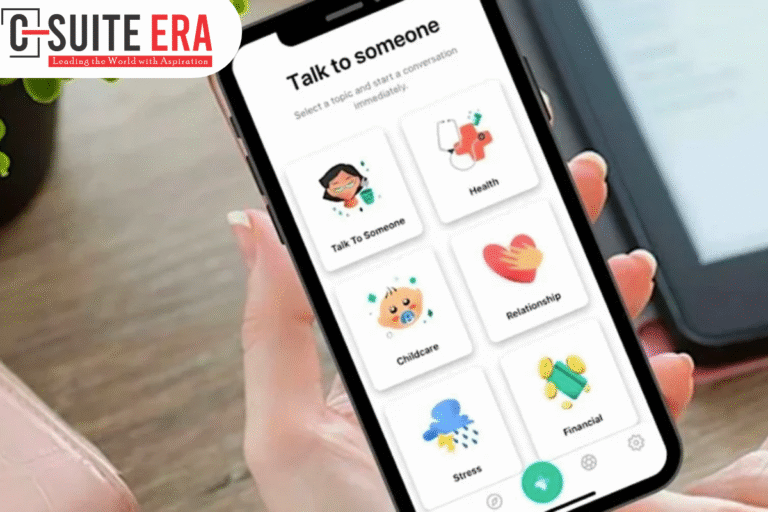


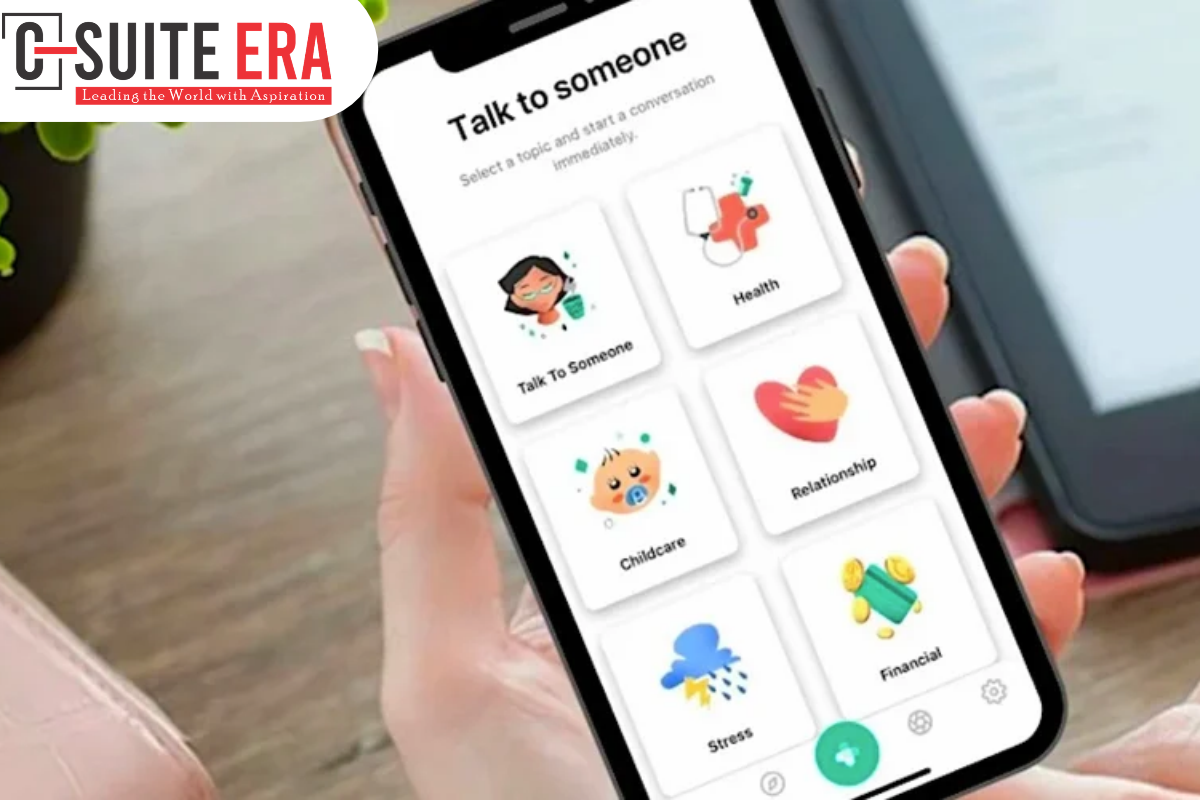
Mental Health Apps have become increasingly accessible tools for people who want to monitor their emotions, build healthier habits, practice mindfulness, or find support between professional appointments. From guided meditation and breathing exercises to mood tracking and structured self-help programs, these digital platforms offer different approaches to emotional wellbeing. They can be convenient and private, but they should generally complement rather than replace professional care when someone is experiencing significant or persistent symptoms.
What Are Mental Health Apps?
Mental health apps are mobile applications designed to support different aspects of psychological and emotional wellbeing. Their features can range from simple journaling and mood tracking to guided cognitive behavioral therapy exercises, relaxation techniques, sleep support, and connections with licensed professionals.
Because people’s needs differ, the most suitable app depends on the purpose behind using it. Someone looking to improve sleep may need a different type of tool from someone interested in managing stress or organizing thoughts through journaling.
Common Features of Mental Health Apps
Many mental wellness platforms include features designed to help users develop consistent habits.
1. Mood Tracking
Mood tracking allows users to record emotions over time. Reviewing these entries can help identify recurring patterns, situations, or habits associated with changes in mood.
2. Meditation and Breathing Exercises
Guided meditation and breathing exercises can encourage relaxation and help users establish short periods of intentional rest during the day. Many apps provide sessions of different lengths, making them easier to incorporate into daily routines.
3. Journaling
Digital journals provide a private space for recording thoughts, experiences, and emotions. Some applications provide prompts that encourage users to reflect on particular situations or identify patterns in their thinking.
4. Sleep Support
Some platforms offer sleep stories, relaxation exercises, soundscapes, and sleep tracking features. These tools are often designed to encourage consistent bedtime routines and relaxation.
5. Professional Support
Certain platforms connect users with therapists, counselors, or other mental health professionals. Depending on the service and location, appointments may be offered through messaging, audio calls, or video sessions.
Benefits of Using Mental Health Apps
One of the main advantages of digital mental wellness tools is accessibility. A smartphone can provide access to exercises and educational resources without requiring users to attend a physical location.
They can also encourage consistency. Short daily exercises may be easier for some people to maintain than occasional wellness activities. Tracking features can provide users with a record of their progress and habits.
Another benefit is flexibility. People can often choose activities based on their schedule, preferences, and immediate needs.
However, users should consider privacy policies, data collection practices, subscription costs, professional credentials where applicable, and the evidence supporting an app’s therapeutic claims before choosing a platform.
Choosing the Right App
When evaluating mental wellness applications, users should first identify what they want the app to help with. An application focused on meditation may not provide the same functionality as one designed around structured therapy exercises or professional consultations.
It is also useful to check whether the app clearly explains who developed its content, what qualifications its professionals have, how personal information is handled, and whether its claims are supported by credible evidence.
For people experiencing severe distress, thoughts of self-harm, or a mental health emergency, an app should not be treated as a substitute for immediate professional or emergency support.
Conclusion
Mental Health Apps can provide convenient tools for mindfulness, self-reflection, habit building, education, and access to professional support. Their usefulness depends on the individual’s needs and the quality of the particular application. By considering features, privacy, evidence, professional involvement, and personal goals, users can make more informed choices about incorporating digital tools into their broader approach to mental wellbeing.
Also Read :- Crypto, AI and Betting Firms Emerge as New Power Brokers in 2026 U.S. Midterm Elections