

Cricket has evolved from a traditional sport into a global commercial industry, creating opportunities for elite players to build substantial fortunes beyond the boundary ropes. The Richest Cricketers in the World have accumulated wealth through international cricket, franchise leagues, brand endorsements, business ventures, investments, and media appearances. While exceptional performances establish their reputations, their ability to build recognisable personal brands and explore opportunities beyond the game has helped many of them maintain financial success long after their playing careers. In 2026, Indian cricket legends continue to dominate several published wealth rankings, reflecting the country’s enormous cricket audience and the commercial influence of the Indian Premier League (IPL).
Who Are the Richest Cricketers in the World in 2026?
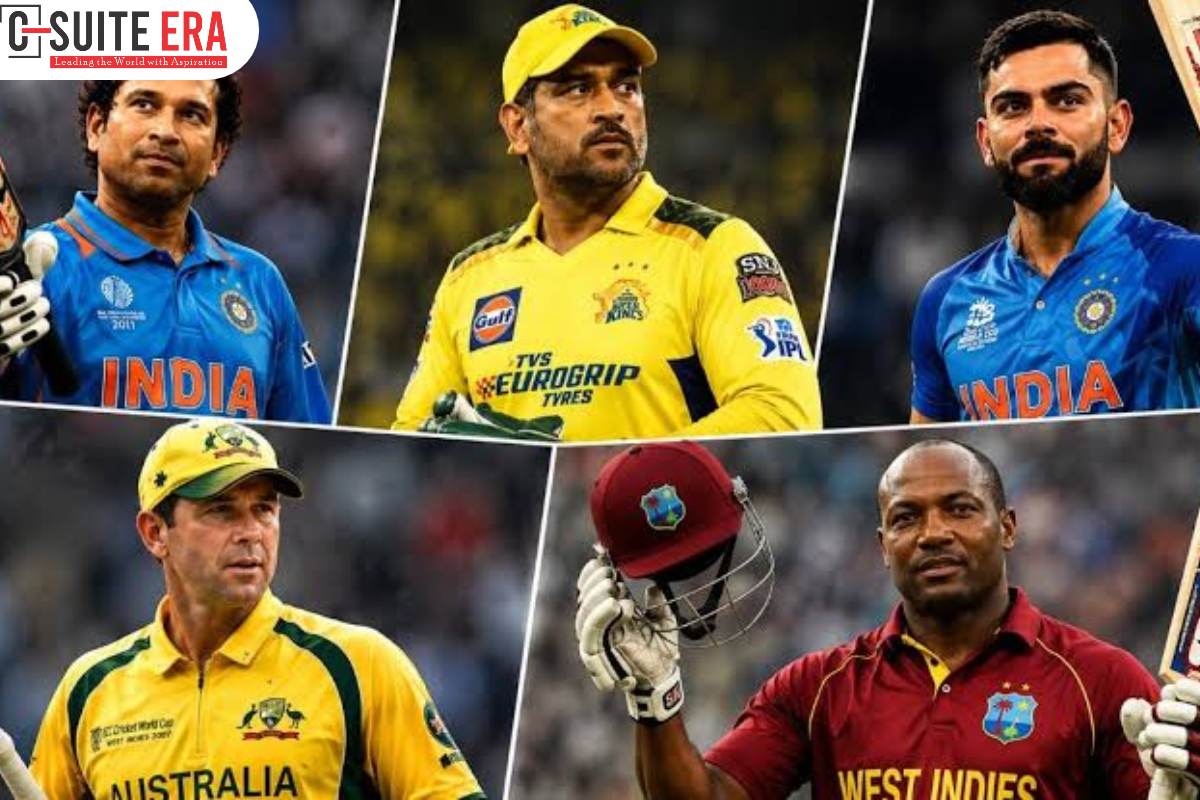
The wealth of professional cricketers varies according to their playing careers, commercial partnerships, business interests, and investments. Publicly reported estimates frequently place Sachin Tendulkar, MS Dhoni, and Virat Kohli among the wealthiest players in the sport.
According to estimates reported by Business Today and Moneycontrol in August 2026, Sachin Tendulkar leads with an estimated net worth of $170 million, followed by MS Dhoni at approximately $127 million and Virat Kohli at around $125 million. These figures are estimates rather than independently verified financial disclosures, and rankings may differ between publications.
Top 10 Richest Cricketers in the World
The following list highlights ten prominent cricketers frequently featured among the sport’s wealthiest personalities. The figures are approximate publicly reported estimates, not audited valuations.
| Rank | Cricketer | Country | Estimated Net Worth |
| 1 | Sachin Tendulkar | India | $170 million |
| 2 | MS Dhoni | India | $127 million |
| 3 | Virat Kohli | India | $125 million |
| 4 | Ricky Ponting | Australia | $70 million |
| 5 | Brian Lara | West Indies | $60 million |
| 6 | Yuvraj Singh | India | $50 million |
| 7 | Jacques Kallis | South Africa | $48 million |
| 8 | Chris Gayle | West Indies | $45 million |
| 9 | Virender Sehwag | India | $40 million |
| 10 | Shane Watson | Australia | $40 million |
Source note: Estimates are drawn from published media rankings available in 2026. Different sources use different methods and may report different values or rankings.
1. Sachin Tendulkar: The Richest Cricketer in the World
Sachin Tendulkar occupies the leading position in several published rankings of the richest cricketers in the world, with an estimated net worth of $170 million. His extraordinary international career established a legacy that continues to influence cricket and the wider sporting industry.
Tendulkar represented India for more than two decades, becoming one of the most recognisable figures in international sport. His achievements, consistency, and reputation helped him secure valuable endorsement partnerships with major brands.
However, his financial success extends beyond his playing career. Commercial partnerships, business investments, public appearances, and cricket-related activities have contributed to his continued presence in the business world.
His journey demonstrates how sporting excellence, combined with long-term brand credibility, can create opportunities that remain valuable long after retirement.
2. MS Dhoni: Building a Financial Legacy Beyond the IPL
Former India captain MS Dhoni is widely regarded as one of the most commercially successful cricketers of his generation. With an estimated net worth of $127 million, he ranks second on several 2026 wealth lists.
Dhoni’s reputation was shaped by his leadership, calm decision-making, and achievements across international cricket. His captaincy during major tournament victories strengthened his public image and made him attractive to advertisers.
The Indian Premier League has also played a significant role in his commercial journey. His long association with Chennai Super Kings has maintained his visibility among cricket audiences, while endorsements and business interests have diversified his income.
Dhoni’s understated personality and consistent public image have helped him build a distinctive personal brand. His career illustrates how leadership, trust, and a lasting connection with fans can translate into commercial opportunities.
3. Virat Kohli: Turning Sporting Excellence Into a Global Brand
Virat Kohli is among the most commercially influential active cricketers, with a reported estimated net worth of $125 million. His wealth reflects a combination of cricket earnings, IPL contracts, endorsements, and entrepreneurial activities.
Kohli’s performances for India and Royal Challengers Bengaluru have established him as one of the defining batters of his generation. His fitness-focused lifestyle, competitive personality, and substantial international following have also strengthened his appeal to global brands.
Beyond cricket, Kohli has been associated with ventures in fashion, fitness, hospitality, and lifestyle products. These interests have expanded his commercial identity beyond his achievements on the field.
His career highlights an important development in modern sport: elite athletes increasingly operate as individual brands, combining performance, public visibility, and business partnerships to create multiple sources of income.
4. Ricky Ponting: Sustaining Success After Retirement
Former Australian captain Ricky Ponting is frequently ranked among the wealthiest cricketers from outside India, with an estimated net worth of $70 million.
Ponting’s playing career included major international achievements and leadership during one of Australia’s most successful periods in cricket. His experience and reputation have continued to create opportunities since retirement.
Commentary, television analysis, coaching, and franchise cricket have helped him remain involved in the sport. His coaching work in the IPL has also connected his expertise with one of cricket’s largest commercial platforms.
Ponting’s journey illustrates how professional knowledge and a strong sporting reputation can support a second career. For retired athletes, coaching and broadcasting can provide continuing income while allowing them to influence the next generation of players.
5. Brian Lara: A Lasting Legacy in International Cricket
West Indies legend Brian Lara has an estimated net worth of $60 million in several published rankings. Known for his exceptional batting ability, Lara remains one of the most celebrated figures in international cricket.
His record-breaking performances and distinctive playing style helped establish his reputation across cricket-playing nations. That recognition has continued to support commercial opportunities, public appearances, and cricket-related engagements.
Lara’s involvement in commentary and other sporting activities has allowed him to maintain a connection with the game after his international retirement.
His financial journey reflects the lasting value of sporting distinction. A memorable career can create opportunities for former players to remain relevant through media, sponsorships, and professional appearances.
6. Yuvraj Singh: Combining Cricket With Entrepreneurship
Former India all-rounder Yuvraj Singh has an estimated net worth of approximately $50 million in several wealth rankings.
Singh earned recognition for his powerful batting, dynamic fielding, and contributions to India’s major tournament successes. His performances during the 2007 ICC Men’s T20 World Cup and the 2011 ICC Men’s Cricket World Cup helped establish his reputation as one of India’s most memorable limited-overs players.
Following his playing career, Singh explored opportunities involving investments, entrepreneurship, endorsements, and public engagements. His involvement in business and startup-related activities reflects the growing interest among athletes in building financial portfolios outside sport.
His story also demonstrates how personal resilience and professional reinvention can shape an athlete’s life after competition.
7. Jacques Kallis: Financial Success Through an All-Round Career
South African cricket great Jacques Kallis is often listed among the wealthiest cricketers, with an estimated net worth of $48 million.
Kallis distinguished himself through his ability to contribute with both bat and ball, becoming one of the most accomplished all-rounders in international cricket. His sustained performances across formats created opportunities through professional contracts, sponsorships, and franchise cricket.
After retirement, coaching and cricket-related work helped him maintain his connection with the sport.
His career highlights the importance of consistency and versatility. While the financial rewards of cricket have changed considerably over time, players who establish exceptional reputations can continue to benefit from their expertise and achievements.
8. Chris Gayle: The Commercial Appeal of T20 Cricket
West Indies star Chris Gayle is frequently associated with an estimated net worth of $45 million.
Known for his explosive batting and charismatic personality, Gayle became one of the most recognisable figures in T20 cricket. His performances in franchise competitions around the world expanded his audience beyond traditional international cricket.
T20 leagues, sponsorship agreements, entertainment appearances, and commercial activities have contributed to his financial profile.
Gayle’s career demonstrates how the expansion of franchise cricket has created opportunities for players with distinctive personalities and globally recognisable playing styles. The format has enabled experienced international cricketers to remain commercially relevant across different leagues and markets.
9. Virender Sehwag: From Aggressive Batter to Cricket Commentator
Former India opener Virender Sehwag is commonly listed with an estimated net worth of $40 million.
Sehwag became famous for his aggressive approach to batting, particularly in Test cricket, where he frequently challenged conventional expectations about scoring rates. His achievements and entertaining personality helped establish a strong public following.
After retirement, he moved into commentary, cricket analysis, endorsements, and other professional activities. His ability to communicate directly with audiences has helped him maintain a visible presence in the cricketing world.
His journey demonstrates how communication skills and a distinctive professional identity can support opportunities beyond an active sporting career.
10. Shane Watson: Earnings Across International and Franchise Cricket
Former Australian all-rounder Shane Watson is also frequently associated with an estimated net worth of $40 million.
Watson enjoyed a successful international career and became a valuable player in franchise competitions, particularly the IPL. His experience as a batter and bowler allowed him to contribute across different formats and teams.
After retiring from international cricket, Watson remained involved in the sport through coaching, commentary, and other cricket-related engagements.
His career reflects the changing economics of professional cricket, where international achievements can create opportunities across domestic leagues, broadcasting, and coaching.
How Do the Richest Cricketers in the World Make Their Money?
The financial success of the richest cricketers in the world is rarely based on match fees alone. Many have developed several income streams that complement their sporting careers.
1. International Cricket and Franchise Contracts
Professional contracts and tournament participation provide an important financial foundation. For Indian players, the IPL has created substantial earning opportunities through franchise contracts and long-term associations with teams.
International match fees and central contracts also contribute to player earnings, although compensation differs according to the cricket board, contract category, and playing commitments.
2. Brand Endorsements and Sponsorships
Brands frequently collaborate with prominent cricketers because of their public recognition and influence. Advertising campaigns, sponsorship arrangements, and long-term partnerships can contribute significantly to a player’s commercial income.
Players with strong reputations and large audiences may attract partnerships across sportswear, technology, automobiles, financial services, and consumer products.
3. Business Ventures and Investments
Several cricketers have expanded into businesses, startups, hospitality, fitness, fashion, and other investment opportunities. Such ventures can diversify their income beyond sport, although their financial performance varies and not every investment generates a profit.
Building a sustainable portfolio requires careful decisions, professional advice, and an understanding of commercial risk.
4. Media, Commentary, and Coaching
Retirement does not necessarily end a cricketer’s earning potential. Commentary, television appearances, coaching, mentoring, and cricket administration can provide additional income while keeping former players connected to the sport.
For established personalities, these roles also help maintain public visibility and create further professional opportunities.
Why Indian Cricketers Dominate Wealth Rankings?
Indian players feature prominently in many published rankings of the richest cricketers in the world. Several factors help explain this trend.
India has an enormous cricket audience, creating substantial commercial value for broadcasters, sponsors, advertisers, and franchise owners. The IPL has further expanded the sport’s financial opportunities by bringing together international talent, entertainment, and large-scale commercial partnerships.
The popularity of Indian cricketers also strengthens their appeal to brands seeking to reach a broad consumer market. Players with long careers and sustained public recognition can benefit from partnerships that continue beyond their playing years.
However, the rankings should not be interpreted as a complete picture of every cricketer’s wealth. Published estimates differ in their treatment of business holdings, private investments, properties, liabilities, and other assets.
What the Financial Journeys of Cricket’s Wealthiest Players Reveal?
The experiences of the richest cricketers in the world reveal several broader lessons about professional success.
First, sporting achievement can create opportunities, but maintaining commercial relevance often requires a long-term approach. Strong public reputations, consistent performance, and meaningful relationships with audiences can help athletes build lasting value.
Second, diversification matters. Endorsements, investments, coaching, and business ventures can provide income beyond match fees, reducing reliance on a single professional activity.
Third, financial success requires more than high earnings. Managing expenses, assessing investment risks, and making informed decisions are important to preserving wealth over time.
Finally, personal branding has become increasingly important in modern sport. Athletes who communicate their values clearly and maintain a credible public image may be better positioned to develop partnerships and business opportunities.
Conclusion: The Richest Cricketers in the World and Their Financial Legacy
The Richest Cricketers in the World demonstrate how sporting excellence can develop into long-term commercial success. Sachin Tendulkar, MS Dhoni, and Virat Kohli lead several published 2026 estimates, while international legends such as Ricky Ponting, Brian Lara, Yuvraj Singh, and Jacques Kallis have also built substantial financial legacies.
Their journeys reflect the growing commercial influence of cricket, from franchise leagues and international contracts to endorsements, investments, and entrepreneurial ventures. Although the reported net worth figures remain estimates rather than verified financial statements, they illustrate the diverse opportunities available to elite athletes.
Ultimately, the financial legacy of a cricketer extends beyond runs scored, wickets taken, or trophies won. It also reflects the ability to build a trusted personal brand, explore opportunities beyond competition, and create value that continues long after the final innings.
Also Read :- Richest Women in the World 2026: The Women Behind the World’s Greatest Fortunes