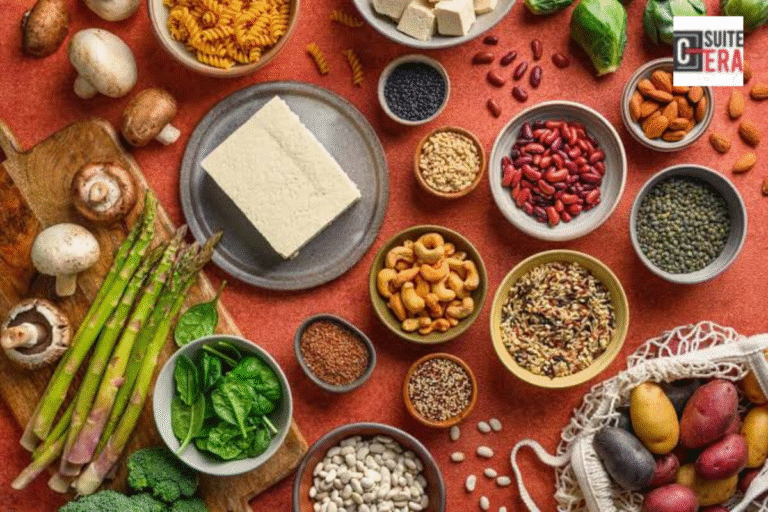


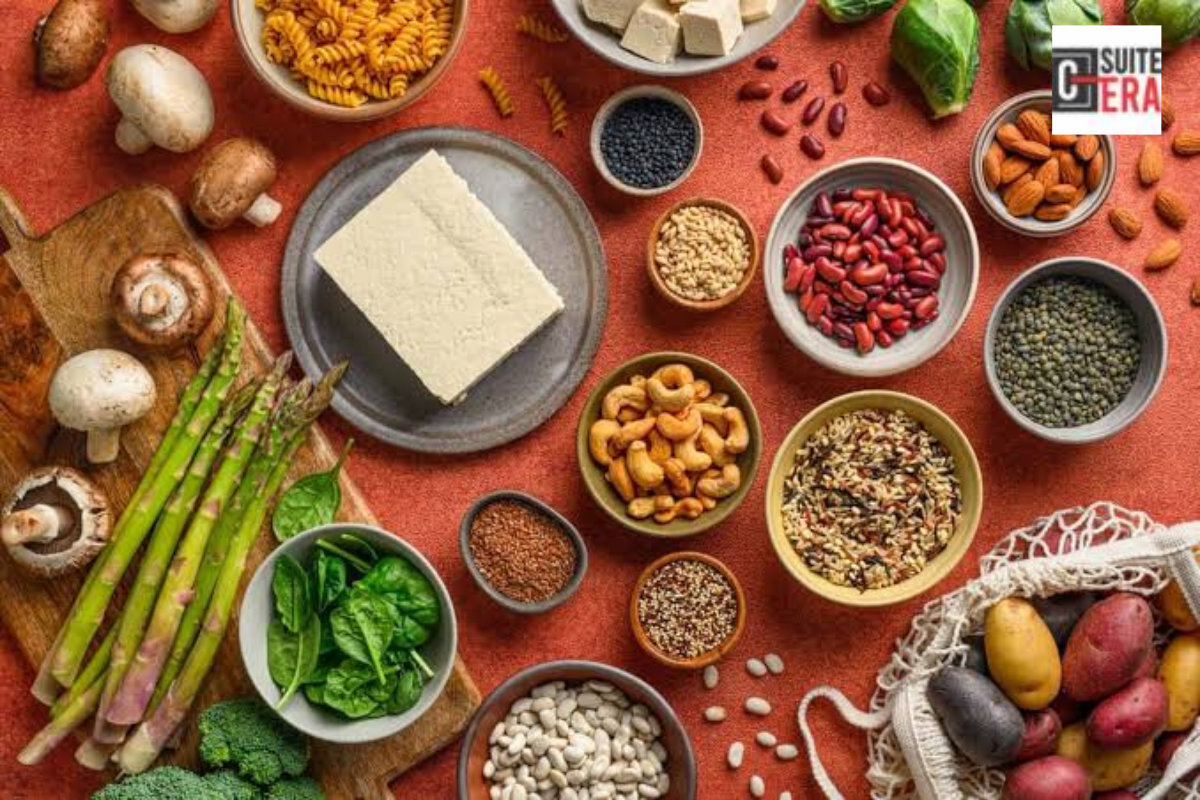
The best protein sources for vegans are becoming an important topic as more people explore plant-based diets for health, sustainability, and personal lifestyle choices. Protein plays a vital role in building and repairing muscles, supporting immune function, maintaining healthy tissues, and producing essential enzymes and hormones. While animal products are commonly associated with high protein intake, plant-based foods such as lentils, beans, tofu, tempeh, nuts, seeds, and whole grains can provide substantial amounts of this essential nutrient. With thoughtful meal planning and a varied diet, vegans can meet their daily protein requirements without relying on meat, eggs, or dairy products.
Why Protein Matters in a Vegan Diet?
Protein is made up of amino acids, which the body uses to maintain and repair tissues and support numerous biological processes. Nine amino acids are considered essential because the body cannot produce them in sufficient quantities and must obtain them through food.
For people following a vegan diet, understanding protein quality and variety can help ensure adequate nutrition. Some plant foods contain all nine essential amino acids, while others have lower amounts of particular amino acids. Eating a varied selection of plant-based foods throughout the day helps provide the amino acids the body needs.
Protein requirements differ according to age, body weight, activity level, health status, and individual goals. For generally healthy adults, a commonly used baseline recommendation is approximately 0.8 grams of protein per kilogram of body weight daily, although people who exercise regularly or have specific nutritional needs may require more.
The goal is not simply to consume protein but to establish balanced eating habits that provide sufficient energy, fibre, vitamins, minerals, and other essential nutrients.
Top 10 Best Protein Sources for Vegans
Several plant-based foods offer impressive amounts of protein while providing additional nutritional benefits. The following options can be incorporated into everyday meals, snacks, and post-workout dishes.
| Vegan Protein Source | Approximate Protein Content |
| Seitan | 20–25 g per 100 g |
| Tempeh | 19–20 g per 100 g |
| Soy chunks, dry | 50–53 g per 100 g |
| Tofu | 8–17 g per 100 g |
| Lentils, cooked | 9 g per 100 g |
| Chickpeas, cooked | 8–9 g per 100 g |
| Black beans, cooked | 8–9 g per 100 g |
| Edamame, cooked | 11–12 g per 100 g |
| Pumpkin seeds | 29–30 g per 100 g |
| Peanuts | 25–26 g per 100 g |
Values are approximate and vary by variety, brand, preparation method, and moisture content. Dry soy chunks have a much higher protein concentration than the same food after soaking and cooking.
1. Lentils: An Everyday Plant-Based Protein Source
Lentils are among the most practical and affordable protein sources for vegans. Available in red, green, brown, and black varieties, they are widely used in soups, stews, salads, and traditional dishes.
One hundred grams of cooked lentils provides approximately 9 grams of protein, along with dietary fibre, folate, iron, and other nutrients. Their fibre content supports digestive health and can help promote feelings of fullness.
Lentils are particularly useful because they can be included in several meals without requiring expensive ingredients. Red lentils cook quickly and work well in soups and dals, while green and brown lentils retain their shape in salads and grain bowls.
For a balanced meal, combine lentils with rice, whole-wheat roti, vegetables, and a source of healthy fats. This combination supplies a range of nutrients and makes it easier to build a satisfying plant-based diet.it is the one of the best Protein Sources for Vegans
2. Soy Chunks: A High-Protein Vegan Food
Soy chunks are one of the most protein-dense plant foods available in many Indian kitchens. Made from defatted soy flour, they are particularly useful for people looking to increase their protein intake without consuming large quantities of food.
Dry soy chunks commonly contain around 50–53 grams of protein per 100 grams, although the exact amount depends on the product. Their protein content per 100 grams decreases substantially after soaking and cooking because they absorb water.
Soy chunks can be used in curries, pulao, biryani, wraps, stir-fries, and vegetable dishes. Their texture makes them a practical substitute for meat in many recipes.
They also provide useful amounts of iron and other nutrients. Because soy is a complete protein, it supplies all nine essential amino acids.
For those seeking affordable, accessible vegan protein, soy chunks offer one of the most convenient options, especially when prepared with vegetables and whole grains.
3. Tofu: A Versatile Source of Complete Protein
Tofu is made from soybeans and is widely used in plant-based cooking. Its mild flavour allows it to absorb marinades, spices, and sauces, making it suitable for both traditional Indian recipes and international dishes.
Depending on the variety, tofu provides approximately 8–17 grams of protein per 100 grams. Firm tofu generally contains more protein per serving than silken tofu because it has less water.
Tofu can be grilled, roasted, scrambled, stir-fried, or added to curries. It works particularly well in dishes that traditionally use paneer, making it a useful alternative for people avoiding dairy products.
In addition to protein, tofu may provide calcium when made with calcium salts. The nutritional value depends on the manufacturing process, so checking the product label can help when choosing tofu for specific dietary needs.
Its combination of versatility, protein quality, and relatively simple preparation makes tofu one of the best protein sources for vegans. it is the one of the Protein Sources for Vegans
4. Chickpeas: Protein, Fibre, and Everyday Nutrition
Chickpeas are a nutritious legume commonly used in Indian, Mediterranean, and Middle Eastern cuisines. They provide approximately 8–9 grams of protein per 100 grams when cooked.
They are also a source of fibre, folate, iron, and complex carbohydrates. This combination makes chickpeas useful for meals that need to provide sustained energy as well as protein.
Popular preparations include chana masala, hummus, roasted chickpeas, salads, and vegetable wraps. Chickpea flour, also known as besan, can be used to prepare chillas, pancakes, and savoury snacks.
Pairing chickpeas with whole grains, vegetables, and healthy fats can create balanced meals that support overall nutrition.
For people following a vegan diet, chickpeas are an accessible ingredient that can contribute meaningfully to daily protein intake while adding variety to meals.
5. Tempeh: A Protein-Rich Fermented Soy Food
Tempeh is a traditional Indonesian food made by fermenting soybeans. It has a firm texture and a distinctive flavour that works well in savoury dishes.
A 100-gram serving typically provides around 19–20 grams of protein, making tempeh a concentrated source of plant-based nutrition. It also contains fibre and minerals, although the precise nutritional profile varies by preparation.
Fermentation changes the structure of soybeans and can affect the digestibility and availability of certain nutrients. However, individual digestive responses vary, and tempeh should be viewed as one option within a varied diet rather than a necessary food.
Tempeh can be marinated, grilled, baked, or added to curries and stir-fries. Its firm texture makes it particularly suitable for meals that require a substantial protein component.
Although tempeh may be less readily available than tofu or soy chunks in some Indian markets, it can be a valuable addition to a diverse vegan menu.Protein Sources for Vegans
6. Beans: Affordable Protein for Balanced Meals
Kidney beans, black beans, black-eyed peas, and other legumes can contribute substantial amounts of protein to a vegan diet.
Cooked beans generally provide around 7–9 grams of protein per 100 grams, depending on the variety. They also contain dietary fibre, complex carbohydrates, folate, potassium, and other nutrients.
Rajma chawal is a familiar example of a meal combining beans with rice. Other options include bean salads, soups, burrito bowls, and vegetable stews.
Dried beans should be prepared safely. Kidney beans, in particular, must be soaked and boiled thoroughly according to food-safety guidance because undercooked kidney beans can contain harmful levels of naturally occurring lectins.
Regularly including different types of beans can improve dietary variety and help meet protein needs without depending on expensive speciality products.
7. Edamame: Young Soybeans With Complete Protein
Edamame consists of young soybeans harvested before they fully mature. These green beans are a convenient source of protein and can be eaten as a snack or incorporated into larger meals.
A 100-gram serving of cooked, shelled edamame typically provides around 11–12 grams of protein. It also supplies fibre, folate, and other micronutrients.
Like tofu and tempeh, edamame contains all nine essential amino acids. Its combination of protein and fibre makes it a useful addition to meals for people with active lifestyles.
Edamame can be added to salads, grain bowls, noodles, and stir-fries. Frozen edamame is often convenient because it can be prepared quickly.
Although it may not be as common in every Indian grocery store, it offers another way to incorporate soy-based protein into a varied vegan diet.
8. Nuts and Seeds: Small Foods With Nutritional Benefits
Nuts and seeds provide protein alongside healthy fats, minerals, and other beneficial nutrients. Peanuts, almonds, pumpkin seeds, chia seeds, hemp seeds, and sunflower seeds can all contribute to daily protein intake.
Pumpkin seeds contain approximately 29–30 grams of protein per 100 grams, while peanuts provide around 25–26 grams. However, these foods are energy-dense, so typical servings are much smaller than 100 grams.
For example, a 30-gram serving of peanuts provides approximately 7–8 grams of protein. The same serving size of pumpkin seeds provides roughly 9 grams.
Nuts and seeds can be added to oatmeal, smoothies, salads, homemade energy snacks, and vegetable dishes. Nut butters also offer a convenient option for breakfasts and snacks.
They should complement rather than replace more concentrated protein sources such as lentils, tofu, beans, and soy chunks when the goal is to meet a higher daily protein target.
9. Seitan: A High-Protein Alternative Made From Wheat
Seitan is made primarily from wheat gluten, the protein component of wheat. It has a dense, chewy texture that makes it a popular meat substitute in many plant-based diets.
Depending on the product and preparation, seitan typically provides around 20–25 grams of protein per 100 grams. This makes it one of the more concentrated protein sources among prepared plant-based foods.
Seitan can be grilled, roasted, sliced into sandwiches, or used in stir-fries and curries. Its mild flavour allows it to absorb spices and marinades.
However, seitan is not suitable for people with coeliac disease or those who need to avoid gluten. It is also relatively low in certain essential amino acids compared with some other protein sources, so dietary variety remains important.
For people who tolerate gluten, seitan can add variety and provide substantial protein without relying on soy-based foods.
10. Quinoa and Whole Grains: Supporting a Balanced Vegan Diet
Whole grains are valuable components of plant-based meals, even though many contain less protein per serving than legumes or concentrated soy products. Protein Sources for Vegans
Cooked quinoa provides approximately 4–5 grams of protein per 100 grams and contains all nine essential amino acids. Oats, whole-wheat products, brown rice, and other grains also contribute protein alongside carbohydrates, fibre, and micronutrients.
Quinoa can be used in salads, grain bowls, and breakfast dishes. Oats work well in porridge and overnight breakfasts, while whole-wheat roti and brown rice can accompany protein-rich dals and beans.
Combining grains with legumes increases meal variety and helps supply complementary amino acids over the course of the day.
Whole grains are therefore an important part of a well-planned vegan diet, even when they are not the main protein source.
How Much Protein Do Vegans Need Every Day?
Daily protein requirements depend on body weight, age, physical activity, and individual circumstances. For generally healthy adults, approximately 0.8 grams of protein per kilogram of body weight per day is a commonly used baseline.
For example, an adult weighing 60 kilograms would have a baseline target of approximately 48 grams of protein daily.
People who undertake regular strength training, endurance exercise, or demanding physical activity may benefit from higher intakes, depending on their training and goals. Older adults and people with certain health conditions may also have different requirements.
Protein needs should be assessed in the context of overall energy intake and the quality of the entire diet. Anyone with kidney disease or another condition requiring dietary protein management should seek individual advice from a qualified healthcare professional.
Sample High-Protein Vegan Meal Plan
A varied daily menu can help distribute protein across breakfast, lunch, dinner, and snacks.
| Meal | Example | Approximate Protein |
| Breakfast | Oats with soy milk, chia seeds, and peanut butter | 15–20 g |
| Mid-morning snack | Roasted chickpeas | 6–8 g |
| Lunch | Dal, whole-wheat roti, and vegetables | 15–20 g |
| Evening snack | Peanuts or pumpkin seeds | 6–9 g |
| Dinner | Soy chunks curry with rice and vegetables | 20–25 g |
| Daily total | 62–82 g |
These figures are illustrative estimates. Actual protein intake depends on portion sizes, recipes, and product labels. The menu may be adjusted to suit individual energy and nutritional needs.
Common Mistakes to Avoid When Choosing Protein Sources for Vegans
A well-planned vegan diet can provide adequate protein, but several common mistakes can make it harder to meet nutritional needs.
1. Relying on only one food:
Eating a variety of legumes, soy products, grains, nuts, and seeds improves nutritional diversity and helps supply essential amino acids.
2. Underestimating portion sizes:
A small serving of nuts or beans contributes protein, but it may not provide enough on its own to meet a high daily target. Reviewing portions and food labels can help.
3. Confusing dry and cooked weights:
Dry soy chunks, lentils, and beans contain less water than their cooked counterparts. Protein values must be compared using the same weight basis.
4. Ignoring total calorie intake:
People who eat too little overall may struggle to obtain sufficient protein and other nutrients, especially when physically active.
5. Overlooking other nutrients:
Protein Sources for Vegans is important, but a vegan diet also requires attention to vitamin B12, iron, calcium, iodine, vitamin D, zinc, and omega-3 fatty acids. Vitamin B12 is particularly important because reliable natural sources are limited in unfortified plant foods.
Conclusion: Choosing the Best Protein Sources for Vegans
The best protein sources for vegans include soy chunks, tofu, tempeh, lentils, chickpeas, beans, edamame, seitan, nuts, seeds, and whole grains. Each offers a different combination of protein, fibre, minerals, and other nutrients, making variety an important part of a balanced plant-based diet.
For Protein Sources for Vegans people seeking affordable everyday options, lentils, chickpeas, beans, and soy chunks are practical choices. Tofu and tempeh offer versatile sources of complete protein, while nuts, seeds, and whole grains provide additional nutritional benefits.
Ultimately, meeting protein requirements on a vegan diet does not depend on a single superfood. It depends on eating enough overall, choosing a range of nutrient-rich foods, and planning meals around individual needs. With informed food choices and a balanced approach to nutrition, a vegan lifestyle can support strength, energy, and long-term well-being.
Also Read :- C Suite Era Magazine for more information