
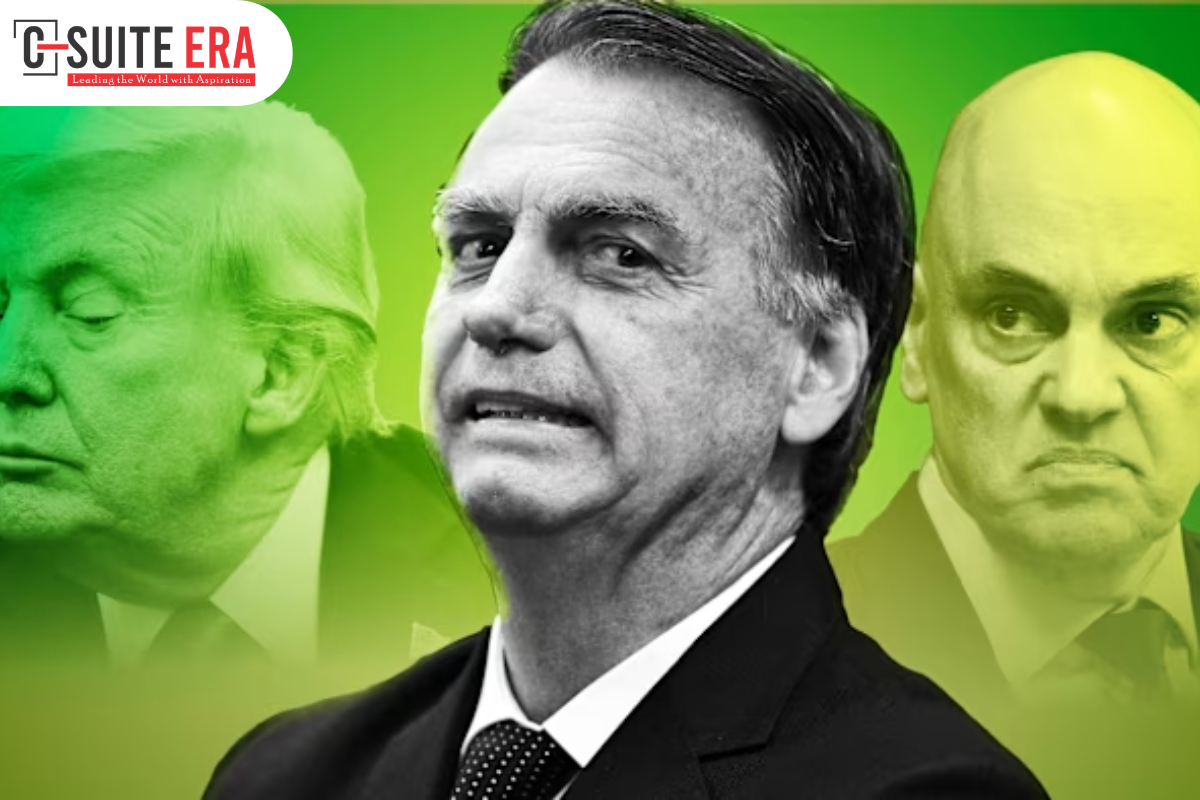
1. Brazilian Senator Takes Trade Dispute Directly to Washington
A growing trade dispute between the United States and Brazil is set to take center stage in Washington as Brazilian Senator prepares to testify against proposed U.S. tariffs that could significantly affect trade between the two nations.
According to Reuters, Flávio Bolsonaro, the son of former Brazilian President , plans to appear before U.S. policymakers to argue against new tariff measures under consideration by American authorities. The proposed tariffs have generated concern among Brazilian exporters and political leaders who fear they could damage key sectors of Brazil’s economy and strain relations between two major trading partners.
The senator’s planned testimony comes at a sensitive moment for bilateral economic relations. Brazil remains one of the United States’ most important trading partners in Latin America, with extensive commercial ties spanning agriculture, manufacturing, mining, and energy. Any significant increase in trade barriers could affect billions of dollars in annual commerce and disrupt established supply chains.
Reuters reported that Flávio Bolsonaro intends to make the case that the proposed tariffs would harm businesses and consumers in both countries while undermining broader economic cooperation. His appearance reflects an unusual effort by a foreign lawmaker to directly influence an American policy debate with international implications.
The dispute has attracted attention not only because of its economic significance but also because of the political profile of the individuals involved. As a prominent member of Brazil’s conservative opposition and the son of a former president, Bolsonaro’s participation adds a political dimension to what might otherwise be viewed as a routine trade disagreement.
Observers note that the outcome could have implications extending beyond tariffs, potentially influencing future economic and diplomatic engagement between Washington and Brasília.
2. Trade Concerns Intensify as Businesses Warn of Economic Impact
The Flávio Bolsonaro proposed tariffs have prompted concerns among exporters, industry groups, and policymakers on both sides of the Atlantic.
Brazilian officials argue that increased tariffs could reduce the competitiveness of Brazilian products in the U.S. market, affecting industries that rely heavily on exports. Sectors such as agriculture, steel, manufacturing, and natural resources are viewed as particularly vulnerable to additional trade restrictions.
Supporters of the tariff proposal in the United States contend that the measures are necessary to address trade imbalances, protect domestic industries, or respond to broader economic and political concerns. While details regarding the scope and implementation of the tariffs continue to be debated, the prospect of new trade barriers has already generated uncertainty among businesses involved in cross-border commerce.
Reuters noted that Brazilian business leaders have increasingly voiced concern that protectionist policies could weaken economic growth and discourage investment. Many companies have spent years building commercial relationships with American customers and suppliers, making sudden changes to tariff structures potentially disruptive and costly.
Trade experts point out that modern supply chains are deeply interconnected. Products often cross international borders multiple times during manufacturing and distribution processes, meaning tariff increases can affect not only exporters but also importers, retailers, and consumers. Higher costs can ripple throughout the economy, influencing pricing decisions and business investment strategies.
The debate reflects broader global tensions regarding trade policy as governments increasingly weigh domestic economic priorities against the benefits of international market integration. Similar disputes have emerged in recent years involving a range of industries and trading partners, highlighting the challenges of balancing national interests with global economic cooperation.
For Brazil, maintaining access to major export markets remains a critical economic objective. As a result, political leaders and industry representatives have intensified efforts to persuade U.S. officials that the proposed measures would create more problems than solutions.
3. Political and Diplomatic Stakes Extend Beyond Trade
While the immediate focus is on tariffs, the dispute also carries broader diplomatic and political implications.
The United States and Brazil have historically maintained a complex relationship shaped by economic cooperation, political differences, and shared regional interests. Trade disputes have occasionally emerged, but both countries generally view strong economic ties as beneficial to long-term growth and stability.
Flávio Bolsonaro’s decision to testify in Washington underscores the importance that Brazilian leaders place on the issue. His involvement also reflects the continuing influence of the Bolsonaro political movement within Brazilian public life, even after Jair Bolsonaro left office. The senator’s appearance provides an opportunity to engage directly with American policymakers while drawing international attention to Brazil’s concerns.
Analysts suggest that the outcome of the tariff debate could influence future negotiations on trade, investment, and economic cooperation between the two countries. A resolution that avoids new barriers could help preserve stability in bilateral relations, while an escalation could lead to retaliatory measures or increased diplomatic friction.
The dispute also illustrates how trade policy has become increasingly intertwined with politics. Economic decisions that once remained largely within the domain of trade officials now often attract attention from lawmakers, political leaders, and advocacy groups seeking to shape outcomes with significant domestic and international consequences.
As hearings and discussions continue in Washington, businesses and policymakers in both countries will be watching closely. The final decision on the proposed tariffs could affect trade flows, investment confidence, and diplomatic relations for years to come.
For Brazil, the effort represents a high-profile attempt to defend its economic interests on the international stage. For the United States, it highlights the ongoing challenge of balancing domestic policy objectives with the realities of an interconnected global economy.
Whether Flávio Bolsonaro’s testimony succeeds in influencing the debate remains uncertain, but the dispute has already become a notable example of how international trade issues increasingly transcend borders, drawing political leaders directly into battles over economic policy and global commerce.
Also Read :- C Suite Era magazine for More information