
1. General Motors Reportedly Looks to Exit Indiana Battery Joint Venture
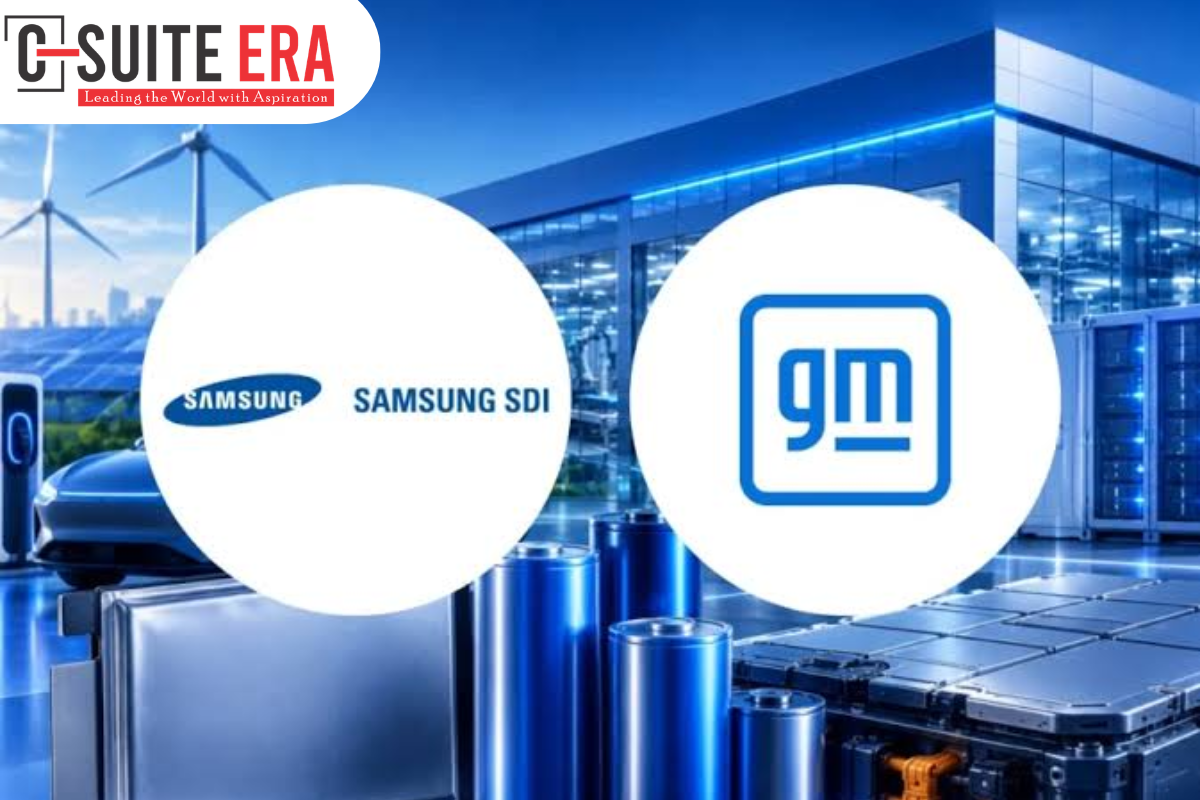
General Motors (GM) is planning to sell its 50% stake in its planned electric vehicle battery manufacturing joint venture in Indiana to its partner Samsung SDI, according to a media report.
According to Reuters, Samsung SDI is expected to acquire GM’s share of the project, take full ownership of the planned battery manufacturing facility in New Carlisle, Indiana, and purchase the 680-acre site where the factory is being developed.
The battery plant, originally announced as a $3.5 billion joint investment, was expected to begin mass production in 2027 with an annual production capacity of approximately 27 gigawatt-hours (GWh). The facility was designed to manufacture advanced batteries for next-generation electric vehicles.
Neither GM nor Samsung SDI immediately commented on the reported transaction.
2. Slower EV Demand Reshapes Investment Plans
The reported move reflects changing conditions in the electric vehicle market, where several automakers have adjusted production plans amid softer-than-expected consumer demand.
According to Reuters, construction at the Indiana battery plant had already slowed earlier this year as manufacturers reassessed investment timelines following weaker EV sales and the expiration of the U.S. federal $7,500 electric vehicle tax credit. While automakers continue investing in electrification, many have reduced production targets to better align with market demand.
General Motors has recently been refining its battery manufacturing strategy. Earlier this year, the company also announced changes to another battery facility in Tennessee, where production plans were shifted toward manufacturing batteries for energy storage systems rather than solely for electric vehicles.
For Samsung SDI, assuming full ownership of the Indiana project would strengthen its manufacturing footprint in North America and provide greater control over one of its largest overseas battery investments.
3. Battery Industry Continues to Adapt
The reported transaction highlights how battery manufacturers and automakers are adapting their long-term strategies as the EV market evolves.
Although demand for electric vehicles continues to grow over the long term, the pace of adoption has slowed in several key markets, prompting companies to reassess production capacity, investment schedules, and capital allocation. Industry participants are increasingly prioritizing operational flexibility while continuing to prepare for future growth in battery demand.
According to Reuters, if completed, the sale would transfer ownership of the Indiana battery facility entirely to Samsung SDI, while allowing GM to redirect capital toward other strategic priorities within its electric vehicle business.
The development underscores the ongoing transformation of the global EV supply chain, where manufacturers are balancing ambitious electrification goals with changing market conditions. As investment strategies continue to evolve, partnerships and ownership structures across the battery industry are expected to remain dynamic in response to demand, policy changes, and technological advancements.
Also Read :-Best EV Stocks for 2026: 10 Electric Vehicle Companies to Watch