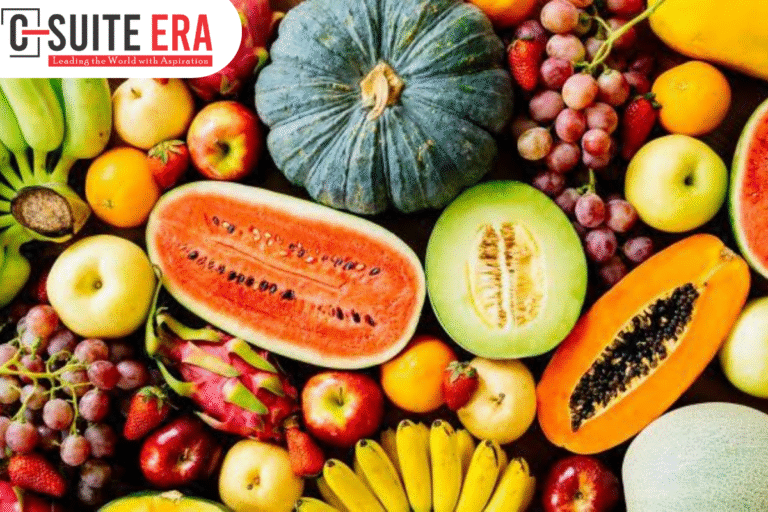



Fruit is usually associated with freshness, nutrition, and everyday meals. However, some varieties command extraordinary prices because of their rarity, cultivation methods, appearance, flavor, and cultural value. The Most Expensive Fruits in the World are often treated as luxury products rather than ordinary groceries. From perfectly shaped Japanese melons to rare varieties of grapes and strawberries, these fruits demonstrate how agriculture can enter the world of premium luxury.
What Makes the Most Expensive Fruits in the World So Valuable?
The Most Expensive Fruits in the World usually share several characteristics. Farmers may carefully control temperature, humidity, sunlight, irrigation, and pollination throughout the growing process. Some fruits also undergo strict selection, with only the finest specimens reaching the premium market.
Packaging and presentation can further increase their value. In Japan, for example, premium fruits are sometimes given as prestigious gifts, making appearance and perfection almost as important as taste.
1. Yubari King Melon
Yubari King melons are among the world’s most famous luxury fruits. They are grown in Yubari, Hokkaido, Japan, and are prized for their sweetness, aroma, texture, and exceptionally uniform appearance.
Premium pairs are particularly valuable at auctions. In some years, pairs have sold for millions of yen, although such auction prices represent exceptional examples rather than normal retail prices.
2. Ruby Roman Grapes
Ruby Roman grapes are grown in Ishikawa Prefecture, Japan. Their large size, distinctive red color, sweetness, and carefully controlled quality standards have made them a luxury fruit.
Each bunch must meet strict standards before it can be marketed under the Ruby Roman name. Exceptional bunches can reach remarkably high auction prices.
3. Densuke Watermelon
Densuke watermelons are another Japanese specialty associated with premium fruit culture.
Grown on Hokkaido’s northern island, these watermelons are recognized for their dark exterior and crisp, sweet interior. Their limited production and carefully selected quality make them considerably more expensive than ordinary watermelons.
4. Taiyo no Tamago Mangoes
Taiyo no Tamago, meaning “Eggs of the Sun,” is a premium mango brand from Miyazaki, Japan.
The mangoes must satisfy demanding standards involving weight, sugar content, and the proportion of fruit covered by red skin. The strict grading system contributes to their premium reputation.
5. Sembikiya Queen Strawberries
Japan is famous for its premium strawberry varieties, and Sembikiya is one of the country’s historic fruit retailers.
High-end strawberries are selected for size, color, sweetness, shape, and uniformity. They are frequently presented in carefully arranged boxes, turning a simple fruit into an elegant gift.
6. White Jewel Strawberries
White strawberries attract attention because of their unusual appearance. Varieties such as White Jewel are cultivated for their pale exterior and distinctive flavor.
Their unusual color, limited production, and premium presentation allow them to occupy the luxury-fruit segment.
7. Sekai-Ichi Apples
Sekai-Ichi apples are known for their impressive size and carefully maintained appearance.
The name translates roughly to “world’s number one,” reflecting the reputation attached to this premium Japanese apple. Individual fruits can be considerably larger than typical apples and are often cultivated and presented as luxury produce.
Why Japan Dominates the Luxury Fruit Market?
Japan appears repeatedly among the world’s most expensive fruit producers. One reason is the country’s distinctive culture surrounding premium produce.
Fruit can serve as a formal gift, particularly during important occasions. As a result, consumers may place considerable value on presentation, symmetry, size, rarity, and flawless appearance.
Farmers respond by using highly controlled cultivation techniques and rigorous grading systems. This creates a market where a small number of exceptional fruits can command prices far above ordinary produce.
Are These Fruits Always Expensive?
Not necessarily.
There is an important difference between auction prices and everyday retail prices. A headline-making auction may involve a specially selected fruit or fruit box purchased as a symbolic or promotional item. That price does not necessarily represent what consumers normally pay.
For this reason, claims about the “most expensive fruit” should be interpreted carefully. Luxury fruit pricing can vary significantly depending on season, quality, location, retailer, and auction conditions.
The Luxury Behind Ordinary Agriculture
The Most Expensive Fruits in the World demonstrate how quality, scarcity, craftsmanship, and cultural significance can transform agricultural products into luxury goods.
These fruits are not necessarily valuable because they are nutritionally superior to ordinary varieties. Their appeal often comes from rarity, exceptional cultivation, visual perfection, and the experience associated with owning or gifting them.
Conclusion
The Most Expensive Fruits in the World offer a fascinating glimpse into the intersection of agriculture and luxury. Yubari King melons, Ruby Roman grapes, Densuke watermelons, premium mangoes, and specialty strawberries show how far producers can go to achieve exceptional quality and presentation.
Ultimately, their extraordinary prices tell a larger story about craftsmanship and consumer culture. A fruit that costs a few dollars in an ordinary market can become a luxury item when rarity, precision, tradition, and prestige come together.
Also Read :- Largest Hindu Temples in the World: Architectural Marvels That Define Hindu Heritage