1. New York Primaries Become a Referendum on Progressive Politics
New York City’s Mayor Zohran Mamdani is emerging as a central figure in one of the Democratic Party’s most closely watched political battles, as a series of congressional primaries test whether voters are prepared to embrace a more progressive vision for the party’s future.
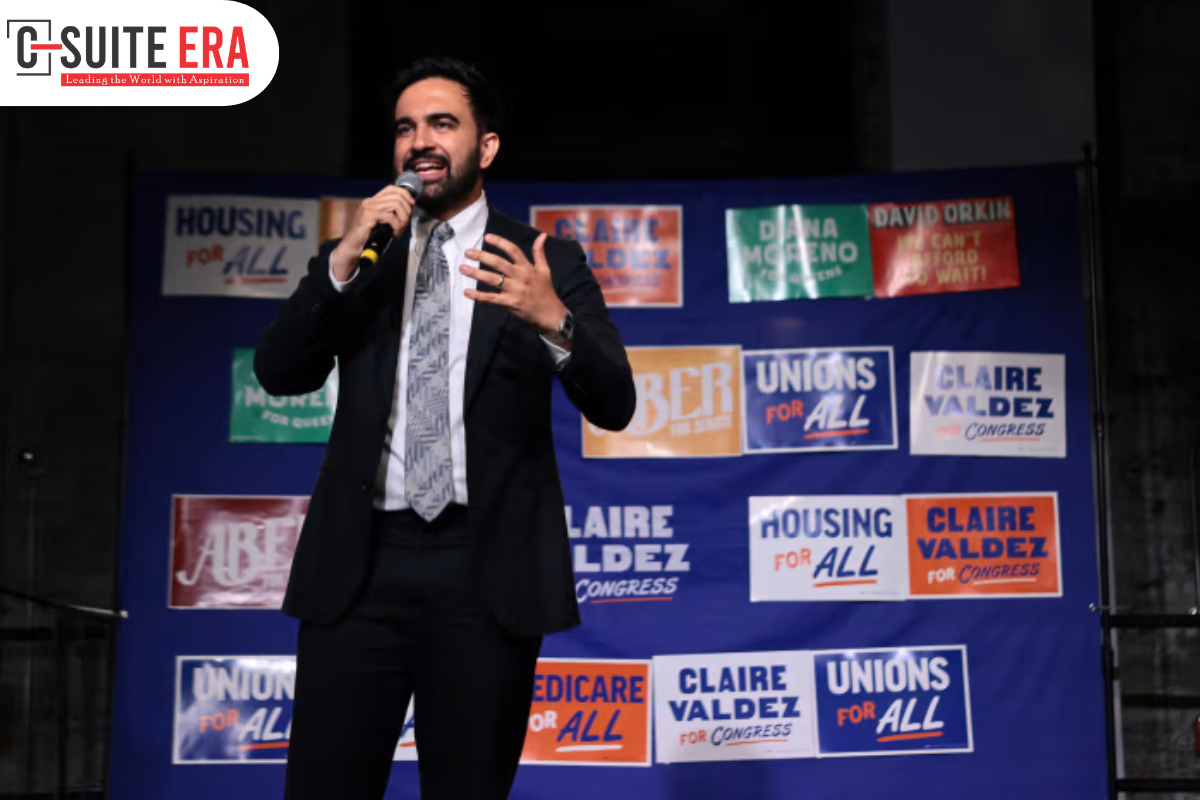
According to Reuters, Mamdani has thrown his support behind several left-wing candidates aligned with the democratic socialist movement, including Darializa Avila Chevalier, who is challenging incumbent Representative Adriano Espaillat. The endorsements are widely viewed as an attempt to expand the influence of progressive politics beyond city government and into Congress.
The primaries represent one of the first major political tests of Mamdani’s influence since taking office. His victory in the 2025 New York Primaries mayoral election energized progressive activists nationwide and renewed discussions about the role of democratic socialism within the Democratic Party. Now, attention has shifted to whether that momentum can help reshape congressional representation in heavily Democratic districts.
Mamdani’s endorsements have attracted significant national attention because they challenge established Democratic figures and institutions. His preferred candidates are campaigning on issues such as housing affordability, labor rights, healthcare access, and economic inequality—policies that resonate strongly with progressive voters but sometimes generate concern among moderates.
Political observers view these races as a broader test of whether progressive candidates can translate grassroots enthusiasm into electoral success beyond local government positions. The outcomes may influence Democratic strategies heading into future congressional and presidential elections.
2. Party Leaders Balance Progressive Energy Against Electoral Pragmatism
The contests have also highlighted ongoing tensions within the Democratic Party regarding how best to compete nationally.
While progressive activists argue that bold economic policies can energize voters and expand participation, many New York Primaries party leaders remain focused on winning competitive districts where moderate and independent voters often determine election outcomes. Reuters reported that prominent Democrats, including House Democratic Leader Hakeem Jeffries and Senate Democratic Leader Chuck Schumer, have generally been cautious about fully embracing the party’s left wing.
The debate reflects a larger strategic question confronting Democrats nationwide. With Republicans maintaining a narrow House majority, many party strategists argue that regaining congressional control depends on winning suburban and swing districts rather than deep-blue urban strongholds. As a result, some Democratic leaders worry that candidates perceived as too far left could provide political ammunition for Republican opponents.
Particular attention has focused on Avila Chevalier,New York Primaries whose past social media posts have generated controversy and criticism from centrist Democrats. Critics argue that such issues could distract from broader policy discussions and complicate efforts to appeal to a wider electorate. Supporters, however, contend that the backlash reflects resistance to new voices and transformative policy ideas within the party.
The ideological divide has become increasingly visible since the 2024 and 2025 election cycles, with progressive groups seeking greater influence over candidate recruitment, party priorities, and legislative agendas. New York’s primaries have therefore become more than local races—they are increasingly viewed as a proxy battle over the Democratic Party’s future direction.
3. Results Could Shape the Democratic Party’s National Roadmap
The significance of the primaries extends well beyond New York.
Political analysts suggest that strong performances by Mamdani-backed candidates could encourage progressive organizations to challenge more incumbents across the country and invest further resources in advancing left-leaning candidates. Success would also strengthen Mamdani’s standing as one of the most influential progressive leaders in American politics.
Conversely, defeats could reinforce arguments from moderates that progressive victories in heavily Democratic districts do not necessarily provide a model for winning elections in more competitive states and congressional battlegrounds. Many strategists caution against assuming that political dynamics in New York Primaries City can be replicated nationally.
The races are unfolding at a time when many Democratic voters remain frustrated by economic pressures, housing costs, healthcare affordability, and foreign policy debates. Progressive candidates have sought to capitalize on those concerns by presenting themselves as alternatives to traditional party leadership. Their campaigns have been particularly successful at mobilizing younger voters and grassroots activists.
For Mamdani, the primaries represent an opportunity to demonstrate that his political movement extends beyond municipal governance. His endorsements signal an effort to build a broader coalition capable of influencing state and federal politics, not just city hall. Whether voters embrace that vision remains one of the most important questions facing Democrats in 2026.
As ballots are counted, party leaders across the country will be watching closely. The results could provide valuable insight into whether Democratic voters are seeking a more progressive future or whether the party’s path back to national power will continue to depend on a more centrist approach.
The outcome may not determine the Democratic Party’s future on its own, but it is likely to offer one of the clearest indicators yet of how much influence the progressive movement holds within the party—and how far voters are willing to follow it.
Also Read : C SUIT ERA Magazine for more information