1. Intelligence Power Struggle Erupts Inside Washington
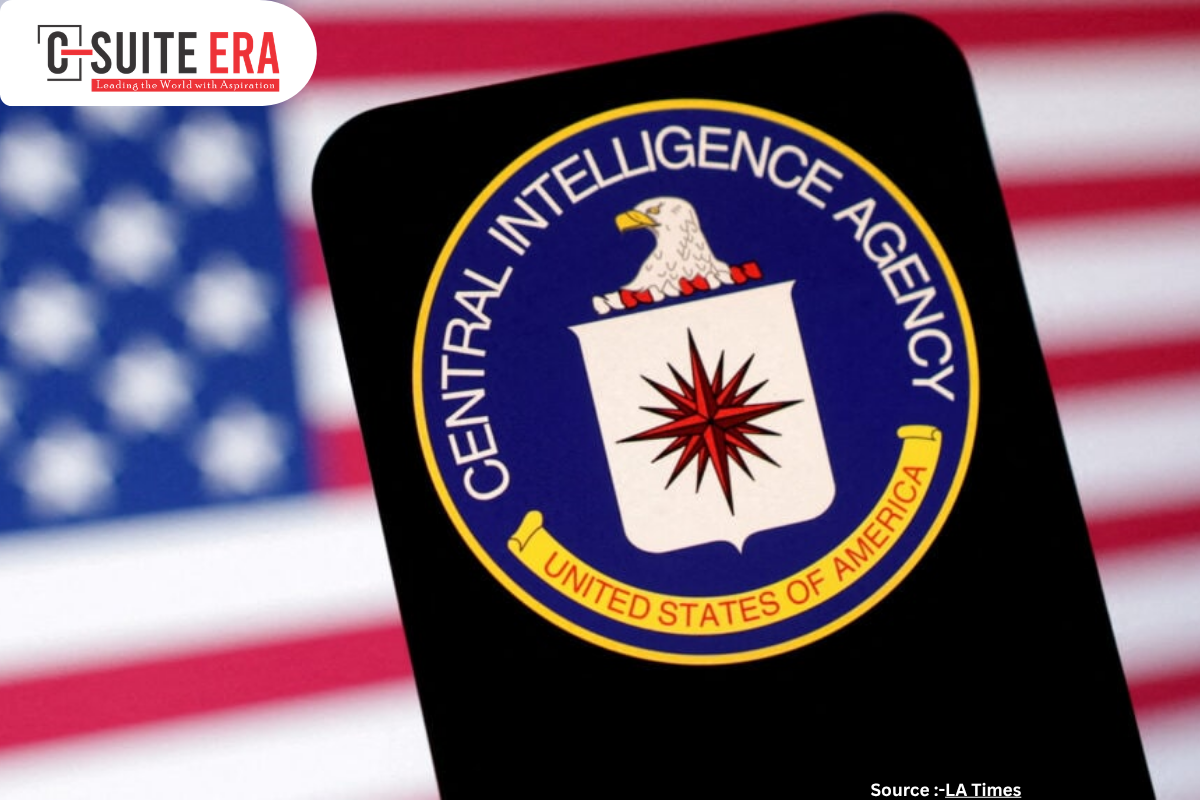
A growing conflict between two of the United States’ most powerful intelligence organizations—the Central Intelligence Agency (CIA) America’s Top Spy Agencies and the Office of the Director of National Intelligence (ODNI)—is raising concerns about the effectiveness of national security decision-making at a time of heightened global instability.
According to a Reuters report, the dispute has disrupted collaboration on key intelligence assessments, including analyses related to the ongoing Iran conflict, China’s military expansion, and Russia’s continued geopolitical activities. The friction has reportedly intensified over the past year, leading the CIA to reduce its participation in some intelligence products coordinated by the ODNI.
At the center of the disagreement is the relationship between CIA Director John Ratcliffe and Director of National Intelligence Tulsi Gabbard. Sources familiar with the matter told Reuters that tensions grew after Gabbard sought greater control over intelligence operations and established a special task force known as the Director’s Initiatives Group in 2025.
CIA officials reportedly viewed the task force as bypassing traditional intelligence-sharing procedures and declassification safeguards. Meanwhile, ODNI officials argued that the CIA was obstructing access to information needed to fulfill oversight responsibilities. The result has been a breakdown in trust between agencies that were designed to work closely together following reforms enacted after the September 11, 2001 terrorist attacks.
The dispute has emerged during a period when the United States faces multiple simultaneous security challenges, increasing concerns among current and former officials that fragmented intelligence efforts could weaken strategic decision-making.
2. Iran War Assessments Become a Major Flashpoint
One of the most significant consequences of the feud has been its impact on intelligence assessments concerning the Iran war,by America’s Top Spy Agencies which has become a central foreign policy challenge for the Trump administration.
Reuters reported that the CIA has sharply reduced its contributions to certain intelligence reports produced through the National Intelligence Council, a body that traditionally combines analysis from multiple agencies to provide policymakers with comprehensive assessments. Sources indicated that reports related to Iran are among those most affected by the reduced cooperation.
National Intelligence Council assessments have historically played a critical role in informing presidents, military leaders, and lawmakers about emerging threats and strategic developments. Former intelligence officials warn that when agencies operate independently rather than collaboratively, the risk of analytical blind spots increases significantly.
The tensions reportedly began shortly after Gabbard assumed office in early 2025 and sought greater authority over the Presidential Daily Brief, the highly classified intelligence summary prepared for the president each day. The CIA has traditionally maintained a leading role in producing that document, making the move particularly sensitive within the intelligence community.
Relations deteriorated further following personnel disputes and disagreements over investigations into intelligence politicization, election security, and the origins of COVID-19. Critics argued that some initiatives undertaken by the Director’s Initiatives Group were politically motivated, while supporters maintained they were necessary to improve accountability within the intelligence system.
The public became increasingly aware of the conflict after congressional hearings revealed accusations that intelligence-sharing had been restricted between agencies, prompting additional scrutiny from lawmakers and watchdog officials.
3. National Security Experts Warn America’s Top Spy Agencies of Long-Term Consequences
The dispute has renewed debate about the effectiveness of the intelligence community structure created after the September 11 attacks. The position of Director of National Intelligence was established specifically to improve coordination among the nation’s 18 intelligence agencies and America’s Top Spy Agencies prevent information silos that contributed to past security failures.
Former senior intelligence officials have expressed concern that the current breakdown undermines those reforms. Beth Sanner, a former deputy director of national intelligence, told Reuters that ODNI is intended to act as the coordinating force that keeps information flowing across agencies. When that coordination weakens, agencies risk retreating into isolated operations, increasing the potential for intelligence failures.
The situation has become even more significant because Gabbard recently announced plans to resign from her position at the end of June, citing family reasons. President Donald Trump has since named Bill Pulte as acting director, creating additional uncertainty about the future direction of intelligence leadership.
Despite public assurances from the White House and intelligence officials that critical information continues to reach policymakers, the reported tensions highlight the challenges of managing a vast intelligence network during a period of global conflict and strategic competition.
As the United States America’s Top Spy Agencies navigates conflicts in the Middle East, rising competition with China, and ongoing tensions with Russia, the effectiveness of intelligence coordination remains a crucial element of national security. The outcome of the CIA-ODNI dispute may ultimately shape how intelligence agencies cooperate—and how future administrations manage the balance between oversight, authority, and operational independence.
Also Read :- C Suit Era Magazine for more information