Uptake Grows for Revolutionary HIV Prevention Injection
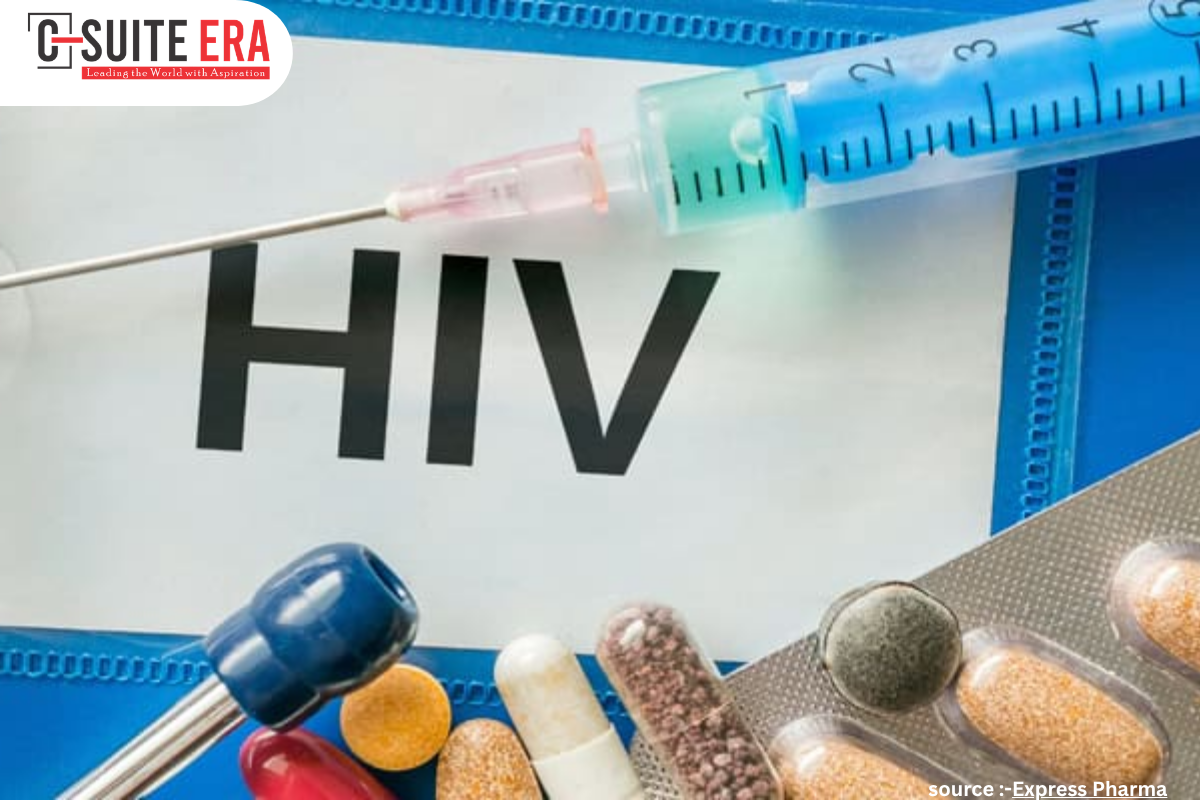
A new HIV prevention injection developed by Gilead Sciences is gaining traction across the United States, signaling a potential shift in how pre-exposure prophylaxis (PrEP) is delivered. The drug, marketed as Yeztugo, is a twice-yearly injectable treatment designed to prevent HIV infection in at-risk individuals.
Since its launch, the treatment has seen measurable uptake, with more than 9,000 prescriptions recorded in the first quarter of 2026. The injection has demonstrated near-total effectiveness in preventing HIV in clinical use, positioning it as a significant advancement over traditional daily oral medications.
Healthcare providers note that the convenience of twice-yearly dosing could improve adherence compared to daily pills such as Descovy or generic versions of Truvada, which require consistent usage to remain effective. The innovation is particularly relevant in addressing long-standing challenges around missed doses and inconsistent compliance among patients.
Despite this progress, overall adoption remains modest when viewed against the broader eligible population. The Centers for Disease Control and Prevention estimates that around 2.2 million Americans could benefit from PrEP, yet only about 600,000 are currently using any form of preventive medication.
This gap highlights that while medical innovation is advancing, widespread utilization remains a challenge.
High Costs and Insurance Complexity Create Access Barriers
The primary obstacle to broader adoption of the new injection lies in its cost and inconsistent insurance coverage. Yeztugo carries a list price exceeding $14,000 per dose, making it significantly more expensive than daily generic alternatives, which can cost a few hundred dollars annually.
Although Gilead has stated that over 90% of insurers provide some level of coverage, the reality for patients is more complex. In many cases, the drug is classified under medical benefits rather than pharmacy benefits. This distinction often requires healthcare providers to purchase and administer the drug directly, leading to additional cost-sharing, deductibles, or reimbursement limitations for patients.
Healthcare providers report that these financial uncertainties are slowing adoption. Some clinics have expressed hesitation in offering the injection widely due to reimbursement risks, while telehealth providers have delayed rollout until insurance coverage becomes more consistent.
In certain cases, insurers reimburse significantly less than the drug’s acquisition cost, creating financial strain for providers. This misalignment between pricing and reimbursement has emerged as a key bottleneck in scaling access.
Additionally, federal preventive care guidelines have not yet been updated to include the new injection, meaning it does not universally qualify for zero-cost coverage under existing healthcare frameworks. As a result, patient out-of-pocket costs vary widely depending on individual insurance plans.
HIV Prevention Patient Preferences and Market Dynamics Shape Future Outlook
Beyond financial barriers, patient preferences are also influencing adoption patterns. While the convenience of a twice-yearly injection appeals to some, others remain hesitant due to concerns about long-acting drugs staying in the body for extended periods or potential side effects such as injection-site nodules.
Healthcare providers report that many patients still prefer daily oral medications, which offer greater flexibility and familiarity. In parallel, the rise of telehealth-based PrEP services—offering discreet, home-delivered pills—has further strengthened the appeal of oral treatments.
Despite these challenges, analysts remain optimistic about the long-term commercial and public health potential of the injection. Forecasts suggest the drug could generate more than $5 billion in annual sales by 2032, reflecting expectations of gradual adoption as insurance coverage improves and awareness increases.
From a public health perspective, the injection represents a critical tool in reducing HIV transmission rates, particularly among populations that struggle with daily medication adherence. However, bridging the gap between innovation and accessibility remains essential.
The current HIV Prevention situation underscores a broader issue within the US healthcare system: the disconnect between cutting-edge medical advancements and equitable access. As policymakers, insurers, and healthcare providers navigate these challenges, the trajectory of this breakthrough treatment will likely depend not only on clinical effectiveness but also on affordability, coverage standardization, and patient acceptance.
Also Read :- Pennsylvania Takes Landmark Legal Action Against AI Firm Over “Doctor” Chatbots