A Battle Over What Cheese Can Be Called
A U.S.-Mexico Trade Talks dispute over the names used for popular cheeses has emerged as an unexpected obstacle in U.S.-Mexico Trade Talks negotiations between the United States and Mexico.
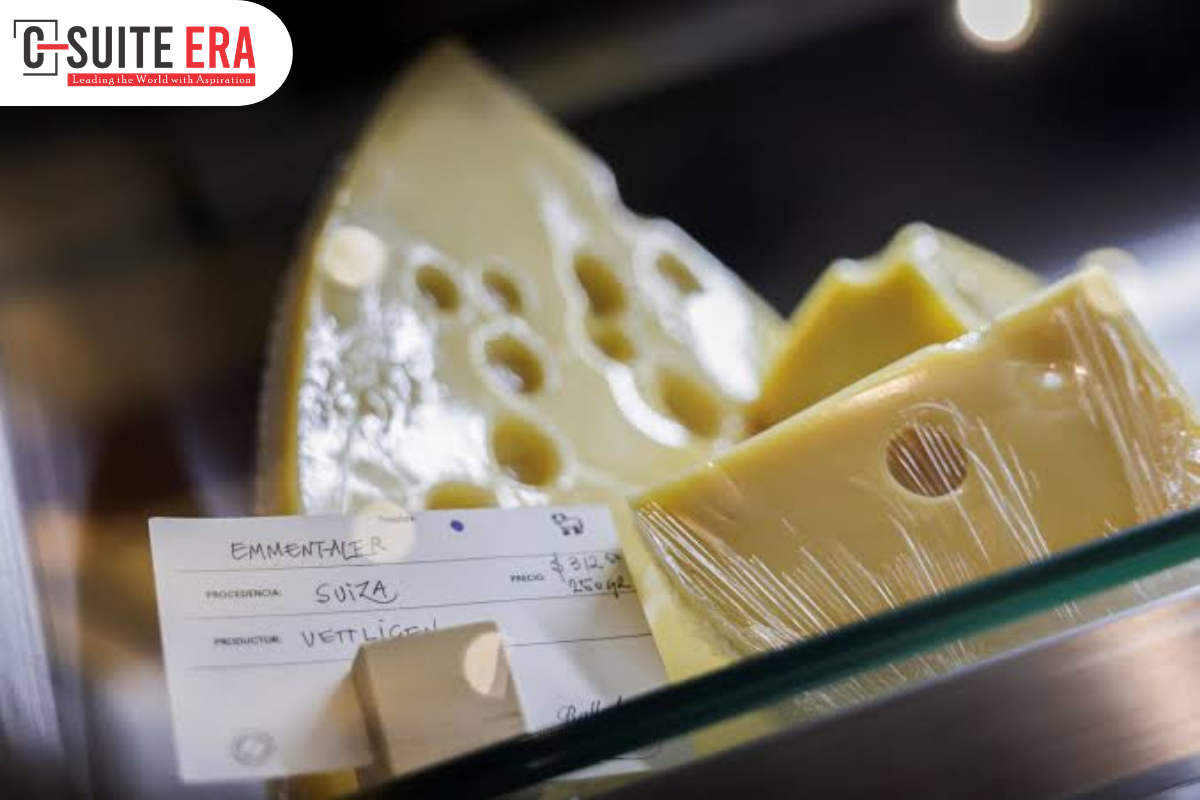
The disagreement centers on Mexico’s new trade agreement with the European Union, which provides special protection for hundreds of products associated with specific geographical regions. Among the products affected are names such as Parmigiano Reggiano, feta and manchego.
The United States argues that names such as parmesan and feta have become generic terms and should remain available for producers outside Europe to use.
European producers, however, maintain that these names are closely connected to specific regions, traditions and production methods and should receive legal protection.
U.S.-Mexico Trade Talks Faces Pressure Over Its European Trade Deal
Mexico signed its trade agreement with the European Union in May, but the agreement still requires ratification before it can take effect.
The deal would strengthen protections for European geographical indications and could limit the way certain cheese names are used in the Mexican market.
This has created concerns among U.S. dairy producers, who fear that new restrictions could affect their ability to sell products in Mexico under familiar names.
The dispute has become particularly significant because Mexico and the United States are already engaged in broader negotiations aimed at reaching an interim trade agreement, while discussions over the future of the United States-Mexico-Canada Agreement continue.
A Billion-Dollar Market Is at Stake
Mexico represents a major market for U.S. cheese producers.
The United States exports approximately $1 billion worth of cheese to Mexico each year, making the country an important destination for American dairy products.
By comparison, European Union dairy exports to Mexico are significantly smaller, totaling around $200 million.
Cheese imports have become an increasingly important part of Mexico’s food market and now account for nearly 30% of domestic cheese consumption.
The popularity of products such as grated parmesan, manchego and other imported varieties has grown alongside Mexico’s expanding restaurant and food-service industries.
For U.S. producers, restrictions on familiar product names could create additional costs and potentially weaken their position in a valuable export market.
Mass Production Meets Regional Tradition
At the center of the disagreement are two very different approaches to food production and branding.
The European model places significant value on geographical origin. A product’s name can be legally connected to the region where it is produced and to specific production traditions.
The U.S. approach generally treats many of these names as generic descriptions that can be used by producers regardless of location.
This difference has created trade disputes around the world, particularly involving dairy products.
European producers argue that geographical protections preserve cultural heritage, product identity and quality. U.S. producers believe restrictions can create unnecessary trade barriers and limit the ability of companies to use names that consumers already recognize.
Mexican Producers See Opportunities and Risks
The debate has also created divisions within Mexico’s dairy industry.
Some cheese sellers and importers support the agreement with the European Union because lower tariffs could make imported European cheeses more accessible.
European products could also expand the premium cheese market and give consumers access to a wider range of specialty products.
At the same time, Mexican producers have raised concerns about competition from low-priced imported cheese, particularly from large-scale producers.
The dispute therefore involves more than a disagreement over product labels. It also reflects broader concerns about pricing, market access, domestic competition and the future direction of Mexico’s dairy industry.
U.S.-Mexico Trade Talks Become More Complicated
The cheese dispute adds another sensitive issue to an already complex set of trade negotiations.
Mexico is attempting to balance its economic relationships with both the United States and the European Union while protecting access to important export and import markets.
The United States has an opportunity to push its position as broader negotiations continue, while Mexico must also consider the commitments it has already made under its agreement with Europe.
Changing the terms of the European agreement could create complications, while allowing the protections to take effect without changes could create further tension with the United States.
Food Labels Become a Larger Trade Issue
The U.S.-Mexico Trade Talks disagreement shows how seemingly small issues can become significant obstacles in international trade negotiations.
A name on a package can determine who is allowed to sell a product, how companies market it and whether producers can enter a particular market.
For consumers, parmesan, feta or manchego may simply describe a type of cheese. For governments and producers, those same names represent questions involving intellectual property, cultural identity, market access and billions of dollars in trade.
As the United States and Mexico continue negotiations, the dispute over cheese names could become an important test of how both countries balance commercial interests with their wider international trade commitments.
Also Read :- C Suite Era Magazine for more inforamtion