


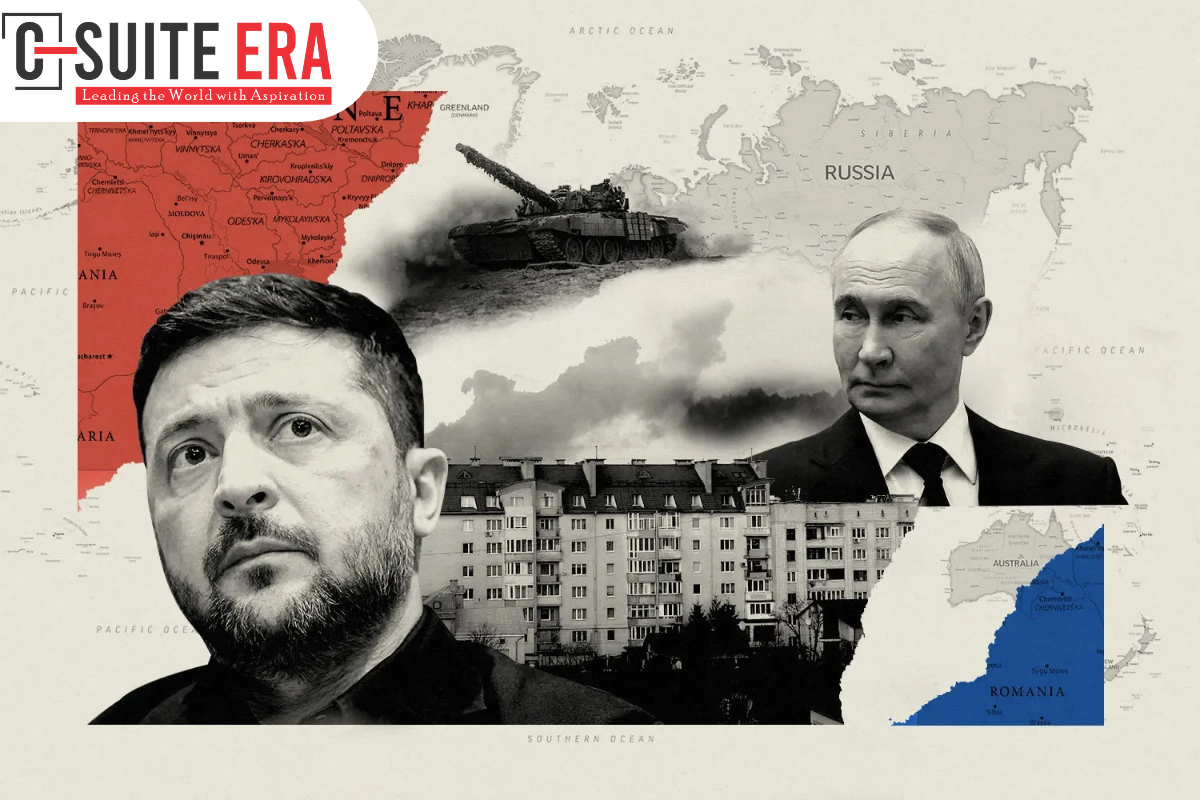
The United States and Russia are exploring potential business arrangements that could eventually bring Russian natural gas back to European markets, including through the Nord Stream pipeline system, according to people familiar with the discussions because of Ukraine War. The talks represent a potentially significant shift in the energy relationship between Russia and Europe, which has been dramatically reshaped since Moscow’s invasion of Ukraine in 2022.
The discussions reportedly involve senior U.S. and Russian figures, including Jared Kushner and Kirill Dmitriev, a close adviser to Russian President Vladimir Putin. One proposal under consideration would involve a U.S. investor participating in the Nord Stream pipeline business, Ukraine War potentially creating an economic relationship between Washington and Moscow around future European energy supplies.
The idea is linked to broader efforts to encourage negotiations over the war in Ukraine. Supporters of the approach argue that commercial cooperation could create economic incentives for peace while giving American companies a financial interest in future energy flows to Europe.
However, any agreement faces substantial political, legal and infrastructure-related obstacles.
Nord Stream Remains at the Center of the Proposal
Before Russia’s full-scale invasion of Ukraine in February 2022, Germany relied heavily on Russian natural gas, with more than half of its gas imports coming from Russia through the Nord Stream pipelines. The infrastructure became one of the most important symbols of Europe’s dependence on Russian energy.
That relationship collapsed after Russia reduced gas supplies to Europe following the invasion. Nord Stream was subsequently taken out of service, and underwater explosions in September 2022 severely damaged the pipeline system.
A potential restart would therefore require not only political approval but also major decisions concerning ownership, sanctions, infrastructure and security.
The Nord Stream company is majority-owned by Russian state-controlled energy giant Gazprom, while German, French and Dutch interests also hold stakes. The existing ownership structure could become another complication if Moscow attempted to sell or restructure its position to accommodate a U.S. investor.
German shareholders are reportedly interested in maintaining their stakes, partly to preserve German influence over any future decisions involving the infrastructure.
Germany Faces a Difficult Energy Decision
For Germany, the prospect of renewed Russian gas imports would be particularly sensitive.
Berlin has spent years attempting to reduce its dependence on Russian energy and has developed alternative sources of natural gas, including liquefied natural gas imports and supplies from other European partners. The German government has indicated that reopening Nord Stream is not currently desired.
The Ukraine War political environment has also changed considerably since 2022. Germany is now one of Ukraine’s most important European supporters and has increased military and financial assistance to Kyiv while strengthening its own defense capabilities.
A return to Russian gas could therefore trigger a major political debate over whether economic interests should once again take precedence over strategic concerns.
Some German politicians have warned that restoring energy ties with Moscow could strengthen Russia financially while weakening Europe’s broader position toward the war. At the same time, support for renewed Russian gas purchases exists within parts of German politics, creating the possibility of a divisive domestic debate.
Europe Remains Divided
Any attempt to restore Russian gas exports would also face resistance from several European countries.
Poland and the Baltic states have historically viewed Russian energy dependence as a significant security risk. Their governments have strongly opposed efforts to rebuild economic ties that could give Moscow renewed influence over Europe’s energy supply.
For Ukraine War , the issue extends beyond gas prices. Energy infrastructure has long been considered an element of national and European security, particularly because Russia previously used its position as a major energy supplier as part of its wider geopolitical strategy.
The European Union has also imposed extensive sanctions on Russian energy and companies connected with the country’s energy sector. Existing restrictions would make the immediate resumption of Nord Stream gas deliveries extremely difficult without significant changes to sanctions policy.
Wider Energy Deals Could Be Part of the Discussions
The Nord Stream discussions appear to form part of a broader exploration of potential U.S.-Russian energy transactions.
Another proposal reportedly involves the possible sale of assets belonging to Russian oil company Lukoil. These assets include refineries and fuel stations in Europe and elsewhere.
A potential consortium involving U.S., Qatari and United Arab Emirates investors could acquire some of the assets if sanctions were lifted or modified.
Such Ukraine War arrangements would represent a broader effort to connect diplomatic negotiations with commercial opportunities. The underlying idea is that economic agreements could create incentives for cooperation and provide financial benefits to participating countries and companies.
For Russia, renewed access to European energy markets would offer a potentially valuable source of revenue and restore part of its former position in the European energy system.
For the United States, participation by American investors could create commercial opportunities while potentially giving Washington greater influence over the future structure of European energy markets.
Major Obstacles Remain
Despite the discussions, a rapid return of Russian gas to Europe appears unlikely.
Sanctions remain one of the biggest barriers. The United States and European countries would need to make significant policy decisions before a sanctioned pipeline and its associated commercial structures could resume normal operations in Ukraine War .
There is also the question of physical infrastructure. Damage to Nord Stream means that restoring gas transportation would not simply involve reopening existing valves. Significant technical, financial and security considerations would have to be addressed.
Most importantly, the future of Russian gas in Europe remains closely connected to the outcome of the Ukraine war.
For now, the discussions illustrate how energy could become part of a broader attempt to reshape relations between Russia, the United States and Europe. If diplomatic negotiations gain momentum, energy and other commercial agreements could become important components of a potential post-war economic framework.
But any attempt to restore Russian gas supplies would force Europe to confront a difficult question: whether the economic benefits of cheaper and abundant Russian energy outweigh the strategic risks of again becoming dependent on Moscow.
Also Read :- US Senate Bill Faces Changes as Lawmakers Seek to Protect Mercedes-Benz