

Risk management is the ultimate shield protecting modern organizations from uncertainty and disruption. Every CEO understands that success is never accidental; it is the outcome of strategic decisions supported by robust risk management frameworks. Businesses rise and fall not because of opportunities alone, but because of their capacity to predict, prevent, and respond to threats effectively.
Today, risk management stands at the center of corporate sustainability. From cybersecurity breaches to financial instability and supply-chain disruptions, risks are multiplying at a pace the world has never seen. Organizations that master ultimate resilience lead the market with confidence and stability. Entrepreneurs who ignore it eventually face consequences that cost reputation, profits, and growth. The ultimate competitive advantage now belongs to leaders who manage risks smarter not harder.
The Power of Effective Risk Management
Risk management is a structured process that identifies potential threats, evaluates their impact, and implements strategies to minimize losses while maximizing performance. It allows CEOs and business innovators to make decisions with clarity and control, instead of fear and reaction.
What is risk management?
What is risk management? It is the continuous discipline of recognizing business uncertainties, prioritizing risks, and applying protection measures that reduce negative effects and enhance operational strength. Its purpose is not to eliminate all risks because that is impossible but to create the ultimate balance between risk and return.
Why CEOs and Entrepreneurs Need Risk Management

Entrepreneurs and global CEOs operate in volatile environments: shifting consumer behavior, evolving technologies, economic fluctuations, regulatory changes, cyber threats, market competition, and global crises. Without structured planning, even powerful brands collapse.
The ultimate advantages include:
- Protecting brand reputation and investor confidence
- Enhancing decision-making with real-time visibility
- Reducing financial loss and disruption probability
- Increasing operational control and accountability
- Building trust among boards and stakeholders
- Ensuring long-term organizational survival
Real-World Example
A Fortune 500 logistics company nearly shut down due to a sudden port closure. However, using its advanced risk management framework, it rerouted global shipments through alternative terminals within 36 hours saving millions. This is the ultimate demonstration of risk-prepared leadership.
Risk Identification and Analysis
What is risk identification and analysis?
Risk identification and analysis is the structured examination of potential threats and opportunities affecting business objectives. This step empowers leaders to identify not only dangers but also opportunities hidden inside uncertainty.
Types of Business Risks CEOs Must Evaluate
- Financial risks
- Operational risks
- Cybersecurity and data-loss risks
- Compliance and legal risks
- Reputational and brand damage risks
- Competitive and market risks
- Strategic and leadership risks
- Supply chain and vendor risks
Using business risk evaluation methods, CEOs create a predictive model of future vulnerabilities and build an ultimate roadmap to navigate complexities.
Risk Mitigation Techniques
Effective Risk Mitigation Techniques
- Avoidance – eliminating activities that create unnecessary exposure
- Reduction – implementing controls to minimize impact
- Transfer – using insurance and outsourcing to shift responsibility
- Acceptance – tolerating low-impact risks to optimize resources
These risk mitigation techniques build the ultimate defensive and offensive strategy essential for high-performance organizations.
Example
A banking organization facing a cyberattack threat invested in penetration testing and real-time monitoring. Instead of reacting after damage, proactive mitigation became their ultimate differentiator.
Risk Control Strategies
Risk control strategies help organizations respond rapidly during crises and ensure operations remain stable. CEOs implement control strategies through:
- Predictive monitoring dashboards
- Cross-departmental risk teams
- Standard operating procedures (SOPs)
- Emergency response plans
- Employee training and simulations
The ultimate objective is resilience without chaos.
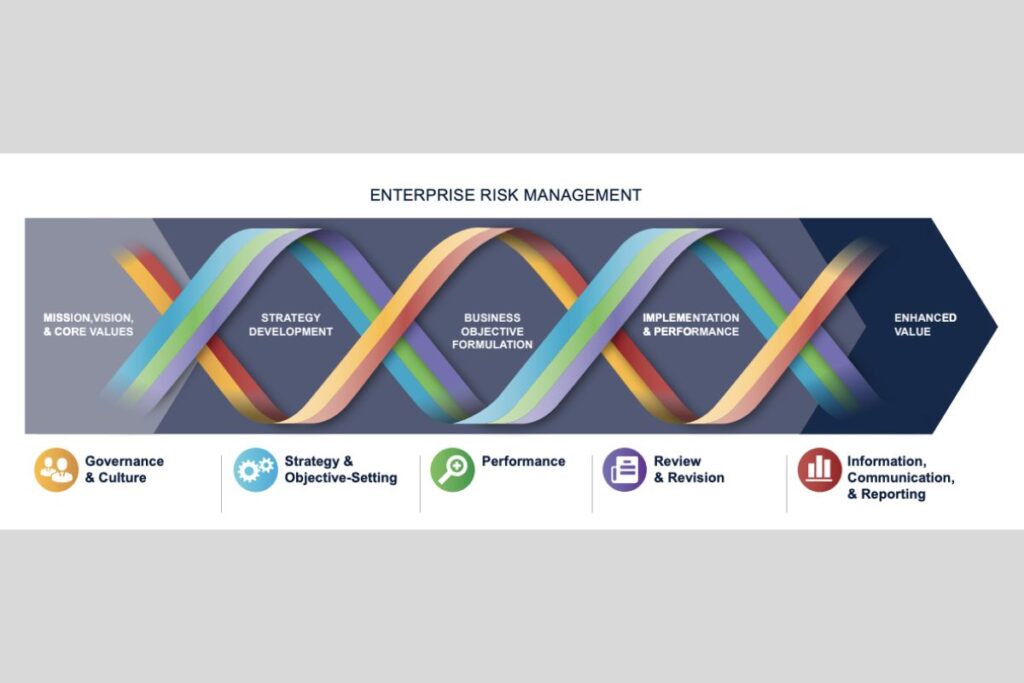
Risk Management Framework and Tools
Popular Framework Models
- COSO ERM Model
- ISO 31000 Risk Standard
- NIST Cybersecurity Framework
- Risk Heat-Map Matrix
- Business Continuity Framework
Leading Digital Tools
- SAP Risk Management
- IBM OpenPages
- Oracle Risk Cloud
- Resolver Risk Platform
- LogicManager
These solutions provide ultimate data-driven intelligence to reduce blind decisions and enhance governance.
Financial Risk Management in Organizations
Financial risks are the most dangerous threats for global businesses. Companies lose billions annually due to currency fluctuations, cash-flow challenges, fraud, investment errors, and market crashes.
CEOs rely on strategies like
- Liquidity and capital reserves
- Stress testing and scenario planning
- Hedge contracts and portfolio diversification
- Credit-risk assessment models
- Automated financial reporting
- Regulatory compliance monitoring
Strong financial management ensures the ultimate protection of profitability and investor confidence.
Positive and Negative Sides of Risk Management
Positive Outcomes
- Predictive decision-making
- Stronger growth planning
- Competitive advantage
- Reduced operational uncertainty
Negative Realities
- Implementation cost and complexity
- Requires continuous monitoring
- Resistance from internal teams
- Demands strong change leadership
However, the ultimate truth is ignoring risks costs far more than investing in prevention.
The Ultimate Risk Management Success Formula

Five Action Steps for CEOs
- Identify risks before they escalate
- Measure impact with data-driven evaluation
- Prioritize threats based on probability
- Apply risk mitigation techniques strategically
- Review performance continuously through tools and feedback
This formula is the ultimate operational strength for every corporate leader aiming for longevity and excellence.
FAQs
1. What is risk management, and why is it important?
Risk management protects organizations from financial, operational, and strategic failures. It increases stability using a risk management framework and tools for smart decisions.
2. What is risk identification and analysis in business?
It is a process to assess potential threats and prioritize actions. Business risk evaluation methods help leaders measure impact accurately.
3. What are the best risk mitigation techniques?
Avoidance, reduction, transfer, and acceptance are the most effective risk mitigation techniques organizations use to control damage.
4. How can CEOs apply risk control strategies?
They use SOPs, predictive analytics, and strong communication to manage crises efficiently.
5. What is financial risk management in organizations?
It includes liquidity planning, investment protection, compliance, and forecasting to maintain financial security.
6. What tools support modern risk management?
Platforms like SAP, Oracle, and IBM offer automated monitoring and reporting under advanced risk management framework and tool systems.
7. Can risk management help startups and small businesses?
Yes, even small companies need structured planning to avoid operational failures and improve sustainability