Legislative Push Targets Skilled Immigration System
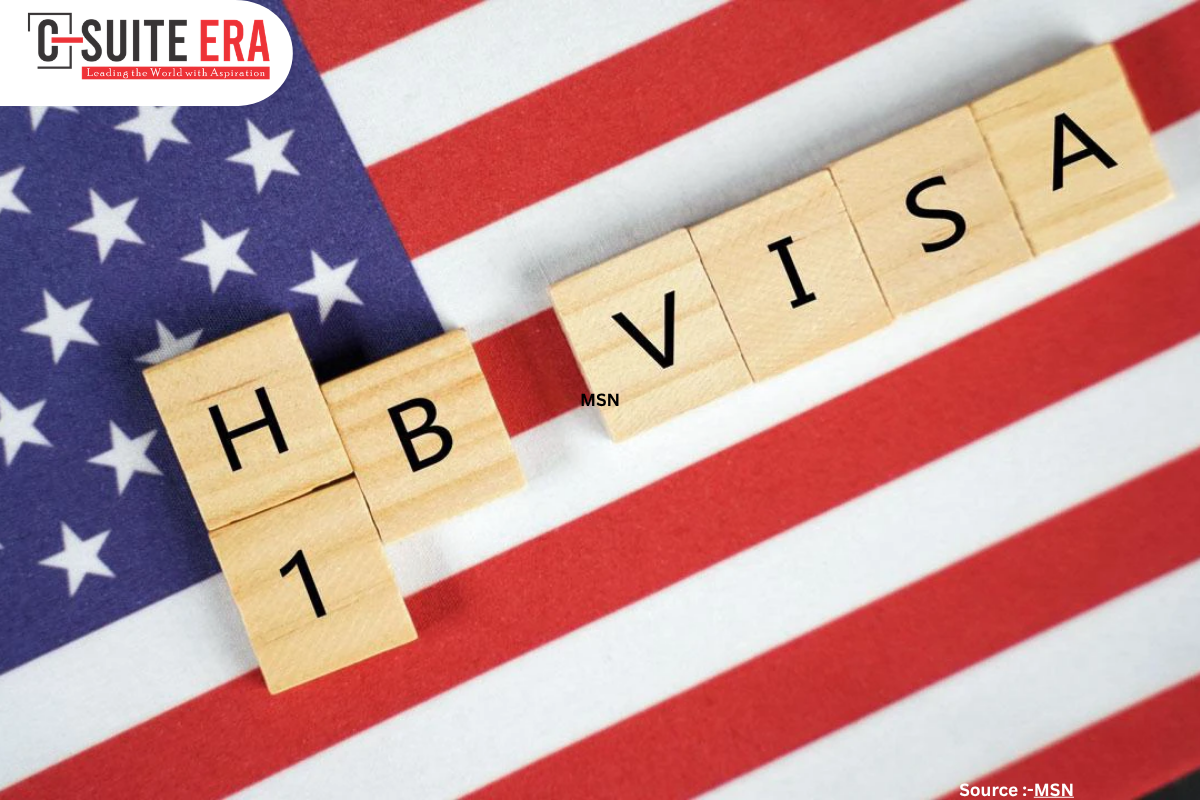
The United States Congress is witnessing renewed political momentum around skilled immigration as Republican lawmakers introduce a sweeping proposal to suspend new H-1B visa issuances for three years. The bill, titled the “End H-1B Visa Abuse Act of 2026,” has been backed by multiple members of the Republican caucus and is positioned as one of the most aggressive attempts in recent years to restructure the program.
According to details reported, the proposal also seeks to reduce the annual H-1B cap, tighten eligibility criteria, and overhaul the selection mechanism. Instead of the current lottery-based system, the bill suggests a wage-driven framework that would prioritize higher-paying employers. It further proposes a minimum salary threshold of around $200,000 for applicants, reflecting a broader effort to align the program with domestic wage expectations.
Supporters of the legislation argue that the H-1B system has drifted away from its original intent of filling short-term skill gaps in the US labor market, and instead has become a tool that they claim allows companies to reduce labor costs by hiring foreign workers.
Economic and Corporate Impact Under Scrutiny
The proposed freeze has triggered intense discussion across policy and corporate circles, particularly in the technology and services sectors that heavily rely on global talent mobility. The H-1B program has long served as a critical pipeline for skilled professionals in engineering, software development, and specialized research roles.
Critics of the bill warn that a three-year suspension could disrupt workforce planning for major US companies, especially those competing in fast-moving technology markets. Employers argue that access to global talent is essential to maintaining innovation capacity and addressing domestic skill shortages.
Lawmakers supporting the bill, however, maintain that the program has been exploited in ways that suppress wages and displace American workers. The proposal also includes restrictions on dependent visas and potential limits on transitions to permanent residency, signaling a broader tightening of immigration pathways tied to employment-based entry.
The debate reflects a growing tension between economic globalization and domestic labor protection priorities, a divide that has repeatedly surfaced in US immigration policymaking.
Global Workforce and Policy Uncertainty Rise
The implications of the proposed freeze extend beyond the United States, particularly for countries like India, which supplies a significant share of H-1B visa holders in the technology sector. For thousands of skilled professionals and students planning US careers, the uncertainty adds another layer of complexity to long-term migration and employment strategies.
The proposal comes amid a broader tightening of US immigration policy, including earlier measures such as increased visa fees and heightened scrutiny of work-based immigration categories. Together, these shifts indicate a policy environment increasingly focused on restricting inflows of foreign labor while reassessing existing visa frameworks.
Even though the bill is still at the proposal stage and must pass multiple legislative hurdles before becoming law, its introduction signals a strong political intent to reframe skilled immigration in the United States. Analysts view the development as part of a wider realignment of US labor and immigration policy under the current administration, where domestic employment protection is becoming a central policy driver.
For global professionals and multinational employers alike, the next phase of debate in Washington is likely to shape not only visa policy but also the broader architecture of international talent mobility in the years ahead.
Also Read :- C Suit Era Magazine for More Information