


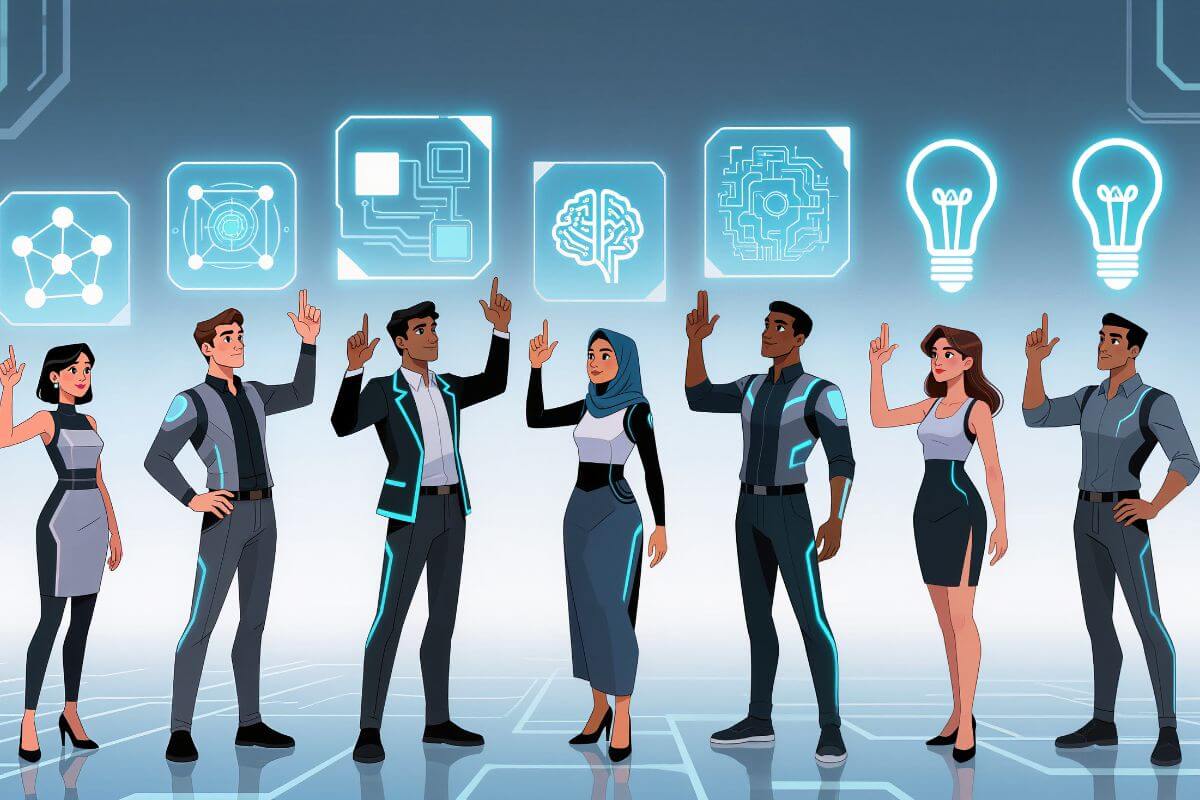
Leadership in the age of AI is transforming every industry and every decision we make today. Modern leaders now navigate new expectations, smarter systems, and fast-moving innovation. This shift demands clarity, awareness, and adaptable skills. Every leader must understand how AI reshapes decisions, empowers teams, and supports future-ready strategies.
The world is moving fast, and leadership models must evolve fast too. People expect accuracy, speed, and empathy from those who guide organizations. AI amplifies possibilities, but it also increases responsibility. In this article, we explore what drives successful leadership in the age of AI, how to adapt effectively, and what truly defines high-impact leaders in this digital era.
AI Reshaping Modern Leadership
Smarter Decision Models
AI-enabled decision-making is now reshaping how leaders solve problems. Leaders no longer rely only on intuition. They use data-rich insights that highlight patterns invisible to the human eye. This combination of human judgment and AI insights creates more confident choices.
Some key transformations include:
- Faster scenario analysis
- Predictive forecasting
- Reduced operational risks
- Improved cross-team clarity
This isn’t about replacing leaders. It’s about strengthening their decisions. Leaders using AI-driven leadership strategies enjoy improved accuracy and reduced emotional biases.
The New Leadership Mindset

Human-AI Collaboration
True leadership in the age of AI demands teamwork between humans and machines. Leaders must build workflows where AI takes over repetitive tasks while humans focus on connection, creativity, and strategy.
This mindset encourages:
- Collaborative thinking
- Improved team innovation
- Smart allocation of effort
- Continuous learning
This shift is deeply revolutionary for organizations aiming for long-term scalability.
Critical Skills in the AI Era
Adaptive Leadership Skills
Modern leadership skills in the AI era require more agility than ever. Leaders must move beyond traditional management styles and embrace a flexible, learning-first approach. Some of the most relevant skills include:
- Emotional Intelligence
Humans excel in empathy, and the rise of emotional intelligence vs artificial intelligence highlights this uniquely human advantage. - Strategic Thinking
AI provides data; leaders provide the meaning. - Digital Fluency
Leaders must understand digital transformation leadership and its impact on teams. - Ethical Decision-Making
Ethical leadership in artificial intelligence is essential as AI systems influence workforce outcomes.
This evolution of leadership is both inspiring and revolutionary, shaping a future where innovation thrives.
Leading Through Digital Transformation
Building AI-Ready Teams
Leadership in the age of AI involves preparing teams for tomorrow. This requires empowering them with new skills, tools, and mindsets. Reskilling for AI-driven workplaces is not an option, it’s a competitive necessity.
Successful leaders focus on:
- Training teams in automation and workforce management
- Creating a culture of continuous learning
- Encouraging experimentation and safe innovation
- Supporting cross-functional collaboration
These changes, while challenging, bring revolutionary improvements in productivity and engagement.
Ethical Foundations of AI Leadership
Responsible Decision Culture
AI delivers power, but leadership defines responsibility. Ethical leadership in artificial intelligence ensures that decisions remain fair, transparent, and human-centered.
Leaders must consider:
- Data privacy
- Bias reduction
- Transparent communication
- Human oversight
A responsible leader uses AI ethically to strengthen organizational trust. This thoughtful approach supports a revolutionary shift toward people-first strategies.
Balancing Humans and Technology

The Human Touch in the AI Age
People fear automation, but the truth is brighter. AI systems excel at speed and accuracy, but humans excel at empathy, creativity, and intuition. Combining these strengths builds a leadership model that is balanced and powerful.
Leaders should:
- Protect human value
- Encourage meaningful work
- Use AI to reduce burnout
- Build stronger relationships
This balanced approach is a revolutionary way to lead a modern workforce.
The Future of Leadership and AI
Long-Term Vision Planning
The future of leadership and artificial intelligence lies in embracing change without losing human essence. Leaders must plan for tomorrow by preparing today.
They must:
- Predict industry disruptions
- Use AI-powered productivity and innovation tools
- Build resilient business ecosystems
- Encourage open communication
With these strategies, leaders can shape a future that feels inspiring, stable, and genuinely revolutionary.
Practical AI-Driven Leadership Strategies
Daily Implementation Steps
Here are simple ways leaders can apply AI-driven leadership strategies every day:
- Use AI dashboards for real-time performance insights.
- Automate repetitive tasks to free time for strategy.
- Apply predictive analytics to plan ahead calmly.
- Use AI-based communication tools to improve clarity.
- Track employee sentiment using AI engagement platforms.
These steps help leaders stay confident and informed. Implemented daily, they create a revolutionary leadership workflow.
Challenges Leaders Must Navigate
Realistic Industry Barriers
While leadership in the age of AI is exciting, it comes with challenges:
Overdependence on algorithms
Employee fear of automation
Data accuracy concerns
Ethical risks
Skill gaps
But with strong guidance, leaders can turn obstacles into opportunities. Tackling these issues drives revolutionary progress in modern organizations.
Human-Centered AI Leadership
People-First Culture
Creating AI-powered systems is not enough. Leaders must create environments where people feel valued and understood.
Focus on:
- Open communication
- Transparency in automation decisions
- Respect for human input
- Prioritizing mental well-being
This people-first approach is deeply revolutionary and builds trust that lasts.
Examples of AI-Led Leadership Success
Industry Case Insights
Here are simple examples of how organizations practice leadership in the age of AI:
Tech Industry
Uses predictive analytics to guide product design.
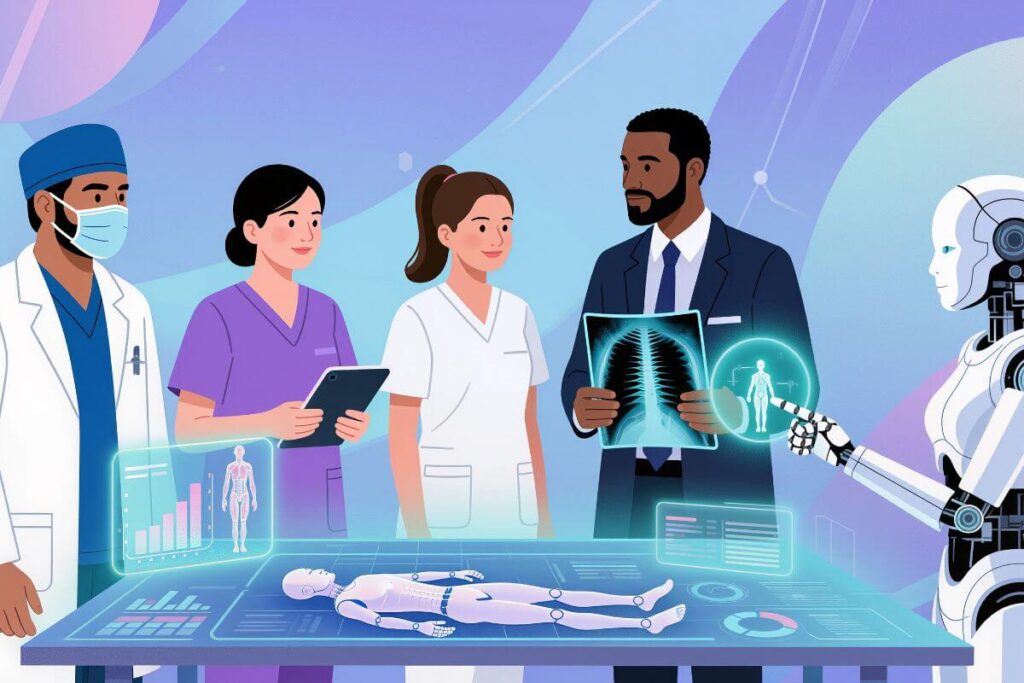
Healthcare
AI assists doctors in diagnosis, while leaders ensure ethical use.
Finance
AI strengthens fraud detection; leaders ensure transparency.
Education
AI personalizes learning; leaders train teachers to use it effectively.
These examples highlight the revolutionary blend of human insight and AI capability.
FAQs
Q1. What skills do leaders need in the AI era?
Leaders need emotional intelligence, digital transformation leadership awareness, ethical leadership in artificial intelligence, and flexible decision-making skills.
Q2. How does AI improve leadership decision-making?
AI-enabled decision-making supports faster analysis, reduced risk, and improved forecasting for adaptive leadership in tech-driven organizations.
Q3. Will AI replace leaders?
No, AI cannot replace empathy, creativity, or human integrity. It improves automation and workforce management but requires strong human oversight.
Q4. How can leaders prepare teams for AI adoption?
Leaders should prioritize reskilling for AI-driven workplaces, open communication, mentorship, and training on AI-powered productivity and innovation tools.
Q5. What ethical concerns must leaders watch?
Bias reduction, data privacy, transparency, and fair automation decisions are essential for ethical leadership in artificial intelligence.
Q6. What makes AI leadership future-ready?
Human-AI collaboration, continuous learning, and strong vision planning help leaders embrace the future of leadership and artificial intelligence.
Q7. How do organizations create people-first AI cultures?
By valuing emotional intelligence vs. artificial intelligence, protecting human roles, and encouraging open dialogue.
Conclusion
Leadership in the age of AI is evolving fast, but its core remains deeply human. The best leaders embrace technology without losing empathy or clarity. They use AI as a powerful partner to improve decision-making, strengthen teams, and build modern, future-proof organizations.
Every leader today has the chance to shape a smarter, more sustainable future. Success depends on learning continuously, adapting boldly, and guiding people with confidence. This future isn’t just innovative; it’s genuinely revolutionary for every industry.
If you want to thrive in this AI-driven era, start developing these leadership strengths today. Your transformation begins now.