
Federal Investigation Focuses on CIA Officers Intelligence Community Role in 2017 Russia Report
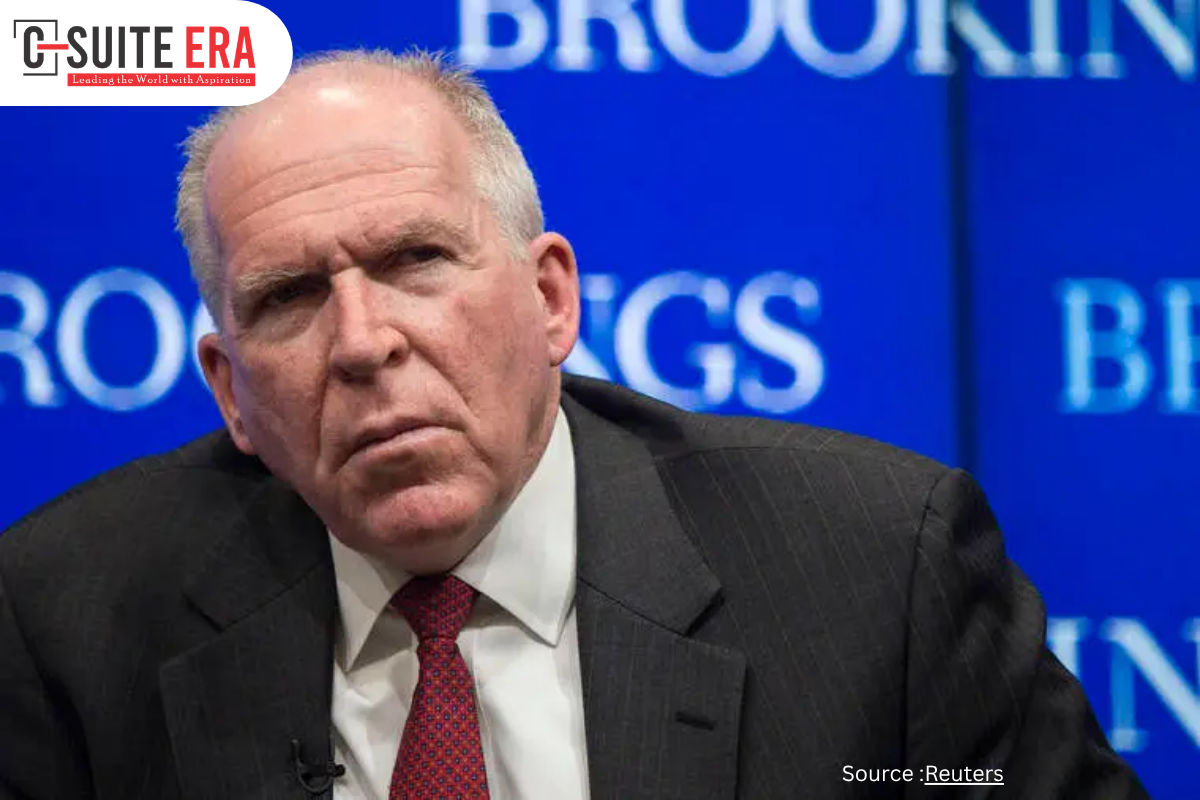
The Federal Bureau of Investigation has begun interviewing current and former Central Intelligence Agency officers as part of an expanding investigation into former CIA Director John Brennan’s role in the 2017 intelligence assessment CIA Officers on Russian interference in the 2016 U.S. presidential election, according to sources familiar with the matter.
The inquiry, led by the U.S. Attorney’s Office for the Southern District of Florida, is examining whether Brennan made false statements to Congress in 2023 regarding how the intelligence community incorporated the controversial Steele dossier into the assessment. The dossier, a collection of unverified allegations concerning Donald Trump’s ties to Russia, was partially referenced in the classified version of the 2017 report but was reportedly opposed by senior CIA Officers for formal inclusion.
FBI agents from the Miami field office have reportedly conducted interviews at CIA headquarters in Virginia, questioning multiple personnel who worked on the intelligence assessment. The focus of these interviews includes Brennan’s decision-making role, internal disagreements within the intelligence community, and the extent to which external political material influenced the final conclusions of the report.
Brennan has been informed that he is considered a target in the investigation, which continues to evolve with additional witness questioning expected in the coming weeks.
Steele Dossier, Congressional Testimony, and Political Scrutiny at the Core
At the center of the probe is renewed scrutiny over the controversial Steele dossier and its role in shaping U.S. intelligence assessments during a politically sensitive period. The dossier, funded by political opponents of Donald Trump and compiled by former British intelligence CIA Officers Christopher Steele, contained unverified claims about alleged coordination between Trump associates and Russian officials.
Brennan has previously stated that the CIA opposed reliance on the dossier in forming its conclusions and that its inclusion in any form was the result of inter-agency compromise rather than analytical necessity. However, investigators are now examining whether those representations align with internal communications and congressional testimony provided years later.
The investigation was prompted in part by referrals from Republican lawmakers, including allegations that Brennan mischaracterized the CIA’s involvement during a 2023 congressional appearance. The inquiry is also reviewing whether senior intelligence officials selectively presented or omitted contextual information when discussing the origins and credibility of the Russia assessment.
The broader intelligence assessment itself, which concluded that Russia conducted influence operations intended to benefit Donald Trump in 2016, has long been a focal point of political debate. While its core conclusions were later reaffirmed by multiple reviews, critics have repeatedly challenged the processes behind its formation and the handling of supporting material.
Intensifying Political Fallout and Renewed Debate Over Intelligence Integrity
The latest developments add a new layer of complexity to the long-running political and legal disputes surrounding the origins of the Trump-Russia investigation. The Brennan probe reflects a broader effort by federal authorities to revisit how intelligence agencies handled politically sensitive information during and after the 2016 election cycle.
Supporters of the investigation argue that accountability is necessary to determine whether intelligence assessments were influenced by flawed sourcing or internal bias. They also point to ongoing concerns about the use of politically charged materials within official government reporting processes.
However, critics within the intelligence community warn that the inquiry risks politicizing national security institutions and undermining public trust in intelligence analysis. Former officials have expressed concern that revisiting settled assessments through criminal investigative frameworks could create long-term institutional instability.
The investigation has also reignited debate over the role of external political materials, such as the Steele dossier, in government intelligence work. While some officials maintain it had limited impact on the final assessment, others argue its presence—even in a supplementary capacity—continues to raise questions about analytical rigor and procedural safeguards.
As interviews continue and legal review intensifies, the probe into Brennan and the intelligence community’s handling of Russian interference assessments is emerging as one of the most consequential post-election investigations in recent years, with potential implications for how future intelligence reviews are conducted and scrutinized in politically sensitive environments.
Also Read :– C Suite Era Magazine For information