

Failed Financial Lifeline Pushes Airline Toward Shutdown Scenario
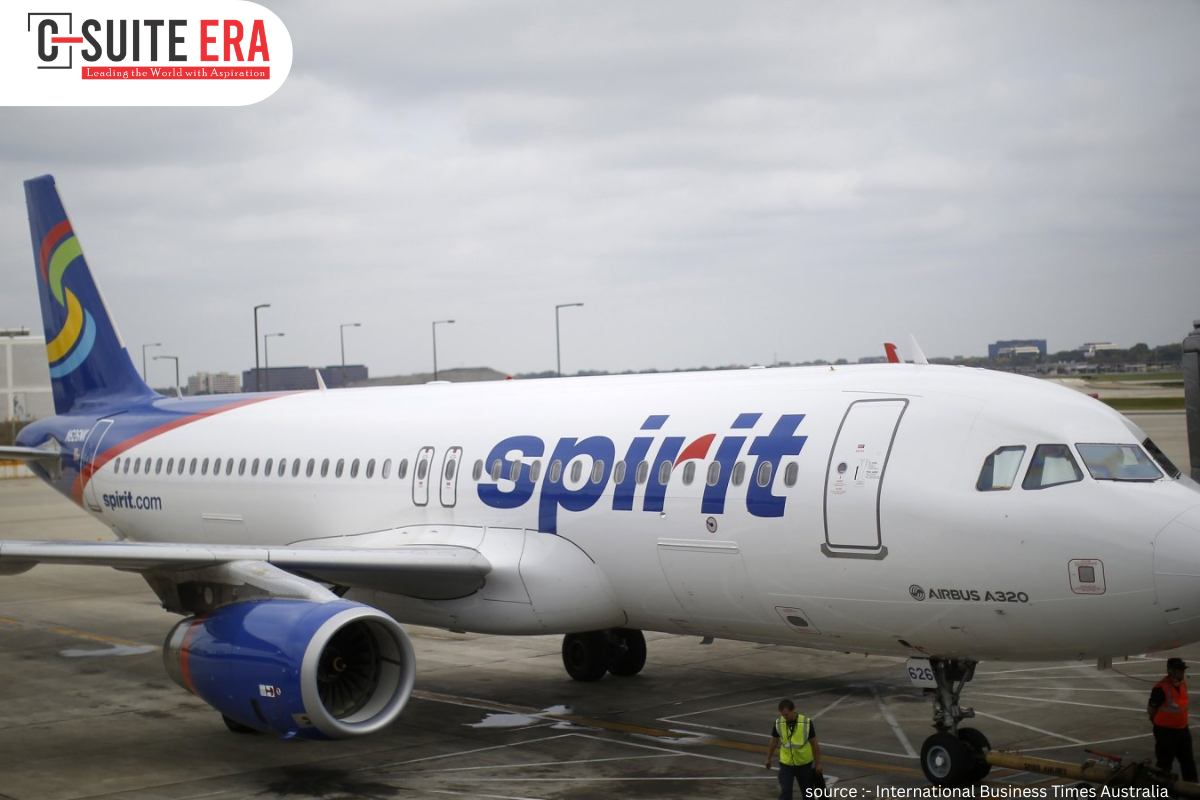
Spirit Airlines is moving toward a potential shutdown after emergency rescue negotiations collapsed, leaving the ultra-low-cost carrier without a viable path to immediate financial stabilization. According to Reuters reporting, discussions surrounding a proposed $500 million rescue package stalled after weeks of complex negotiations involving creditors, bondholders, and federal stakeholders failed to align on key structural terms.
The proposed support mechanism reportedly involved a mix of government-backed financing and restructuring conditions that would have given federal authorities partial financial oversight in exchange for stabilizing the carrier. However, disagreements over valuation, repayment priority, and equity dilution created an impasse that ultimately halted progress.
With liquidity pressures intensifying, Spirit has begun preparing contingency planning for a possible wind-down of operations. These preparations include evaluating asset sales, aircraft lease terminations, workforce reductions, and obligations tied to outstanding debt instruments. While no final shutdown decision has been publicly confirmed, internal planning signals a shift toward worst-case operational scenarios.
The airline has faced repeated financial distress in recent years, including prior bankruptcy protection filings, which already placed its long-term viability under scrutiny. The latest collapse in rescue efforts has significantly narrowed its options for continued independent operation.
Structural Weaknesses and Industry Headwinds Intensify Pressure
Spirit Airlines’ financial instability is not an isolated event but the result of accumulated structural and market pressures that have intensified over time. The carrier’s ultra-low-cost model relies heavily on high passenger volume, strict cost control, and stable fuel pricing conditions. However, recent market dynamics have disrupted this balance.
A major contributing factor has been sustained volatility in global fuel prices, which has elevated operating costs across the aviation sector. Rising jet fuel expenses have eroded the narrow margins that low-cost carriers depend on, leaving limited room to absorb shocks without passing costs onto consumers.
Additionally, Spirit’s strategic trajectory was significantly impacted by the collapse of its proposed merger with JetBlue Airways. That deal, which was blocked on regulatory grounds, was expected to provide scale efficiencies, expanded route networks, and improved financial resilience. Its failure left Spirit more exposed to competitive pressures from larger, diversified carriers with stronger capital buffers.
Compounding these issues is the broader post-pandemic normalization of air travel demand, which has shifted consumer behavior and pricing dynamics. While demand has recovered, it has also become more sensitive to economic conditions, creating unpredictable revenue flows for budget-focused airlines.
Efforts to restructure operations, including fleet optimization and route rationalization, have not been sufficient to offset the combined impact of rising costs and constrained financing conditions. Credit markets have also become more cautious, limiting Spirit’s ability to refinance debt or raise new capital under favorable terms.
Market Reactions and Broader Aviation Industry Implications
The potential exit of Spirit Airlines carries significant implications for the US aviation market, particularly in the budget travel segment where it has historically played a disruptive pricing role. The airline’s presence has been a key factor in maintaining competitive fare structures on domestic routes, especially in high-demand leisure corridors.
Following reports of the failed rescue talks, investor sentiment across the airline sector reflected expectations of reduced price competition. Shares of some rival carriers saw upward movement as markets priced in the possibility of capacity tightening and fare normalization if Spirit reduces or exits operations.
Industry analysts suggest that a reduction in ultra-low-cost capacity could lead to upward pressure on average ticket prices, particularly on routes where Spirit previously acted as a price anchor. This shift could gradually reshape consumer expectations around baseline airfare levels in the US domestic market.
Beyond pricing effects, the situation highlights broader structural vulnerabilities in the ultra-low-cost carrier model during periods of sustained cost inflation. Business models that depend on minimal fare margins are especially sensitive to fuel price volatility, financing constraints, and operational disruptions.
The developments have also reignited debate over the role of government intervention in critical transportation infrastructure. While some stakeholders argue that stabilizing financially distressed carriers preserves competition and consumer choice, others caution that repeated bailouts may delay necessary market corrections in structurally unsustainable business models.
At present, Spirit Airlines remains in a precarious position, with its future dependent on whether last-minute financing solutions, creditor compromises, or alternative restructuring pathways can be secured. Absent such intervention, the airline’s potential shutdown would represent one of the most significant contractions in the US low-cost aviation sector in recent years, reshaping competitive dynamics and potentially redefining pricing structures across the broader industry.
Also Read :- C suite Era Magazine for more information