

Bipartisan Bill Targets China’s Overseas AI Influence
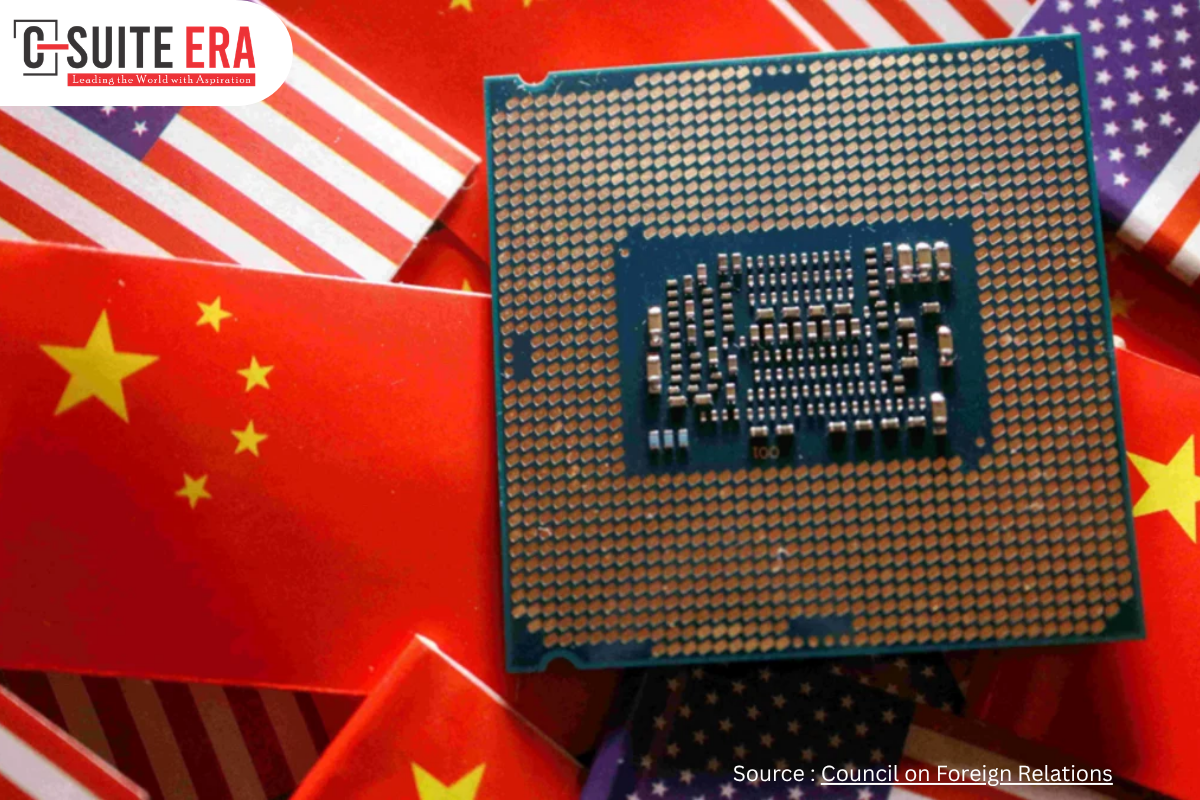
US lawmakers have introduced a bipartisan proposal aimed at curbing China’s growing global influence in artificial intelligence and advanced technology markets. The legislation, backed by Senator Jeanne Shaheen and Senator Pete Ricketts, seeks to strengthen Washington’s international tech strategy by actively supporting US technology exports to allied nations while limiting the competitive reach of Chinese AI firms abroad.
According to Reuters reporting, the bill would establish a new State Department office dedicated to promoting American AI systems, chips, software, and cybersecurity tools in foreign markets. The initiative is designed to ensure that US allies have easier access to American-developed technologies, particularly in sectors such as telecommunications, biotechnology, cloud computing, and digital infrastructure.
The proposal also includes the creation of a $500 million fund aimed at subsidizing and streamlining the adoption of US technologies abroad. Lawmakers argue that this financial backing would help US firms compete more effectively against China’s expanding global tech footprint.
The bill aligns with broader US strategic efforts, including the Trump administration’s “Pax Silica” initiative, which seeks to reinforce supply chain resilience and reduce global dependence on Chinese-controlled technology ecosystems.
Tech Competition Intensifies in Global Markets
The US Lawmakers legislative push comes amid escalating competition between Washington and Beijing for influence over global technology infrastructure. China has significantly expanded its overseas technology and infrastructure investments in recent years, particularly through its Belt and Road Initiative, which has increasingly included digital infrastructure and AI-related projects.
US Lawmakers And US officials argue that China’s strategy is not limited to physical infrastructure but extends to software ecosystems, data systems, and artificial intelligence platforms that could shape long-term technological dependence in developing markets.
The proposed US response is focused on positioning American AI systems as the preferred alternative for governments and private-sector buyers seeking secure and transparent technology partnerships. Policymakers emphasize that the initiative is not only economic in nature but also tied to national security concerns, particularly regarding data governance and critical infrastructure control.
US Lawmakers the same time, the US is tightening restrictions on Chinese access to advanced semiconductor technologies, including chipmaking equipment and high-performance AI processors. These export controls are intended to slow China’s ability to develop cutting-edge AI systems domestically while reinforcing US leadership in the global AI ecosystem.
Strategic Shift Toward State-Led Technology Diplomacy
The proposal reflects a broader shift in US policy toward more active state involvement in global technology competition. Rather than relying solely on private-sector expansion, the legislation envisions a coordinated government-backed strategy to promote American AI adoption abroad through funding, diplomacy, and institutional support.
Supporters of the bill argue that China’s aggressive investment strategy requires a similarly coordinated response. They point to Beijing’s ability to align state financing, industrial policy, and international partnerships as a model that has enabled rapid expansion of Chinese technology influence across emerging markets.
Under the proposed framework, US agencies would work more closely with private technology firms to package and export integrated AI solutions, including hardware, software, cloud infrastructure, and cybersecurity systems. This approach is intended to make US offerings more competitive against Chinese alternatives that are often bundled with financing and infrastructure support.
However, the initiative is likely to face scrutiny over its cost, effectiveness, and geopolitical implications. Critics may question whether subsidizing global technology exports could distort markets or escalate technological fragmentation between rival blocs.
As global AI competition intensifies, the legislation underscores a growing reality: artificial intelligence is no longer viewed solely as a commercial industry but as a core instrument of geopolitical strategy. The outcome of such policies could shape the balance of technological influence between the United States and China for years to come.
Also Read :- C Suit Era Magazine for More information