


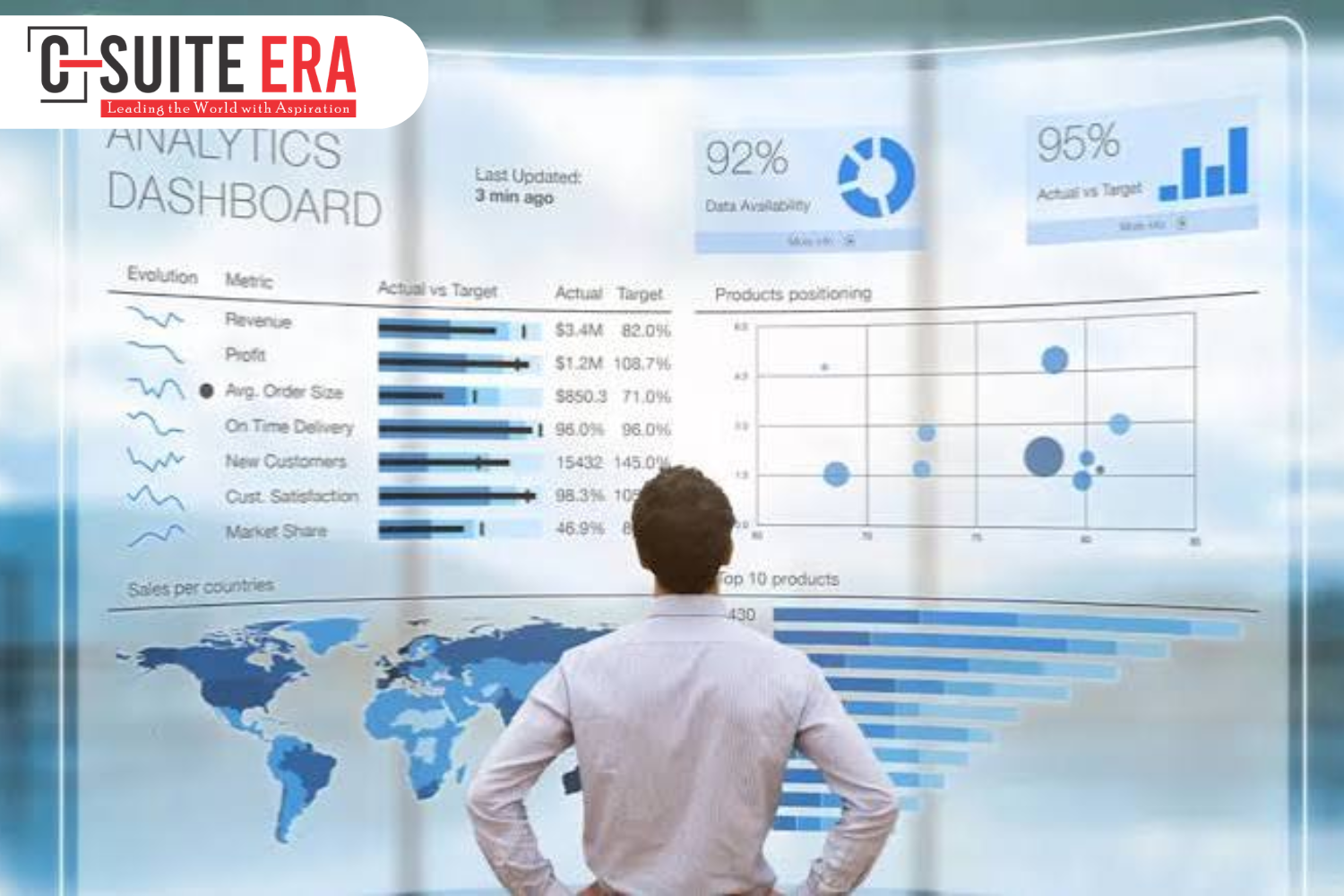
In today’s competitive business environment, making decisions based on intuition alone is no longer enough. Companies that leverage data to understand customer behavior, forecast demand, and optimize sales strategies are better positioned to achieve sustainable growth. This is where Analytics in Sales becomes a game changer.
By analyzing sales data, businesses can identify trends, improve forecasting, enhance customer relationships, and increase profitability. Whether you’re a small business or a global enterprise, implementing Analytics in Sales can help your team make smarter decisions and close more deals. This article explores what sales analytics is, its benefits, key metrics, and best practices for success.
What Is Analytics in Sales?
Analytics in Sales refers to the process of collecting, analyzing, and interpreting sales data to improve business performance. It helps organizations understand how their sales teams perform, identify customer buying patterns, and make informed decisions based on real-time insights.
Instead of relying on guesswork, businesses use analytics to uncover opportunities, solve challenges, and create more effective sales strategies.
Why Is Analytics in Sales Important?
Sales analytics enables businesses to understand what is working and what needs improvement. It provides valuable insights that support better planning and execution.
Some key benefits of Analytics in Sales include:
- Improves sales forecasting
- Identifies high-performing products and services
- Enhances customer targeting
- Increases sales productivity
- Optimizes pricing strategies
- Reduces sales cycle length
- Supports data-driven decision-making
Companies that use analytics effectively can respond more quickly to market changes and customer needs.
Types of Sales Analytics
Businesses use different types of analytics depending on their goals.
1. Descriptive Analytics
This type focuses on historical data to understand past sales performance. It answers questions like:
- How much did we sell last quarter?
- Which products performed best?
- Which regions generated the highest revenue?
2. Diagnostic Analytics
Diagnostic analytics helps identify the reasons behind specific sales outcomes.
For example:
- Why did sales decline last month?
- Why are certain products outperforming others?
3. Predictive Analytics
Predictive analytics uses historical data and statistical models to forecast future sales trends and customer behavior.
It helps businesses:
- Estimate future revenue
- Predict customer demand
- Identify potential sales opportunities
4. Prescriptive Analytics
This advanced form of analytics recommends the best actions based on available data.
Examples include:
- Suggesting optimal pricing
- Recommending customer follow-ups
- Identifying the best sales channels
Key Metrics Used in Sales Analytics
Tracking the right metrics is essential for measuring performance.
Some of the most important metrics include:
1. Revenue Growth
Measures how much sales have increased over a specific period.
2. Conversion Rate
Shows the percentage of leads that become paying customers.
3. Customer Acquisition Cost (CAC)
Calculates how much it costs to acquire a new customer.
4. Customer Lifetime Value (CLV)
Estimates the total revenue a customer generates throughout their relationship with the business.
5.Average Deal Size
Measures the average value of closed sales.
6. Sales Cycle Length
Tracks the time required to convert a prospect into a customer.
7. Win Rate
Shows the percentage of sales opportunities that result in successful deals.
How Analytics in Sales Improves Business Performance
Businesses that embrace analytics gain a significant competitive advantage.
1. Better Sales Forecasting
Accurate forecasting helps companies plan inventory, staffing, budgets, and production more effectively.
2. Improved Customer Segmentation
Sales analytics identifies customer groups based on demographics, purchasing behavior, and preferences, allowing businesses to deliver more personalized experiences.
3. Higher Sales Productivity
Managers can identify top-performing sales representatives, evaluate sales processes, and provide targeted coaching where needed.
4. Smarter Pricing Decisions
Analytics helps businesses determine the most effective pricing strategies by studying customer demand, competitor pricing, and market conditions.
5, Stronger Customer Retention
By monitoring customer activity and purchase history, businesses can identify at-risk customers and take proactive steps to retain them.
Best Practices for Using Analytics in Sales
To maximize results, businesses should follow proven strategies.
1. Collect Accurate Data
Reliable insights depend on clean and accurate data. Regularly update customer information and remove duplicate records.
2. Define Clear Objectives
Identify the specific goals you want analytics to achieve, such as increasing conversions, improving forecasting, or reducing customer acquisition costs.
3. Use the Right Technology
Customer Relationship Management (CRM) systems, business intelligence platforms, and sales dashboards make it easier to collect and analyze data.
4. Monitor Performance Regularly
Review sales reports frequently to identify trends and adjust strategies as market conditions change.
5. Train Your Sales Team
Ensure your sales professionals understand how to interpret data and use insights to improve customer interactions.
Common Challenges in Sales Analytics
Despite its benefits, implementing sales analytics can present challenges.
Some common obstacles include:
- Poor data quality
- Limited integration between systems
- Lack of skilled analysts
- Inconsistent reporting methods
- Resistance to data-driven decision-making
Addressing these issues helps businesses unlock the full potential of analytics.
Future Trends in Sales Analytics
Technology continues to reshape the sales landscape.
Emerging trends include:
- Artificial intelligence for sales forecasting
- Machine learning for customer insights
- Real-time analytics dashboards
- Predictive lead scoring
- Automated reporting
- Conversational analytics
- Personalized customer recommendations
These innovations will enable businesses to make faster and more informed sales decisions.
Conclusion
Analytics in Sales has become an essential tool for organizations seeking sustainable growth and improved customer relationships. By transforming raw data into actionable insights, businesses can optimize their sales strategies, increase productivity, improve forecasting, and enhance customer satisfaction.
As competition continues to grow, companies that invest in Analytics in Sales will be better equipped to identify opportunities, respond to market changes, and achieve long-term success. With the right tools, accurate data, and a commitment to continuous improvement, sales analytics can become one of the most valuable assets in any organization.
Also Read :- Are Electric Bikes Worth It? A Complete Guide for Modern Riders