

1. Grocery Business Delivers Stronger Growth
Target’s renewed focus on groceries is beginning to produce measurable results, giving the retailer an important boost as it works to revive overall sales and bring more customers back into its stores.
Food and beverage sales increased 7% in the quarter ending August 1, marking the category’s fastest growth in three years. Overall customer traffic also increased, showing that the grocery strategy is helping create more reasons for shoppers to visit Target.
The improvement comes under new CEO Michael Fiddelke, who has placed greater emphasis on grocery, product assortment and the in-store shopping experience as part of a broader turnaround strategy.
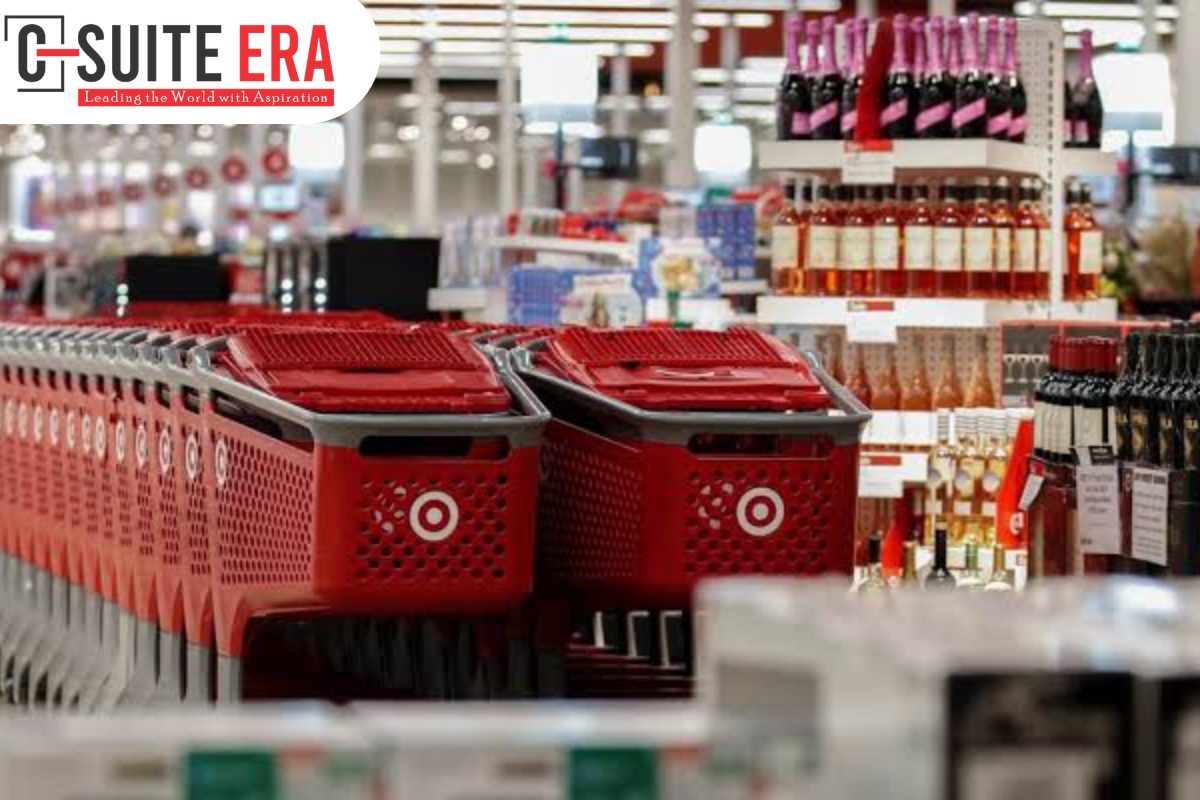
Target has expanded grocery space, refreshed product selections and increased the visibility of food and beverage products. Snacks have been particularly successful, with sales increasing 15% during the quarter.
The challenge now is converting those grocery visits into broader purchases across the store.
2. Grocery Business Brings Customers In, but Margins Are Lower
Grocery can be an effective way to increase store traffic because food is purchased frequently. However, grocery products generally generate lower profit margins than categories such as apparel, beauty and home merchandise.
That creates a strategic challenge for Target.
If customers visit primarily to purchase milk, snacks or other food products and leave without buying higher-margin merchandise, the increase in traffic may not translate into the level of profitability the retailer needs.
The company’s strategy therefore depends on creating a shopping experience where grocery becomes the starting point rather than the entire shopping trip.
Target is expanding its assortment to encourage customers to explore other departments while they are already in the store.
The retailer plans to introduce 600 new private-label food and beverage products, including approximately 400 products under its Good & Gather brand. The company expects the new offerings to generate more than $2 billion in additional revenue over the coming years.
3. Target Wants Grocery to Become a Gateway to the Store
The broader objective is to make Target a more frequent destination for everyday shopping.
Grocery Business gives the retailer an opportunity to increase visit frequency because customers need food and household essentials regularly. Once shoppers are inside the store, Target can use product placement, merchandising and its wider assortment to encourage additional purchases.
This strategy is particularly important as consumers become more selective about where they spend their money.
Target has already seen encouraging results in several areas outside grocery. Beauty and hardlines have recorded strong growth, while other categories have been more challenging.
Apparel and home furnishings have remained relatively weak, demonstrating that the grocery recovery alone cannot complete the company’s turnaround.
The retailer therefore needs to connect its improved grocery experience with the broader Target shopping proposition.
4. Competition With Walmart Remains Significant
Target still faces a major competitive disadvantage in grocery.
The company holds approximately 5% of the U.S. grocery market, compared with around 27% for Walmart.
That gap illustrates the scale of the challenge. Walmart has built grocery into one of the central components of its retail model, while Target has traditionally relied more heavily on discretionary categories such as apparel, home products and general merchandise.
Target does not necessarily need to overtake Walmart in grocery to benefit from the category. Instead, its opportunity lies in using food to increase store visits while differentiating itself through product selection, private brands, convenience and the broader shopping experience.
The company is also betting on its private-label products to create greater differentiation and encourage customers to choose Target over competing retailers.
5. The Turnaround Is Showing Early Signs of Progress
Target’s recent performance suggests that the company’s turnaround strategy is beginning to gain traction.
Customer traffic increased 3.6%, while improvements in grocery and other merchandise categories helped strengthen overall performance.
However, management still faces a significant task in rebuilding momentum across the entire Grocery Business .
The retailer needs to demonstrate that grocery growth can translate into sustainable increases in total sales and profitability rather than simply shifting spending toward lower-margin products.
That means improving merchandise in categories where performance remains weaker, strengthening the value proposition and encouraging customers to purchase across multiple departments.
6. The Next Test Is Converting Traffic Into Profitable Growth
Target’s grocery strategy has successfully addressed one important problem: getting more customers through the doors.
The next challenge is making those visits more valuable.
A customer who enters for snacks or groceries represents an opportunity to purchase clothing, beauty products, home goods, electronics, toys and other merchandise. Target’s ability to create those additional purchases will determine whether its grocery investment becomes a temporary sales boost or a foundation for a broader turnaround.
The company is therefore moving beyond simply expanding its food selection. It is attempting to make grocery an integral part of a larger retail ecosystem.
If Target can successfully connect frequent grocery trips with higher-margin purchases throughout its stores, the strategy could strengthen both customer loyalty and profitability.
For now, the grocery business is providing a much-needed source of momentum. The harder task will be turning that momentum into sustained growth across the entire Target business.
also Read :- C Suite Era Magazine for more information