1. US Justice Department Escalates Federal Oversight Ahead of Midterm Elections
The US Justice Department(DOJ) has issued a nationwide warning to election officials, stating that state and local authorities could face criminal prosecution if they knowingly allow noncitizens to remain on voter registration rolls or cast ballots in federal elections.
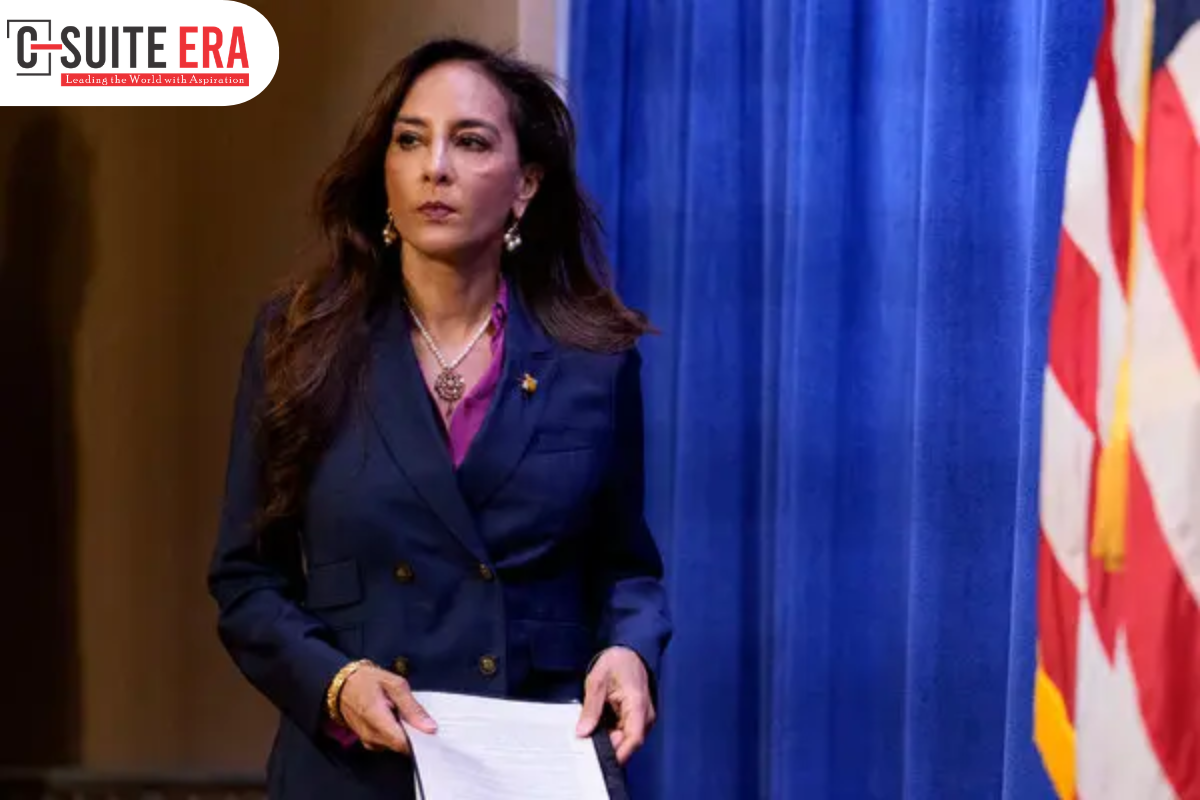
According to Reuters, letters signed by Harmeet Dhillon were sent to election officials in all 50 states and the District of Columbia. The letters remind officials that federal law prohibits noncitizens from voting in federal elections and warns that individuals who knowingly facilitate such voting or fail to remove ineligible voters from registration lists could face criminal liability.
The Justice Department described the letters as part of its broader effort to safeguard election integrity ahead of the 2026 midterm elections. A DOJ spokesperson said the department is seeking voluntary compliance with federal election laws and emphasized that maintaining accurate voter rolls is a legal responsibility shared by state election administrators.
The move marks one of the Trump administration’s strongest assertions of federal oversight over elections, an area that has traditionally been administered primarily by individual states. It also continues President Donald Trump‘s longstanding focus on election security and voter eligibility, issues that have remained central to his administration’s policy agenda.
Federal law already makes it illegal for noncitizens to vote in federal elections. However, the DOJ’s latest warning signals that the department may be prepared to pursue criminal investigations if officials are found to have knowingly failed to enforce those requirements.
2. State Officials Push Back Against Federal Warning
The DOJ’s letters have drawn immediate criticism from several state election officials, particularly in Democratic-led states, who argue that existing safeguards already protect election integrity.
US Justice Department Reuters reported that election officials in states including Michigan defended their voter registration systems, saying they already conduct extensive verification procedures to ensure that only eligible citizens are registered to vote. Officials maintained that existing state and federal laws provide multiple layers of protection against unlawful voting.
Arizona Secretary of State Adrian Fontes criticized the Justice Department’s warning, describing it as an attempt to pressure state election administrators. He said Arizona would continue enforcing election laws under its existing legal framework while rejecting what he characterized as political intimidation.
The issue remains politically sensitive because numerous studies and past investigations have found that cases of noncitizen voting in U.S. federal elections are rare. Nevertheless, the Trump administration has consistently argued that stronger enforcement measures are necessary to maintain public confidence in election outcomes and prevent unlawful voting before it occurs.
Legal experts note that while the federal government has authority to enforce federal election laws, states retain primary responsibility for administering elections. This division of responsibilities has frequently produced legal disputes over voter registration requirements, election procedures, and federal oversight.
The DOJ’s latest action follows several recent legal efforts by the administration involving voter-roll maintenance, access to citizenship data, and election administration standards, reflecting an increasingly active federal role in election policy.
3. Election Integrity Debate Intensifies Before 2026 Midterms
The warning arrives as preparations accelerate for the 2026 congressional elections, with election administration expected to remain one of the country’s most closely watched political issues.
Supporters of the US Justice Department approach argue that proactive enforcement helps preserve confidence in the electoral process by ensuring that voter registration lists remain accurate and that only eligible citizens participate in federal elections. They contend that clear legal expectations encourage consistent compliance across all states.
Critics, however, argue that the threat of criminal prosecution could place additional pressure on local election administrators who already operate under complex legal requirements and significant public scrutiny. Some election officials fear that heightened federal involvement may further politicize the administration of elections and complicate coordination between state and federal authorities.
The dispute also reflects broader disagreements over the balance of power between federal and state governments in managing elections. While Congress establishes many rules governing federal elections, states retain substantial authority over voter registration systems, polling operations, and election administration.
With the midterm elections approaching, the Justice Department is expected to continue monitoring state compliance with federal voting laws while pursuing additional initiatives related to voter eligibility and election security. Whether the department ultimately brings criminal cases against election officials will likely depend on the findings of future investigations and the circumstances surrounding individual cases.
For now, the DOJ’s warning represents a significant escalation in the federal government’s approach to election oversight. As states review the department’s guidance and prepare for the upcoming election cycle, the relationship between federal enforcement and state election administration is expected to remain at the center of legal and political debate across the United States.
Also Read :- South Korea Rejects Coupang’s Data Leak Claim as Presidential Office Faces Cybersecurity Scrutiny