


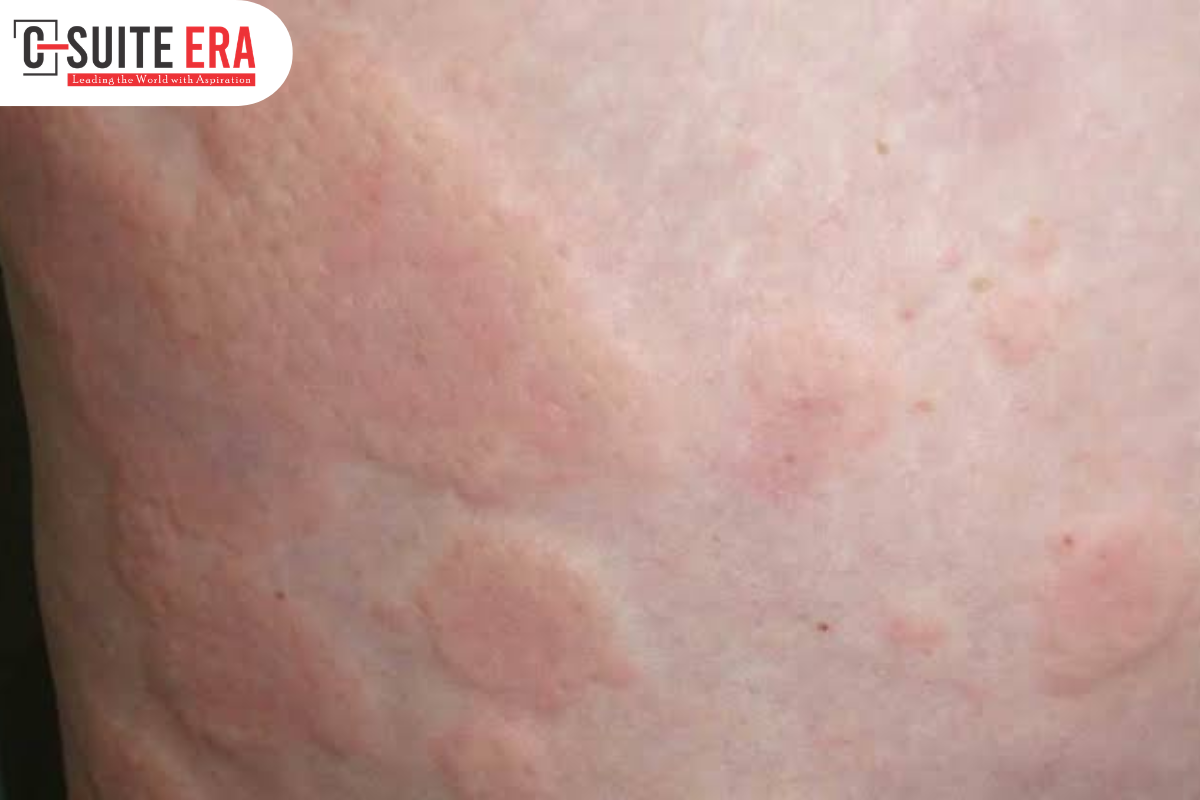
Hives are one of the most common skin conditions experienced by adults. Characterized by raised, itchy, red welts that can appear anywhere on the body, hives may last for a few hours or persist for weeks or even months. While allergic reactions are often considered the primary cause, many people are surprised to learn that several underlying medical conditions can also trigger recurring hives.
Understanding the diseases that cause hives in adults is essential for identifying the root cause and receiving appropriate treatment. Persistent or recurring hives should never be ignored, especially when they are accompanied by other symptoms such as joint pain, fever, swelling, or fatigue.
This article explores the most common medical conditions associated with adult hives, their symptoms, diagnosis, treatment options, and when it is time to seek medical attention.
What Are Hives?
Hives, medically known as urticaria, are itchy, raised welts that develop when histamine and other chemicals are released from the skin’s mast cells. These welts can vary in size, merge together, and move from one part of the body to another. While acute hives typically resolve within six weeks, chronic hives continue beyond that timeframe and often require a deeper medical evaluation.
Although food allergies, medications, insect bites, and environmental triggers are well-known causes, numerous medical disorders can also lead to persistent skin reactions.
Common Diseases That Cause Hives in Adults
Several underlying health conditions can contribute to chronic or recurring hives. Recognizing these illnesses can help healthcare providers develop an effective treatment plan.
1. Autoimmune Thyroid Disease
Autoimmune thyroid disorders such as Hashimoto’s thyroiditis and Graves’ disease are frequently linked to chronic hives. In these conditions, the immune system mistakenly attacks the thyroid gland, leading to inflammation and hormone imbalance.
Many patients experience recurring hives even before thyroid-related symptoms become noticeable. Blood tests evaluating thyroid function and thyroid antibodies are often recommended for adults with unexplained chronic urticaria.
Autoimmune thyroid disease is among the most recognized diseases that cause hives in adults, making thyroid screening an important part of diagnosis.
2. Lupus
Systemic Lupus Erythematosus (SLE) is a chronic autoimmune disease affecting multiple organs, including the skin. People with lupus may develop persistent hives along with fatigue, joint pain, facial rashes, kidney problems, and sensitivity to sunlight.
Because lupus causes widespread immune system dysfunction, skin manifestations like hives may become a recurring symptom during disease flare-ups.
3. Rheumatoid Arthritis
Although primarily known as a joint disease, rheumatoid arthritis can also affect the skin. Chronic inflammation associated with this autoimmune disorder may contribute to recurrent hives in some individuals.
Patients experiencing joint stiffness together with persistent hives should consult a healthcare professional for a comprehensive evaluation.
4. Viral Infections
Many viral infections can trigger temporary hives by activating the immune system. Common examples include:
- Hepatitis B
- Hepatitis C
- Epstein-Barr virus
- COVID-19
- Influenza
In some cases, hives may appear before other symptoms develop, making them an early sign of infection. Viral illnesses are among the temporary diseases that cause hives in adults, especially when the immune response is particularly strong.
5. Chronic Bacterial Infections
Certain long-term bacterial infections can also stimulate ongoing immune responses that lead to chronic hives.
Examples include:
- Helicobacter pylori infection
- Dental infections
- Chronic sinus infections
- Urinary tract infections
Treating the underlying infection often helps reduce or eliminate recurring skin symptoms.
6. Vasculitis
Urticarial vasculitis is a rare condition where inflammation affects small blood vessels instead of the skin alone. Unlike ordinary hives, these lesions often remain in the same location for more than 24 hours and may leave bruising or discoloration after healing.
People with vasculitis may also experience fever, abdominal pain, joint pain, or kidney involvement, requiring specialist care.
Other Medical Conditions Associated with Hives
Besides autoimmune diseases and infections, several additional health conditions may contribute to chronic hives:
- Diabetes-related autoimmune disorders
- Certain blood cancers
- Hormonal disorders
- Chronic kidney disease
- Liver disease
- Mast cell disorders
Although less common, these illnesses highlight why persistent hives should always receive proper medical assessment.
How Doctors Diagnose the Underlying Cause
Diagnosing chronic hives involves more than examining the skin. Healthcare providers typically review medical history, current medications, family history, and accompanying symptoms.
Diagnostic tests may include:
- Complete blood count (CBC)
- Thyroid function tests
- Autoimmune antibody testing
- Liver and kidney function tests
- Infection screening
- Allergy testing when appropriate
- Skin biopsy in selected cases
Because many diseases that cause hives in adults involve immune system abnormalities, identifying the correct diagnosis may require consultation with dermatologists, allergists, or rheumatologists.
Treatment Options
Treatment depends on the underlying cause rather than simply relieving the itching.
Common management strategies include:
1. Antihistamines
Non-drowsy antihistamines are usually the first-line treatment for controlling itching and reducing hive formation.
2. Corticosteroids
Short courses of oral steroids may be prescribed during severe flare-ups but are generally not recommended for long-term use.
3. Biologic Therapy
For chronic spontaneous urticaria that does not respond to antihistamines, biologic medications may help control symptoms by targeting immune pathways.
Treating the Underlying Disease
Managing thyroid disorders, autoimmune diseases, infections, or other medical conditions often significantly improves chronic hives.
Lifestyle adjustments, stress management, avoiding known triggers, and following treatment plans are equally important components of long-term care.
When Should You See a Doctor?
Occasional hives that disappear within a day are usually not a cause for concern. However, medical evaluation is recommended if hives:
- Last longer than six weeks
- Recur frequently
- Are associated with fever or joint pain
- Cause facial or throat swelling
- Interfere with sleep or daily activities
- Do not respond to over-the-counter antihistamines
Emergency medical attention is necessary if hives occur alongside difficulty breathing, dizziness, swelling of the tongue, or signs of anaphylaxis.
Can Chronic Hives Be Prevented?
Not all chronic hives can be prevented, especially when linked to autoimmune diseases. However, certain habits may reduce flare-ups:
- Follow prescribed treatment plans.
- Avoid known allergens and triggers.
- Manage stress through relaxation techniques.
- Maintain good sleep habits.
- Treat infections promptly.
- Schedule regular medical checkups for chronic illnesses.
While prevention may not always be possible, proper disease management often reduces the frequency and severity of symptoms.
Conclusion
Hives are more than just an allergic skin reaction. In many cases, they serve as an important clue that an underlying medical condition may be affecting the immune system. From autoimmune thyroid disorders and lupus to chronic infections and vasculitis, numerous diseases that cause hives in adults can contribute to persistent or recurring outbreaks.
Recognizing these conditions early allows for timely diagnosis, appropriate treatment, and better long-term outcomes. If hives continue for several weeks or repeatedly return without an obvious trigger, seeking medical evaluation is essential. Rather than treating the symptoms alone, identifying and addressing the underlying disease offers the best chance for lasting relief and improved overall health.
Also Read :- C Suite Era Magazine for more informaton