


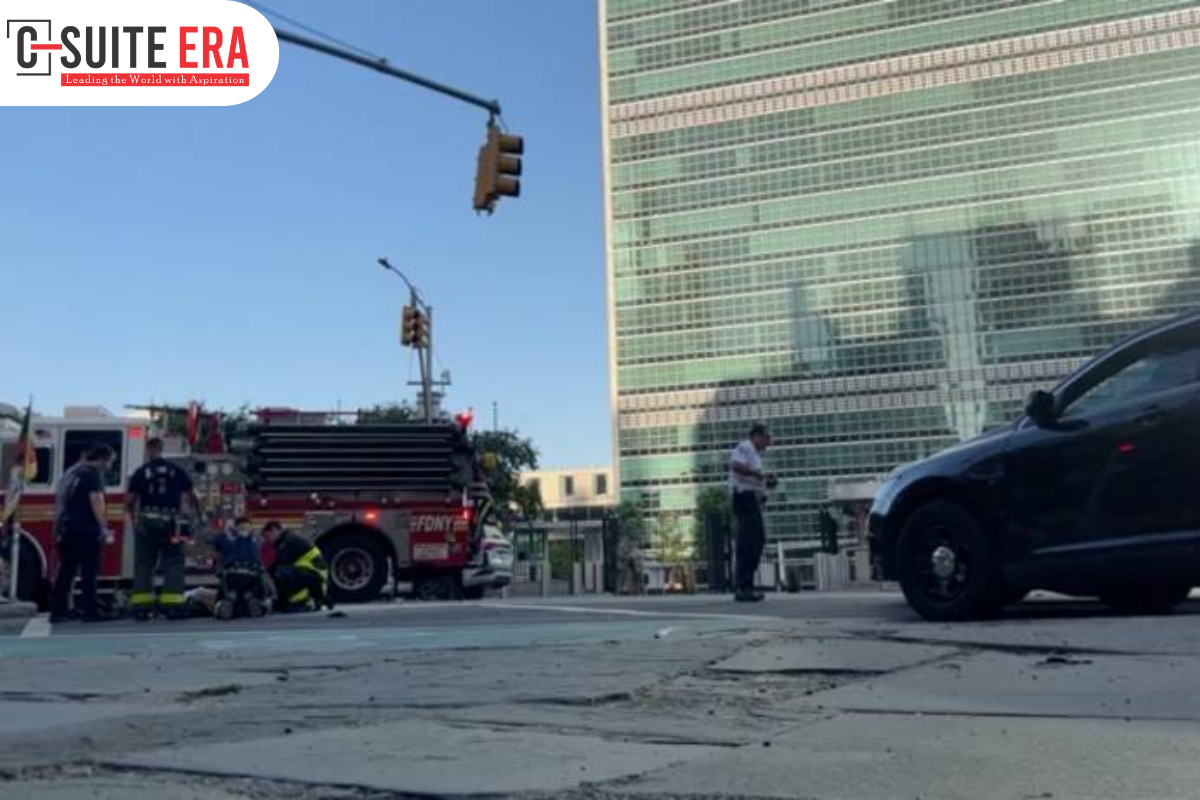
1. Protest Outside UN Ends in Tragedy
A Tibetan activist died after setting himself on fire near the United Nations headquarters in New York City, in an act that activists described as a protest against Chinese rule in Tibet.
According to Reuters, the incident occurred on the evening of July 2 near the UN complex in Manhattan. Officers from the New York City Police Department responded to an emergency call at approximately 6:30 p.m. and found the man suffering from severe burns. He was transported to Bellevue Hospital, where he later died from his injuries. Police said an investigation is ongoing and did not immediately release the man’s identity.
Exiled Tibetan activists and the media outlet Voice of Tibet identified the deceased as Logba Rangzen stating that he had set himself on fire while making a public appeal for Tibetan independence and unity. Witnesses reported that the protest took place near one of the world’s most prominent diplomatic locations, drawing immediate attention from emergency responders and bystanders.
A spokesperson for the United Nations said the incident occurred outside UN property after official meetings had concluded for the day and did not disrupt the organization’s operations. Nevertheless, the location of the protest ensured that it quickly attracted international attention.
Authorities have not announced whether any additional evidence, including written statements or recordings, was recovered at the scene. The investigation remains focused on determining the full circumstances surrounding the incident.
2. Self-Immolation Reflects a Longstanding Form of Tibetan Protest
The protest has renewed international attention on the decades-long political and human rights dispute surrounding Tibet.
Self-immolation has become one of the most dramatic forms of protest used by some Tibetans opposing Chinese rule. Since 2009, more than 150 Tibetans—including monks, nuns, and civilians—have reportedly carried out similar acts, according to Tibetan advocacy organizations. Many protesters have called for greater religious freedom, the preservation of Tibetan culture, and increased autonomy or independence for Tibet.
China has governed Tibet since the 1950s and maintains that the region is an inseparable part of the country. Beijing argues that its policies have improved economic development, infrastructure, education, and living standards in Tibet while rejecting allegations of cultural repression. Chinese authorities have consistently condemned self-immolations, describing them as criminal acts encouraged by separatist organizations.
Tibetan advocacy groups, however, argue that such protests reflect growing frustration over restrictions on religious practice, cultural identity, and political freedoms. They contend that many Tibetans feel they have limited opportunities to express dissent peacefully, making symbolic acts of protest more likely to attract international attention.
The Dalai Lama, Tibet’s exiled spiritual leader, has previously expressed sorrow over self-immolation protests while stopping short of encouraging them. He has instead called for dialogue and peaceful solutions to address longstanding tensions between Tibetans and the Chinese government.
3. Incident Highlights Continuing International Debate Over Tibet
The protest comes at a time when international attention on Tibet has increased because of ongoing concerns over human rights, religious freedom, and cultural preservation.
Governments and human rights organizations have periodically raised concerns about restrictions in Tibetan regions, Tibetan Activist while China has repeatedly rejected accusations of abuses and characterized foreign criticism as interference in its internal affairs. The differing narratives continue to shape international discussions about Tibet’s future.
For Tibetan advocacy organizations, demonstrations outside internationally recognized institutions such as the United Nations are intended to draw global awareness to issues they believe receive insufficient international attention. The choice of location reflected an effort to reach diplomats, policymakers, and the global media simultaneously.
The Tibetan Activist death of Logba Rangzen has prompted expressions of grief among Tibetan communities in exile, with activists describing him as someone deeply committed to the cause of Tibetan self-determination. Advocacy groups have called for renewed international engagement on Tibet and urged governments to continue raising human rights concerns in diplomatic discussions with Beijing.
Chinese officials have consistently maintained that Tibet enjoys stability and economic progress under Beijing’s administration and have opposed international efforts that they believe support separatist movements. As a result, Tibet remains one of the most sensitive issues in China’s foreign relations.
As investigators continue examining the circumstances surrounding the incident, the protest has once again highlighted the enduring political and humanitarian questions surrounding Tibet. While the act itself ended in tragedy, it has renewed international discussion over one of the world’s longest-running geopolitical disputes, underscoring the continuing divide between competing narratives about Tibet’s past, present, and future.
Also Read : Flávio Bolsonaro Heads to Washington as Brazil Pushes Back Against Proposed US Tariffs