Chip Giants Turn Down KEPCO Proposal
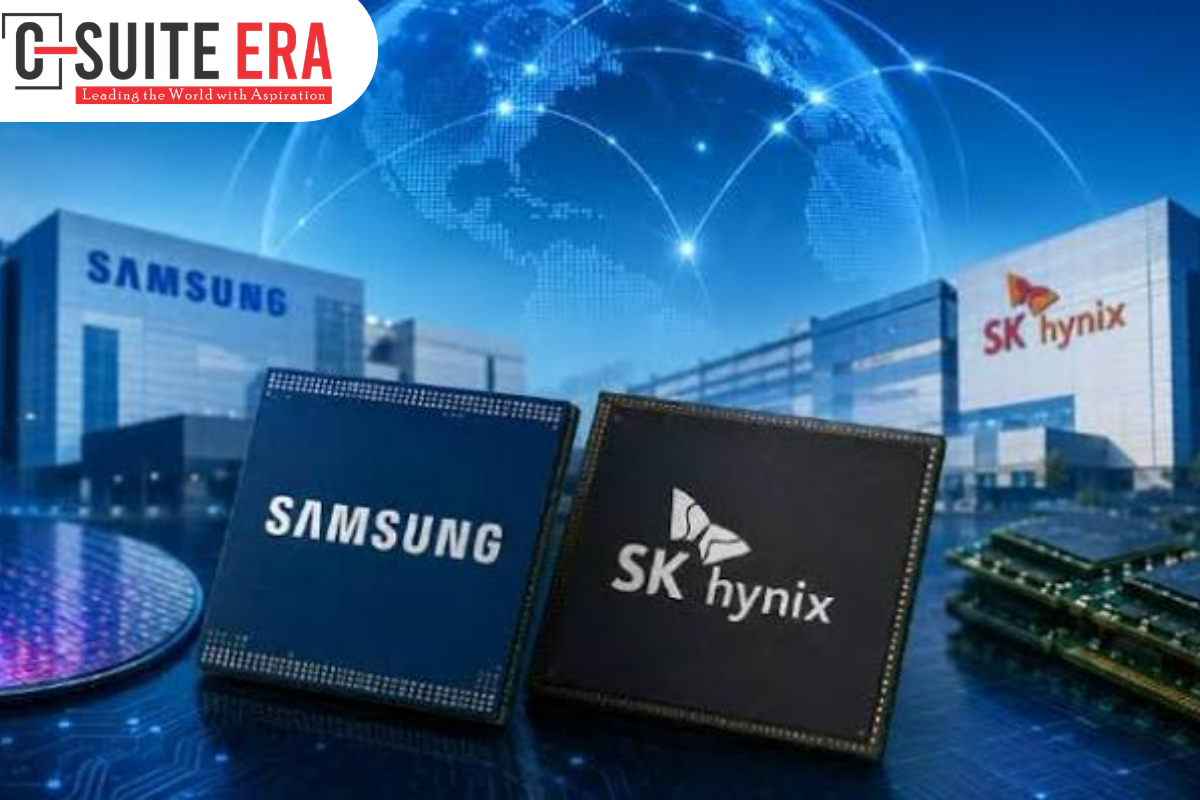
Samsung Electronics and SK Hynix have rejected a proposal from South Korea’s state-run Korea Electric Power Corp. to make a combined upfront payment of about 25 trillion won, or roughly $18.7 billion, toward future electricity costs.
The proposal was designed to help finance the expansion of the country’s power grid as South Korea prepares for a major increase in electricity demand from semiconductor manufacturing.
Five Years of El ectricity Costs Would Have Been Paid Upfront
Under the proposal, Samsung would have prepaid around 20 trillion won, while SK Hynix would have contributed approximately 5 trillion won.
The amounts were based broadly on the companies’ electricity payments from the previous year and would have covered several years of future power consumption.
KEPCO wanted to use the funds to accelerate construction of transmission lines and substations needed to support large semiconductor production clusters.
Yongin Semiconductor Cluster Creates Massive Power Demand
South Korea is investing heavily in semiconductor manufacturing capacity, including the large-scale chip cluster being developed around Yongin.
These facilities require enormous and reliable electricity supplies. Semiconductor fabrication plants operate continuously and can suffer significant losses from power interruptions.
Expanding the electricity network ahead of new factories is therefore becoming an important part of South Korea’s strategy to maintain its position as a global semiconductor manufacturing center.
Chipmakers See Too Much Financial Risk
Samsung and SK Hynix supported the broader objective of strengthening power infrastructure but concluded that paying several years of electricity costs in advance would create too large a financial commitment.
The semiconductor industry is highly cyclical. Strong memory-chip demand has significantly improved the companies’ earnings and cash generation, but market conditions can change rapidly.
Committing tens of trillions of won based on expectations of sustained demand could reduce financial flexibility if the chip cycle weakens.
AI Boom Has Strengthened Semiconductor Demand
The current semiconductor upcycle has been driven largely by demand for memory products used in artificial intelligence infrastructure.
Samsung and SK Hynix have benefited from strong demand for advanced memory technologies, particularly products required for AI computing systems.
However, the companies still face the possibility of fluctuations in chip prices, customer demand and investment cycles.
That uncertainty makes long-term cash commitments more difficult to justify, even during a period of strong profitability.
KEPCO Faces the Challenge of Funding Grid Expansion
KEPCO’s proposal reflects a broader challenge facing South Korea.
The country’s semiconductor ambitions require enormous amounts of electricity, while building new transmission infrastructure requires substantial capital and long lead times.
The utility therefore needs to find ways to finance infrastructure expansion without placing an excessive burden on its own finances.
The rejection means KEPCO will have to consider alternative funding arrangements as it works to meet the power requirements of the country’s expanding chip industry.
South Korea’s Semiconductor Strategy Depends on Reliable Power
Electricity availability has become a strategic issue for South Korea’s semiconductor sector.
The country is competing with the United States, Taiwan, Japan and other major technology economies to attract and expand advanced chip manufacturing.
Reliable electricity infrastructure is just as important as access to advanced equipment, skilled workers and semiconductor research.
Any delay in grid expansion could potentially affect the pace at which new manufacturing facilities become operational.
Companies Prefer Financial Flexibility
The decision by Samsung and SK Hynix illustrates how major manufacturers are approaching infrastructure investment in an uncertain market.
Even companies benefiting from strong demand are reluctant to lock up large amounts of cash for costs that could otherwise be paid gradually.
Maintaining liquidity gives companies greater flexibility to invest in new technologies, expand production capacity and respond to changes in global demand.
Power Infrastructure Becomes a New Bottleneck
South Korea’s semiconductor expansion is creating a situation in which electricity infrastructure could become a limiting factor for industrial growth.
The country has the manufacturing expertise and technology needed to expand chip production, but new factories cannot operate at scale without sufficient power capacity.
KEPCO’s proposal shows the scale of the challenge. At the same time, Samsung and SK Hynix’s rejection demonstrates that the cost of solving that infrastructure problem cannot simply be transferred to manufacturers.
A Financing Debate That Could Shape Korea’s Chip Future
The disagreement between KEPCO and the country’s two leading semiconductor manufacturers highlights a larger question about who should finance the infrastructure required for South Korea’s technology ambitions.
Samsung and SK Hynix remain committed to expanding semiconductor production, but they want to preserve flexibility over their capital spending.
KEPCO, meanwhile, needs substantial funding to expand the grid fast enough to support that growth.
How South Korea resolves this financing gap could become increasingly important as AI-driven semiconductor demand pushes manufacturers toward larger facilities and higher electricity consumption.
The country’s chip ambitions may depend not only on building more factories, but also on finding a sustainable way to power them.
Also Read :– C SuiteEra Magazine For mroe inforamtion