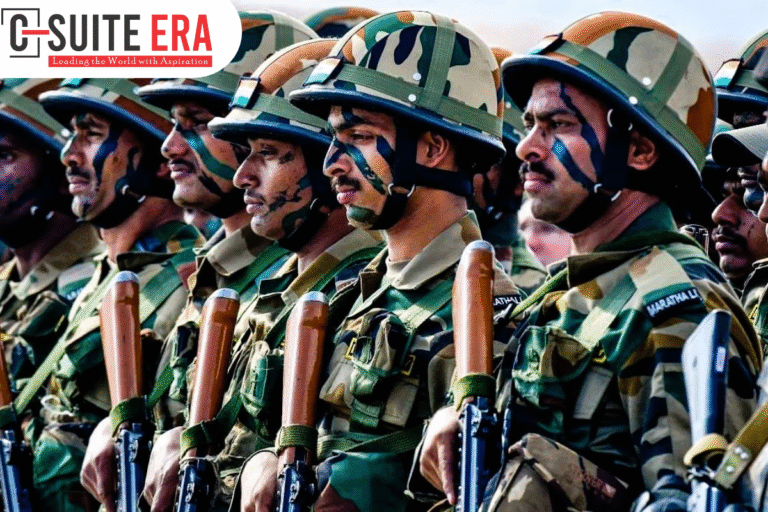


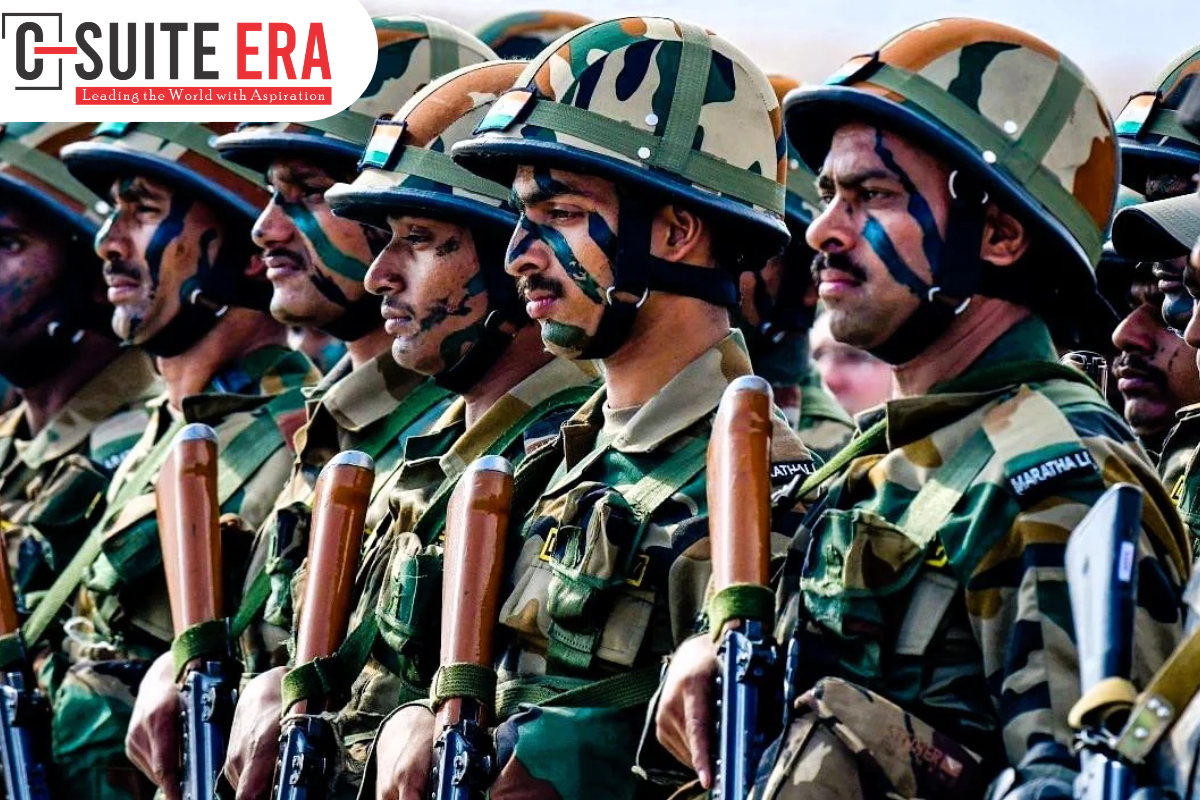
Leadership styles in the military are shaped by the need to maintain discipline, coordinate teams, make decisions under pressure, and accomplish clearly defined objectives. Military leadership is not limited to giving orders. Effective leaders must understand their personnel, communicate expectations, manage resources, and adapt their approach to changing circumstances. Different situations may require different leadership styles, depending on the mission, team, level of risk, and experience of those involved.
Understanding Military Leadership
Military organizations operate within structured systems of authority and responsibility. Leaders are expected to provide direction while maintaining accountability and professional standards. At the same time, successful units depend on trust, teamwork, initiative, and communication.
A leader may therefore use a more directive approach when circumstances demand immediate action, while adopting a collaborative approach when time allows personnel to contribute ideas and solve problems together.
Common Military Leadership Styles
1. Authoritarian Leadership
Authoritarian leadership places significant decision-making responsibility with the leader. Instructions are generally clear and direct, with limited discussion before action.
This approach can be useful when decisions must be made quickly or when personnel have limited experience with a particular task. However, excessive reliance on this style can reduce opportunities for team members to develop initiative and independent judgment.
2. Democratic Leadership
Democratic leadership involves personnel in decision-making when circumstances permit. Leaders may seek opinions, encourage discussion, and consider different perspectives before reaching a decision.
This approach can strengthen engagement and help team members understand the reasoning behind decisions. It is generally more practical when there is sufficient time for consultation.
3. Transformational Leadership
Transformational leaders focus on motivating personnel around a shared purpose. They encourage professional development, responsibility, confidence, and commitment to organizational objectives.
Within military environments, this style can contribute to morale and long-term team development by encouraging personnel to understand not only what they are expected to do but also why their contribution matters.
4. Transactional Leadership
Transactional leadership emphasizes clearly defined expectations, responsibilities, rewards, and consequences. Personnel understand what is required and how performance will be evaluated.
This approach can be effective in environments where consistency, accountability, and adherence to established procedures are particularly important.
5. Situational Leadership
Situational leadership recognizes that no single approach is appropriate for every circumstance. A leader may adjust their behavior based on the experience of the team, urgency of the situation, complexity of the task, and level of supervision required.
For example, an inexperienced team may require more guidance, while an experienced team may perform better when given greater autonomy.
Communication and Trust
Regardless of the leadership approach, communication remains a central component of military leadership. Clear instructions reduce misunderstandings, while active listening allows leaders to identify concerns and understand the perspectives of their personnel.
Trust is equally important. Personnel need confidence that their leaders will communicate honestly, make decisions responsibly, and remain accountable for their actions. Leaders also need to trust their teams to carry out responsibilities effectively.
Developing Effective Military Leaders
Leadership development often involves formal education, practical experience, mentoring, feedback, and increasing responsibility. Leaders can strengthen their effectiveness by learning from both successful and unsuccessful decisions.
Self-awareness is particularly important. Understanding one’s own strengths, limitations, communication habits, and decision-making tendencies can help a leader determine when a particular leadership approach is appropriate.
Conclusion
Leadership styles in the military encompass a range of approaches, including authoritarian, democratic, transformational, transactional, and situational leadership. Each style has different characteristics and may be appropriate under different circumstances. Effective military leadership ultimately involves balancing authority with communication, accountability with trust, and immediate operational requirements with long-term development. The ability to adapt while maintaining clear objectives and professional standards is an important element of effective leadership.
Also Read :- 10 Common Leadership Mistakes That Can Hold Leaders Back