


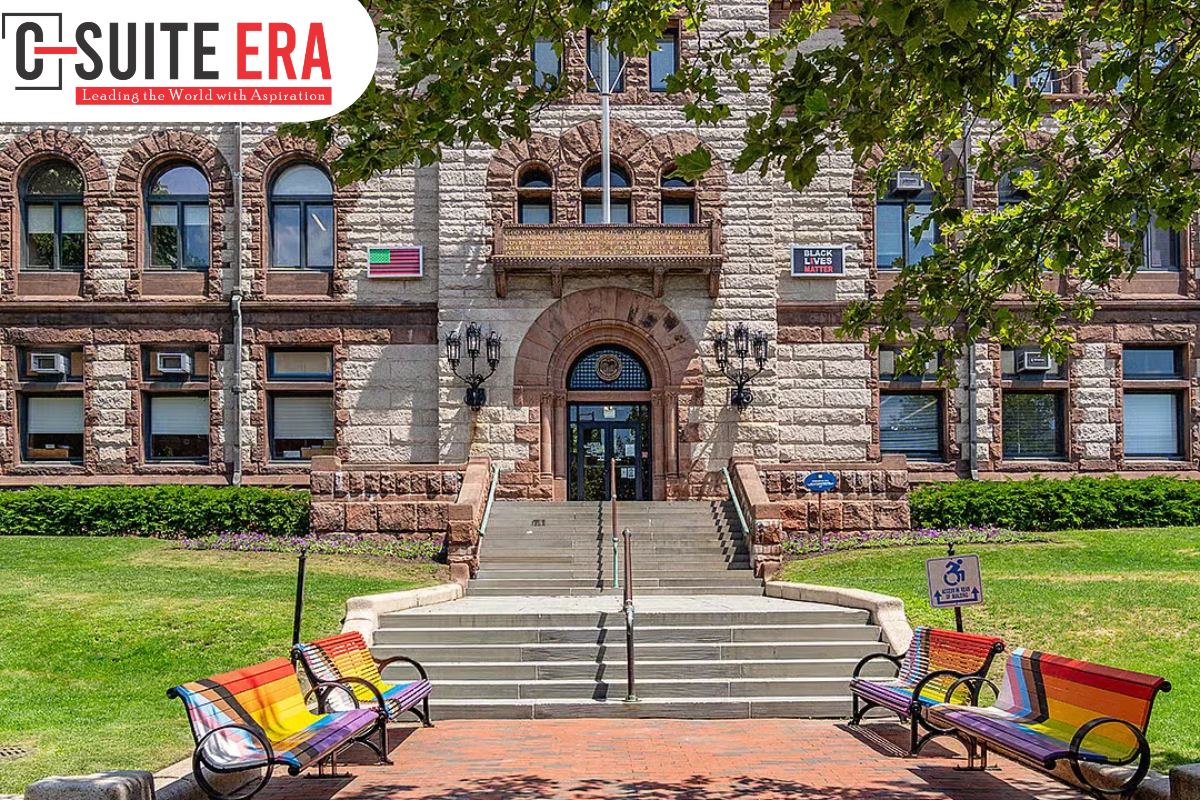
The Most Liberal Cities in the US are known for their progressive political cultures, diverse communities, and support for policies addressing social equality, environmental protection, public services, and individual rights. Across the country, several major cities have developed reputations for embracing liberal ideas through local government initiatives, community activism, cultural institutions, and public policy debates.
Although political beliefs vary within every city, some urban areas consistently demonstrate stronger support for Democratic candidates and progressive policy priorities. Their political identities are influenced by factors such as population diversity, educational attainment, economic structure, housing affordability, and the presence of universities and technology industries.
Understanding the Most Liberal Cities in the US provides insight into how political values influence local governance, economic development, public transportation, climate initiatives, and everyday life. From the West Coast to the Northeast, these cities offer different examples of how progressive ideals translate into urban policies and community experiences.
What Makes a Most Liberal Cities in the US?
A city’s political character cannot be determined by a single election or policy. Researchers and political analysts typically examine voting patterns, party affiliation, public opinion, and local government decisions to understand its ideological orientation.
Liberal cities often support policies related to LGBTQ+ rights, reproductive freedom, racial equality, environmental sustainability, affordable housing, and access to healthcare. Many also invest in public transportation, renewable energy, and social services, although the extent and effectiveness of these initiatives differ considerably.
Population demographics also play a role. Cities with large student populations, highly educated residents, international communities, and employment concentrated in technology, research, media, or creative industries often lean toward Democratic candidates. However, these characteristics do not automatically make every resident politically liberal.
The Most Liberal Cities in the US
1. San Francisco, California
San Francisco is frequently associated with progressive politics, social activism, and cultural diversity. The city has a long history of advocacy for LGBTQ+ rights, environmental protection, and civil liberties, making it an influential center of progressive political movements.
Its local political debates frequently focus on housing affordability, homelessness, public transportation, climate action, and economic inequality. The city’s technology sector and internationally connected population contribute to its distinctive political environment, although disagreements over public safety, development, and homelessness demonstrate that liberal communities are not politically uniform.
2. Seattle, Washington
Seattle has established a strong reputation for progressive politics, supported by an active civic culture and a substantial technology and research economy. The city frequently debates policies concerning workers’ rights, environmental sustainability, housing costs, and public services.
Climate-conscious transportation planning and investments in urban infrastructure are important parts of Seattle’s policy discussions. Its political landscape also reflects tensions between rapid economic growth and the increasing cost of living, particularly for lower-income households and people seeking affordable housing.
3. Portland, Oregon
Portland is widely recognized for its progressive community culture, environmental awareness, and support for alternative transportation. Cycling infrastructure, public transit, urban green spaces, and sustainability initiatives feature prominently in the city’s civic identity.
Local political conversations often address housing affordability, land-use planning, homelessness, and public safety. Portland’s reputation for grassroots activism and community participation has helped shape its image as a center of progressive urban policy, while its residents continue to debate how best to address persistent social and economic challenges.
4. Boston, Massachusetts
Boston combines a long political history with a modern economy driven by higher education, healthcare, biotechnology, and research. Its universities and internationally diverse professional communities contribute to a political environment that generally favors Democratic candidates.
The city places considerable attention on educational opportunity, public transportation, healthcare access, and housing development. At the same time, high housing costs and economic disparities remain significant issues, illustrating the challenges that progressive administrations face when attempting to make prosperous cities more inclusive.
5. Washington, D.C.
Washington, D.C., stands out for its consistently Democratic voting patterns and its concentration of public policy organizations, advocacy groups, universities, and international institutions. Political discussions are deeply connected to national debates about civil rights, immigration, healthcare, climate policy, and economic opportunity.
The district’s local priorities include public education, housing affordability, transportation, and neighborhood development. However, its distinctive status as the nation’s capital means that local governance is shaped not only by city officials but also by the federal government and Congress.
6. New York City, New York
New York City is one of the country’s most culturally diverse urban centers and an influential hub for progressive politics. Its residents represent a broad range of backgrounds, occupations, and political viewpoints, but the city generally votes strongly Democratic in national elections.
Issues such as affordable housing, public education, labor protections, immigration, public transportation, and economic inequality occupy central positions in political discussions. The city’s size and diversity also produce substantial ideological differences between neighborhoods, making its political identity more complex than a single label suggests.
7. Los Angeles, California
Los Angeles has a strong Democratic voting tradition and a political culture shaped by immigration, entertainment, international business, and a diverse population. Progressive priorities frequently include workers’ rights, environmental protection, housing, public transportation, and access to public services.
The city has also faced difficult debates surrounding homelessness, housing shortages, and the cost of living. These challenges have made local policy discussions increasingly focused on balancing social programs, economic growth, infrastructure investment, and neighborhood concerns.
8. Minneapolis, Minnesota
Minneapolis has a long tradition of civic engagement, labor organizing, and support for public services. Its political culture often emphasizes social equity, environmental sustainability, public transportation, and community participation in government.
The city has also been central to national conversations about policing, racial justice, and public accountability. These debates have influenced local elections and policy decisions, while highlighting the difficulty of addressing systemic inequalities amid competing community expectations.
9. Berkeley, California
Berkeley is particularly well known for its history of student activism, academic debate, and civil rights movements. The presence of the University of California, Berkeley, has helped create a political environment in which environmental protection, social justice, and civil liberties receive substantial attention.
Local discussions frequently address sustainable development, affordable housing, public transit, and access to education. Berkeley’s political identity has been shaped by decades of grassroots organizing, although residents continue to disagree over how progressive goals should be implemented in practice.
10. Austin, Texas
Austin offers an interesting example of a liberal-leaning city within a state that generally votes Republican in statewide elections. Its large university population, technology sector, creative industries, and expanding professional workforce have contributed to its Democratic political orientation.
Environmental sustainability, public transportation, housing affordability, and civil liberties remain important subjects in local policy discussions. However, Austin’s rapid population growth has created pressures on infrastructure and housing, while state-level decisions sometimes conflict with the priorities of its local leadership.
Common Characteristics of Most Liberal Cities in the US
Despite their geographic and economic differences, many of the Most Liberal Cities in the US share several characteristics.
Support for social equality: Many have active organizations and public initiatives focused on civil rights, LGBTQ+ protections, racial equity, and inclusion.
Environmental priorities: Climate action, renewable energy, public transportation, recycling, and urban green spaces frequently feature in local policy agendas.
Diverse populations: Immigration, international business, universities, and varied employment opportunities contribute to cultural diversity and different political perspectives.
Public-service investment: Education, healthcare access, housing programs, and community services are recurring subjects in municipal elections and budget debates.
Active civic participation: Community organizations, advocacy groups, student movements, and local campaigns often play important roles in shaping political discussions.
These characteristics are broad tendencies rather than universal rules. Liberal cities differ in their budgets, policy outcomes, administrative capacity, and residents’ expectations.
How Liberal Cities Influence National Politics?
Large liberal cities have a significant influence on national political conversations because they concentrate voters, media organizations, universities, advocacy groups, and major employers. Local initiatives can become models for policies debated at the state and federal levels.
For example, municipal climate programs can influence wider discussions about clean energy and sustainable transportation. Local housing initiatives can shape debates over zoning reform and affordable development, while civil rights campaigns can draw national attention to questions of equality and government accountability.
However, cities cannot independently determine every policy affecting their residents. State legislation, federal funding, judicial decisions, and economic conditions can limit local authority. This is especially evident in cities whose political preferences differ from those of their state governments.
Challenges Facing Progressive Cities of Most Liberal Cities in the US
Progressive political leadership does not automatically guarantee successful public policy. Many liberal cities face serious challenges involving housing affordability, homelessness, income inequality, public safety, and access to essential services.
High demand for housing can push rents and property prices beyond the reach of many residents. Rapid economic growth may generate employment opportunities while increasing pressure on transportation networks and public infrastructure. Cities must also balance environmental objectives with the needs of businesses, commuters, and households.
Another challenge is translating political promises into measurable results. Policies designed to improve equality or expand public services require adequate funding, effective administration, and public support. The experiences of liberal cities therefore demonstrate that political ideology matters, but implementation and accountability are equally important.
Conclusion
The Most Liberal Cities in the US reflect a wide range of progressive traditions, from San Francisco’s history of social activism to Seattle’s environmental priorities, Berkeley’s student-led movements, and Austin’s liberal-leaning urban culture. Cities such as Boston, New York, Los Angeles, Minneapolis, Portland, and Washington, D.C., also demonstrate how political values influence local debates about housing, education, civil rights, transportation, and economic opportunity.
There is no single definition of a liberal city, and political rankings can change depending on whether they measure election results, public opinion, policy decisions, or residents’ ideological beliefs. Nevertheless, these urban centers remain important settings for debates about the future of American society.
Ultimately, understanding the Most Liberal Cities in the US requires looking beyond political labels to examine the policies, institutions, and community priorities that shape urban life. Their experiences offer valuable insight into both the opportunities and the challenges of translating progressive principles into practical governance.
Also Read – How Many States are in USA: Complete Guide