
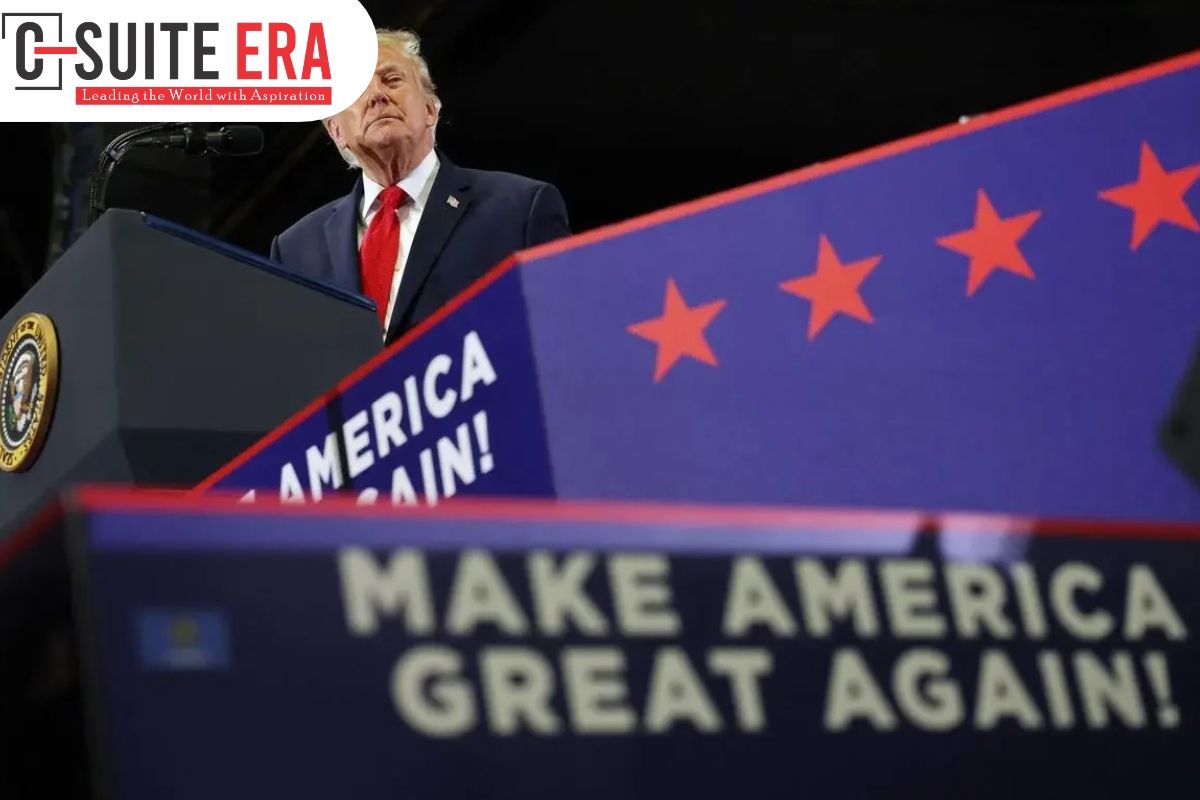
WASHINGTON, October 17, 2026 — President Donald Trump is confronting increasing pressure to demonstrate that his political influence can translate into electoral victories as Republican Unease approach a decisive midterm contest, with concerns over economic conditions, campaign strategy and internal coordination threatening the party’s hold on Congress.
The November 3 elections will test the strength of the Republican Unease coalition nearly two years into Trump’s second presidency. Although the president is not seeking election himself, the outcome could significantly shape the remainder of his term, determining whether his administration can continue advancing its legislative priorities or must contend with a more assertive Democratic opposition.
Recent polling has raised concerns among Republican Unease about their prospects in the House of Representatives, where Democrats appear increasingly competitive. The Senate contest remains uncertain, leaving party leaders with limited room for complacency as campaigns enter their final weeks.
Trump has responded by intensifying his public campaigning and urging supporters to treat the congressional elections as a personal referendum on his leadership. However, mounting questions about the effectiveness of the Republican campaign operation have exposed disagreements within the president’s political circle.
Campaign Strategy Comes Under Scrutiny
At the centre of the growing tension are questions about how Republican Unease campaign resources have been allocated and whether the party’s messaging is connecting with voters in competitive districts.
Trump has reportedly expressed dissatisfaction with the performance of his political operation, particularly the relationship between campaign expenditure and the results reflected in opinion polls. The president’s allies have invested heavily in efforts to protect Republican candidates, yet the anticipated improvement in their electoral position has not materialised consistently.
MAGA Inc., the political action committee associated with Trump, has spent approximately $200 million on political activities, according to public records cited in recent reporting. The scale of that investment has intensified scrutiny of campaign decisions, fundraising priorities and the effectiveness of voter outreach.
The internal disagreements extend to senior figures responsible for coordinating political operations. James Blair, a longtime Trump adviser who leads MAGA Inc., has faced criticism over campaign management, while White House Chief of Staff Susie Wiles has encountered questions about her supervision of the broader political effort.
The disagreements reflect a deeper challenge for the Republican Party: converting the president’s personal appeal into support for congressional candidates whose fortunes may depend on local concerns, individual records and voters’ assessments of national conditions.
White House spokesman Davis Ingle rejected suggestions that internal disputes were undermining the administration, describing such assessments as baseless speculation. Blair has also dismissed the criticism, maintaining that Republican leaders should concentrate on securing victories rather than engaging in public disagreements.
Economic Discontent Complicates Republican Prospects
Economic pressures have emerged as a central vulnerability for Republicans heading into the election. Although the administration continues to promote its policy agenda, voters’ concerns about household expenses and the cost of living are creating difficulties for candidates attempting to defend the president’s record.
Trump’s approval ratings have weakened amid dissatisfaction with economic management and the consequences of the conflict involving Iran. Rising energy costs and uncertainty about the direction of national policy have added to the challenges facing Republican campaigns.
These concerns are particularly significant because congressional elections often become a measure of public satisfaction with the party occupying the White House. Voters who supported Trump in 2024 may evaluate Republican Unease candidates differently if they believe their financial circumstances have deteriorated or that the administration has failed to deliver on its promises.
For candidates in closely contested districts, association with the president can therefore offer both advantages and risks. His ability to mobilise committed supporters remains an important asset, but the same connection can expose candidates to criticism of policies they may have limited power to influence individually.
The challenge for Republican Unease strategists is to maintain enthusiasm among the party’s core supporters while persuading less committed voters that another Republican victory would produce tangible improvements in their daily lives.
Also Read :- Trump’s Economy at 18 Months: Resilience Meets Rising Questions Over Long-Term Progress