1. U.S. Economy Shows Strength Despite Multiple Economic Shocks
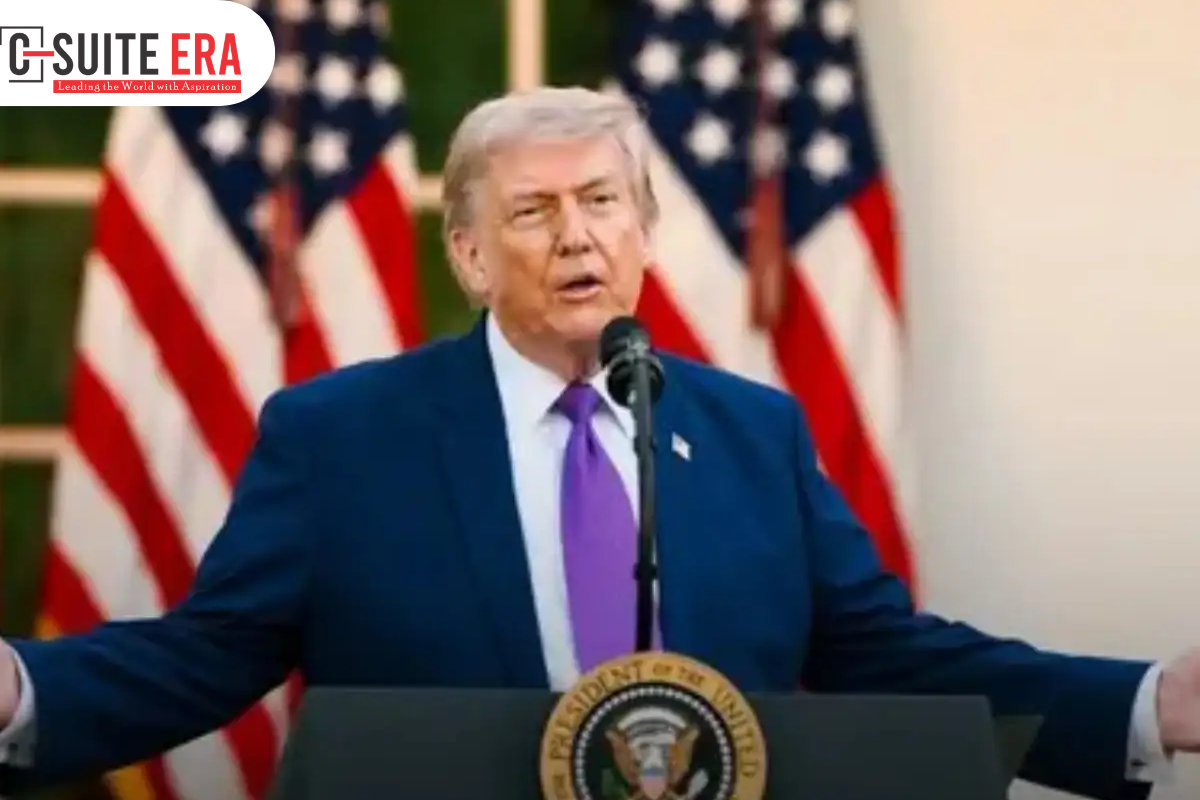
Eighteen months into President Donald Trump’s second term, the U.S. economy has demonstrated resilience in the face of significant domestic and global challenges. However, several of the administration’s key economic promises—including lower living costs, stronger manufacturing employment, and improved affordability—have yet to be fully realized.
According to Reuters, the economy has absorbed a series of major disruptions, including expanded tariffs, stricter immigration policies, and the economic fallout from the recent conflict involving Iran, which temporarily pushed oil prices higher and disrupted global supply chains. Despite these pressures, overall economic activity has remained relatively stable, supported largely by strong business investment and continued growth in the technology sector.
One of the strongest contributors to economic resilience has been the rapid expansion of investment in artificial intelligence (AI) infrastructure. Companies have continued investing heavily in data centers, semiconductor manufacturing, and advanced computing technologies, helping sustain business spending even as uncertainty has weighed on other sectors of the economy.
Financial markets have also reflected investor optimism. Reuters reported that the S&P 500 has risen approximately 25% during Trump’s first 18 months in office, with technology and AI-related companies leading market gains. Corporate bond issuance has also reached elevated levels as businesses continue raising capital to finance large-scale technology investments.
While these indicators point to continued economic resilience, economists note that underlying challenges remain, particularly for households facing higher living costs and limited wage growth after adjusting for inflation.
2. Inflation, Labor Shortages and Affordability Continue to Pressure Households
Despite steady economic activity, many Americans continue to experience financial strain as inflation remains above the Federal Reserve’s long-term target.
Reuters reported that consumer prices have continued rising due to a combination of tariff-related costs, higher energy prices following geopolitical tensions, and sustained demand for AI-related infrastructure. Although inflation has moderated compared with previous peaks, it remains high enough to reduce purchasing power for many households.
Inflation-adjusted disposable income has largely stalled, limiting improvements in household spending power. Economists warn that slower income growth could eventually affect consumer spending, which remains one of the primary drivers of the U.S. economy.
The labor market has also shown signs of slowing. Job growth has moderated over recent months, partly because of a shrinking labor force linked to stricter immigration enforcement and demographic factors such as an aging population. Businesses in industries including construction, agriculture, hospitality, and healthcare continue reporting challenges in filling open positions.
Housing affordability remains another major concern. Elevated mortgage rates, combined with persistently high home prices, have made homeownership increasingly difficult for many Americans. Reuters noted that despite campaign promises to improve affordability, the administration has shown little support for proposed legislation aimed at easing housing costs, leaving affordability pressures largely unchanged.
Meanwhile, manufacturing employment has failed to deliver the broad recovery that many had anticipated. Although domestic manufacturing output has benefited from increased investment in technology and infrastructure, the sector has continued to lose jobs overall since Trump returned to office, highlighting the growing role of automation and productivity improvements within industrial production.
3. Mixed U.S. Economy Record Shapes Outlook for the Months Ahead
The administration’s economic performance presents a picture of both notable achievements and unresolved structural challenges.
Supporters point to strong financial markets, continued corporate investment, expanding AI infrastructure, and an economy that has remained resilient despite international conflicts and significant policy changes. Businesses have generally maintained healthy balance sheets, and investment activity has remained stronger than many economists had expected under higher borrowing costs.
However, economists caution that several of the administration’s central economic objectives remain incomplete. Inflation continues to exceed the Federal Reserve’s 2% target, manufacturing employment has not experienced a sustained revival, and affordability challenges continue affecting millions of households. The combination of slower real income growth and persistent cost pressures has prevented many families from experiencing meaningful improvements in their standard of living.
Looking ahead, policymakers are expected to closely monitor inflation, labor market conditions, consumer spending, and business investment as they assess the economy’s direction during the second half of 2026. Continued investment in artificial intelligence and technology could support future growth, but economists note that broader gains in household income, housing affordability, and employment will be critical for sustaining long-term economic expansion.
The coming months will also test whether recent economic resilience can withstand ongoing geopolitical uncertainty, evolving trade policies, and higher interest rates. While financial markets remain optimistic about technological innovation and corporate earnings, the broader economy continues to face challenges that extend beyond business investment alone.
Eighteen months into Trump’s second term, the U.S. economy reflects a mixed picture—one characterized by resilience in the face of external shocks and strong private-sector investment, but also by persistent affordability concerns, slowing labor market momentum, and questions about whether economic gains are being felt evenly across American households.
Also Read :- Weak US Jobs Report Revives Federal Reserve Debate Over Labor Market Strength