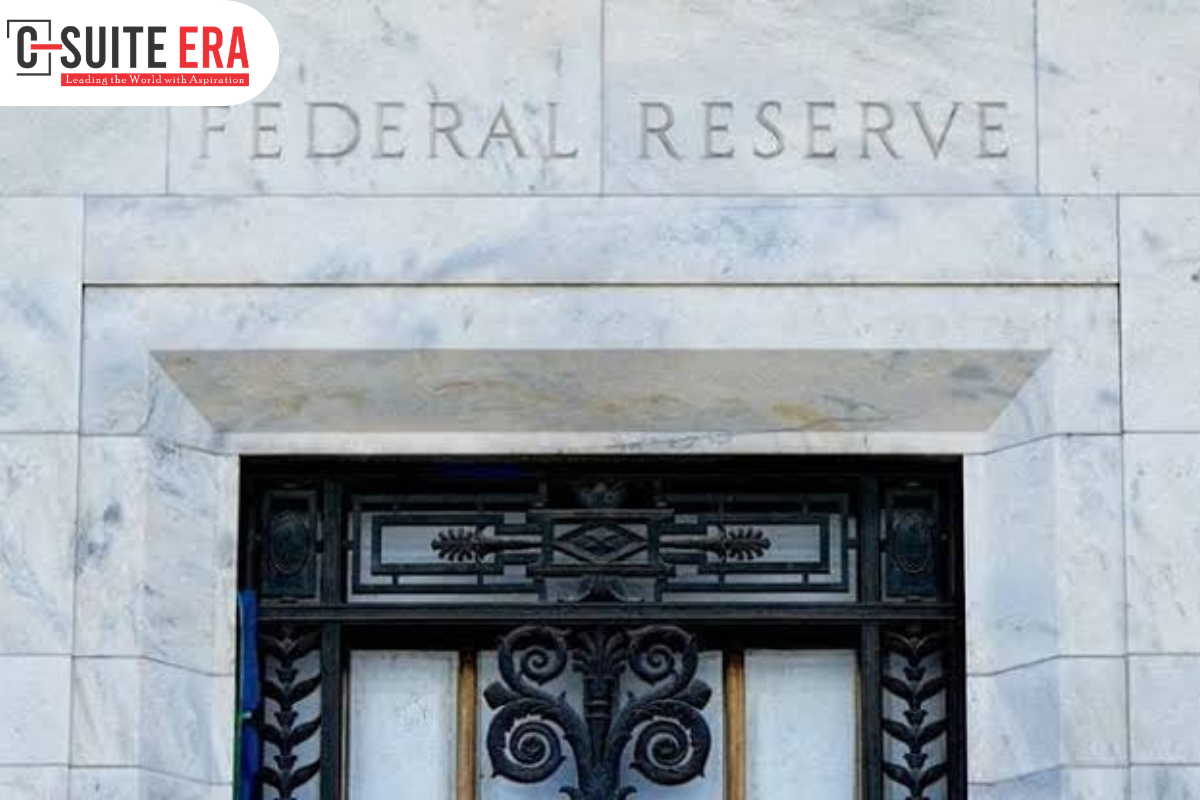
1. Slowing Job Growth Raises Fresh Questions About the US Economy
A weaker-than-expected U.S. employment report has reignited debate within the Federal Reserve over whether the American labor market is beginning to lose momentum due to Weak US Job simply returning to a more sustainable pace after years of strong hiring.
According to Reuters, the U.S. economy added only 57,000 nonfarm jobs in June, significantly below economists’ expectations of roughly 115,000. The report also revised May’s payroll gains downward, suggesting that hiring has slowed more sharply than previously believed.
Despite the disappointing job creation figures, the unemployment rate unexpectedly fell to 4.2% from 4.3%. However, economists cautioned that the decline did not necessarily reflect stronger hiring. Instead, it was largely driven by a reduction in the number of people actively participating in the labor force, with many individuals stopping their job searches altogether.
The Weak US Jobs labor force participation rate declined by 0.3 percentage points, one of the report’s most closely watched indicators. Economists noted that when fewer people are actively seeking employment, they are no longer counted as unemployed, which can reduce the unemployment rate even when hiring weakens.
Reuters reported that the mixed employment data is likely to intensify discussions among Federal Reserve policymakers as they evaluate whether labor market conditions remain strong enough to sustain inflationary pressures or are beginning to soften in ways that could influence future monetary policy.
The latest report arrives after several months of relatively resilient labor market performance, making June’s slowdown an important data point for policymakers attempting to balance employment objectives with ongoing inflation concerns.
2.Weak US Jobs Falling Labor Force Participation Complicates the Economic Picture
While the headline unemployment rate appeared encouraging, economists emphasized that underlying labor market trends present a more complicated picture.
The Weak US Jobs result in decline in labor force participation suggests that fewer Americans are either working or actively looking for jobs. Such shifts can occur for multiple reasons, including retirements, discouragement among job seekers, demographic changes, or personal decisions unrelated to economic conditions. However, when participation falls alongside slowing hiring, it can complicate assessments of labor market health.
Reuters noted that Federal Reserve officials have increasingly debated whether traditional indicators such as the unemployment rate remain sufficient for evaluating employment conditions. Some policymakers argue that broader measures—including participation rates, hiring activity, job openings, and wage growth—provide a more complete assessment of labor market strength.
Recent months had shown signs that the labor market was stabilizing after a prolonged period of exceptionally strong demand for workers. Layoffs remain relatively limited, but hiring has become more selective as businesses respond to higher borrowing costs and economic uncertainty. This combination has created what economists often describe as a “low hiring, low firing” environment.
Some analysts Weak US Jobs believe demographic trends, including an aging population and retirements, continue to influence labor force participation independently of economic conditions. Others argue that slowing hiring may discourage job seekers from remaining active in the labor market, potentially masking underlying weakness in employment conditions.
The differing interpretations illustrate why the latest employment report has become a focal point for policymakers attempting to determine whether recent labor market softness represents a temporary fluctuation or the beginning of a broader slowdown.
3. Federal Reserve Faces Challenging Policy Decisions Ahead
Due to Weak US Jobs mixed employment report is expected to play an important role in upcoming Federal Reserve policy discussions.
The central bank continues to balance its dual mandate of maintaining maximum employment while keeping inflation under control. Slower hiring could reduce inflationary pressure by easing wage growth, but policymakers remain cautious because inflation has not yet fully returned to the Fed’s long-term target.
Financial markets interpreted the report as reducing the likelihood of another interest-rate increase at the Federal Reserve’s July meeting. Reuters reported that investors lowered expectations for a near-term rate hike following the weaker payroll figures, although many still believe additional policy tightening remains possible later in the year if inflation remains persistent.
Federal Reserve officials are expected to closely monitor upcoming reports on inflation, consumer spending, wages, and business activity before making their next policy decision. Economists note that a single month’s employment data rarely determines monetary policy, but June’s report adds to growing evidence that the labor market may be gradually cooling.
For businesses and households, the evolving labor market has significant implications. Slower hiring may reduce opportunities for job seekers, while lower interest-rate expectations could eventually ease borrowing costs for consumers and companies if inflation continues to moderate. At the same time, employers remain cautious about expanding payrolls amid uncertainty surrounding economic growth and global market conditions.
As the Federal Reserve prepares for its next policy meeting, the June employment report has added a new layer of complexity to the economic outlook. Whether the latest figures represent a temporary slowdown or the beginning of a broader shift in labor market conditions will likely become one of the most closely watched questions shaping U.S. monetary policy during the second half of 2026.
Also Read : C Suite Era Magazine For more information