

AI Devices Aim to Move Beyond the Smartphone
Technology companies are increasingly betting that artificial intelligence-powered wearables could become the next major computing platform after smartphones.
Smart glasses, AI pins, pendants and voice-recording devices are being developed to give users hands-free access to digital assistants and AI services. These products can see, hear and respond to the environment around them, creating new possibilities for everyday computing.
But the same features that make the devices useful are creating one of their biggest obstacles. Privacy concerns are spreading among consumers, businesses and regulators, raising questions about whether people will accept AI devices that can constantly observe their surroundings.
Meta’s Smart Glasses Become a Privacy Flashpoint
Meta’s Ray-Ban smart glasses have become one of the most visible examples of the challenge.
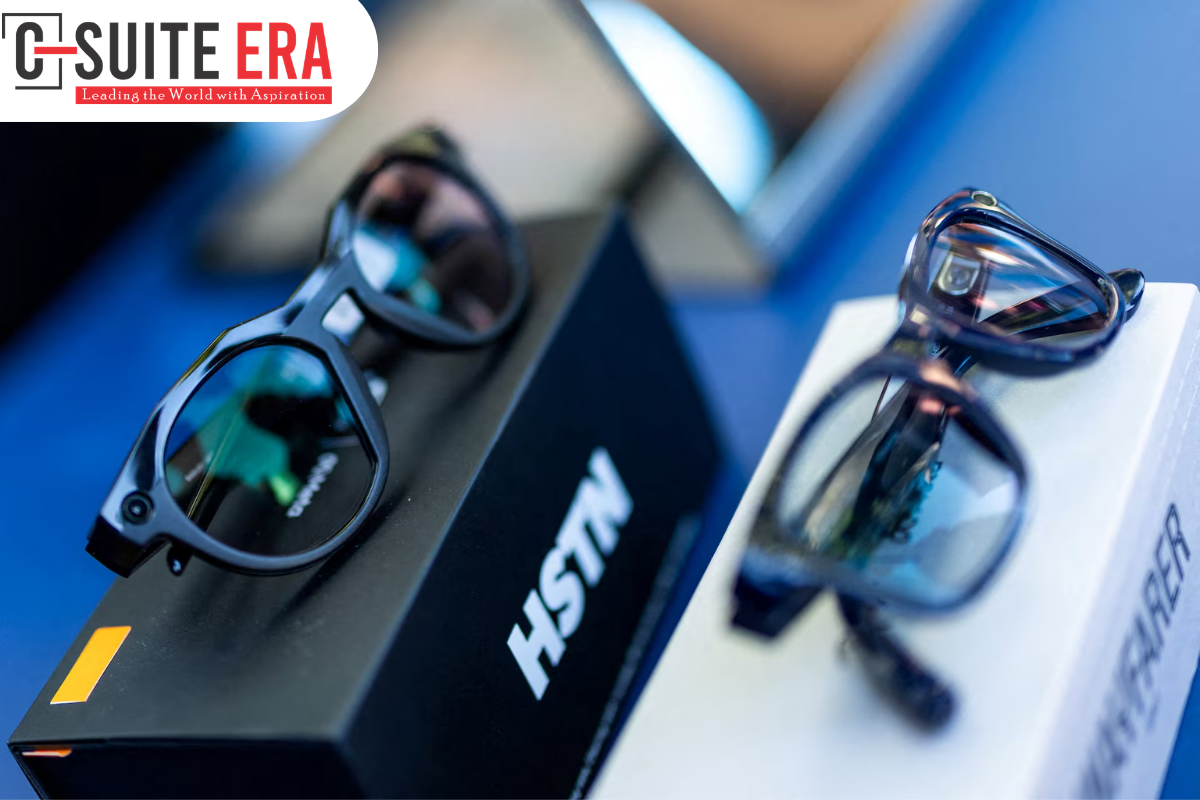
The glasses combine a conventional eyewear design with cameras, microphones and AI capabilities. Their popularity has helped make smart glasses more mainstream, but their ability to capture images and audio has also generated concerns about people being recorded without their knowledge.
Courts are considering privacy-related lawsuits involving the technology, while some users and critics have questioned whether recording indicators provide enough protection in everyday situations.
Several venues in the United Kingdom have also restricted the use of the glasses because of concerns surrounding covert recording.
The Technology Can See and Hear the World Around Users
AI wearables differ from traditional smartphones because they can interact with the user’s surroundings without requiring the user to actively hold a device.
A camera-equipped pair of glasses can identify objects, capture images and provide information through an AI assistant. Microphones can allow users to communicate with the system through voice commands.
That creates a more natural interaction with technology, but it also creates a difficult privacy question.
The person wearing the device may have agreed to recording or analysis, but people nearby may not have given any consent.
Manufacturers Are Exploring Different Device Designs
Companies are testing several approaches to make AI hardware more acceptable.
Instead of relying exclusively on camera-equipped glasses, manufacturers are experimenting with AI pins, pendants and small voice recorders that attach to smartphones.
These designs offer different combinations of convenience, functionality and privacy.
Some companies are also finding that businesses are adopting AI wearables more readily than consumers, where controlled environments and clearly defined use cases can make privacy concerns easier to manage.
Samsung Takes a Partnership-Based Approach
Samsung is preparing to enter the smart-glasses market and plans to work with established eyewear brands including Gentle Monster and Warby Parker.
The strategy reflects the importance of making AI hardware feel like a normal consumer product rather than another piece of complicated technology.
Samsung has also emphasized the importance of security and user control as AI becomes capable of handling more tasks.
The company’s approach illustrates a broader industry realization that successful AI hardware will need to combine useful technology with a level of trust that consumers are comfortable with.
OpenAI Bets on Local Processing
OpenAI is also exploring ways to address privacy concerns through technology architecture.
CEO Sam Altman has backed greater use of local processing, which can allow some AI functions to take place directly on a device rather than sending information to remote servers.
That approach could reduce concerns about sensitive recordings and environmental data being transmitted or stored elsewhere.
However, building sufficiently powerful AI systems that can operate locally remains technically challenging, and the industry may need several more years before local processing can address all of the privacy concerns surrounding advanced AI wearables.
Privacy Could Determine Whether the Market Takes Off
The potential market is enormous.
Technology companies see AI wearables as a way to expand beyond the smartphone and create a new category of personal computing.
But adoption will depend on more than hardware design and AI performance.
Consumers need to trust that the devices will not secretly record them, misuse their information or expose sensitive data. Businesses and public venues also need clear rules governing where and how the devices can be used.
Without that trust, privacy concerns could limit adoption even if the technology itself becomes highly capable.
AI Wearables Face a Consent Problem
One of the biggest challenges is that AI devices can affect people who never chose to use them.
A smartphone generally requires someone to interact with it before it captures information. A wearable camera can potentially record people in the background while its owner is simply walking through a public or private environment.
This creates a complicated distinction between the user’s consent and the consent of everyone around them.
Technology companies therefore face pressure to develop clearer recording indicators, stronger controls and policies that make it easier for bystanders to understand when AI devices are active.
The Industry Must Balance Convenience and Trust
AI wearables offer an attractive proposition. Instead of reaching for a phone, users could ask questions, receive directions, identify objects, communicate with others or access information through a device that is already part of what they are wearing.
Yet convenience alone may not be enough.
The history of earlier wearable technologies shows that public acceptance can depend heavily on social norms. A device that feels useful to its owner can still become uncomfortable for everyone around them.
That makes privacy a central product-design issue rather than simply a legal or regulatory problem.
The Next Computing Platform Depends on Public Acceptance
The race to build the next generation of AI hardware is accelerating, with major technology companies experimenting with glasses, pins, pendants and other wearable formats.
The commercial opportunity is significant, but so is the challenge of establishing trust.
Companies that can combine useful AI capabilities with transparent privacy protections may have an easier path toward mainstream adoption. Those that fail to address concerns about recording, consent and data handling could find that privacy becomes the biggest barrier to their products.
The future of AI wearables may therefore depend on more than how intelligently these devices can interact with the world. It may depend on whether people are comfortable with the devices watching, listening and learning from that world in the first place.
Also Read :- Apple Commits Over $30 Billion to Broadcom in Major Push for US Chip Manufacturing