1. Court Clears Path for Thousands of Lawsuits Against Social Media Companies
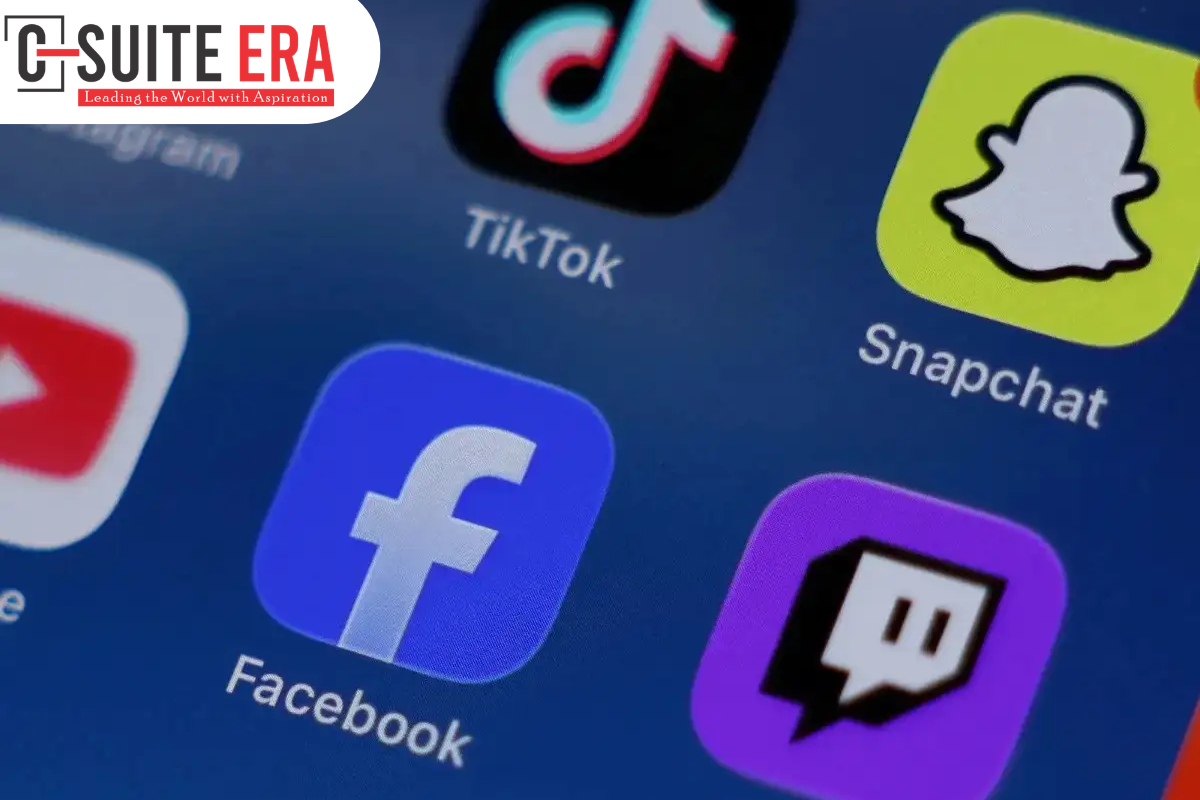
A U.S. Appeals Court federal appeals court has ruled that more than 3,000 lawsuits accusing major social media companies of designing addictive platforms that harm young users can proceed, marking a significant legal setback for the technology industry.
According to Reuters, the Ninth U.S. Circuit Court of Appeals rejected an effort by several social media companies to dismiss the cases at an early stage under Section 230 of the Communications Decency Act, a law that generally protects online platforms from liability for user-generated content. The court concluded that the companies’ appeal was premature because Section 230 serves as a legal defense rather than granting complete immunity from litigation.
The lawsuits allege that platform features such as infinite scrolling, algorithm-driven recommendations, autoplay, and engagement-focused design intentionally encourage excessive use among young people, contributing to mental health issues including anxiety, depression, eating disorders, and self-harm. The companies have denied the allegations and maintain that they have introduced numerous safety tools and parental controls to protect younger users.
2. Ruling Intensifies Legal Pressure on the Tech Industry
The appeals U.S. Appeals Court decision allows the consolidated cases to continue through the judicial process rather than resolving them before trial.
According to Reuters, the ruling also denied a request to delay a separate multistate lawsuit brought by 29 state attorneys general, which alleges that one major social media company illegally collected children’s data and misled the public about the safety of its platforms for younger users. That trial is scheduled to move forward in federal court.
The latest decision follows a series of recent legal developments in which courts and juries have increasingly allowed claims involving social media’s impact on youth mental health to proceed. These cases represent a broader shift toward greater judicial scrutiny of how digital platforms are designed and marketed to younger audiences.
Technology companies continue to argue that many of the claims challenge protected editorial decisions and platform features, while plaintiffs contend that the cases focus on product design rather than user content.
3. Decision Could Shape Future Online Safety Standards
Legal experts believe the ruling could have far-reaching implications for the technology sector and future regulation of digital platforms.
If plaintiffs ultimately succeed, companies may face increased pressure to redesign recommendation systems, strengthen age verification measures, improve parental controls, and reduce features that critics argue encourage compulsive use among minors.
According to Reuters, the U.S. Appeals Court did not determine whether the companies are legally responsible for the alleged harms. Instead, it ruled that the lawsuits may continue through the normal litigation process, where evidence will be examined before any final decisions are reached.
As governments, regulators, and courts continue examining the relationship between social media use and youth mental health, the latest ruling represents another significant milestone in the growing legal debate over platform accountability. The outcome of these cases could influence future industry standards, child online safety regulations, and the responsibilities of technology companies in designing digital platforms for millions of users worldwide.
Also Read :- C Suite Era Magazine for More information