
Historic Proposal Aims to End Mandatory Quarterly Reporting
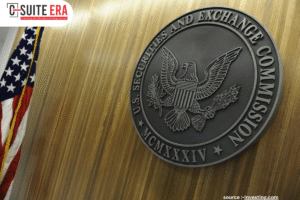
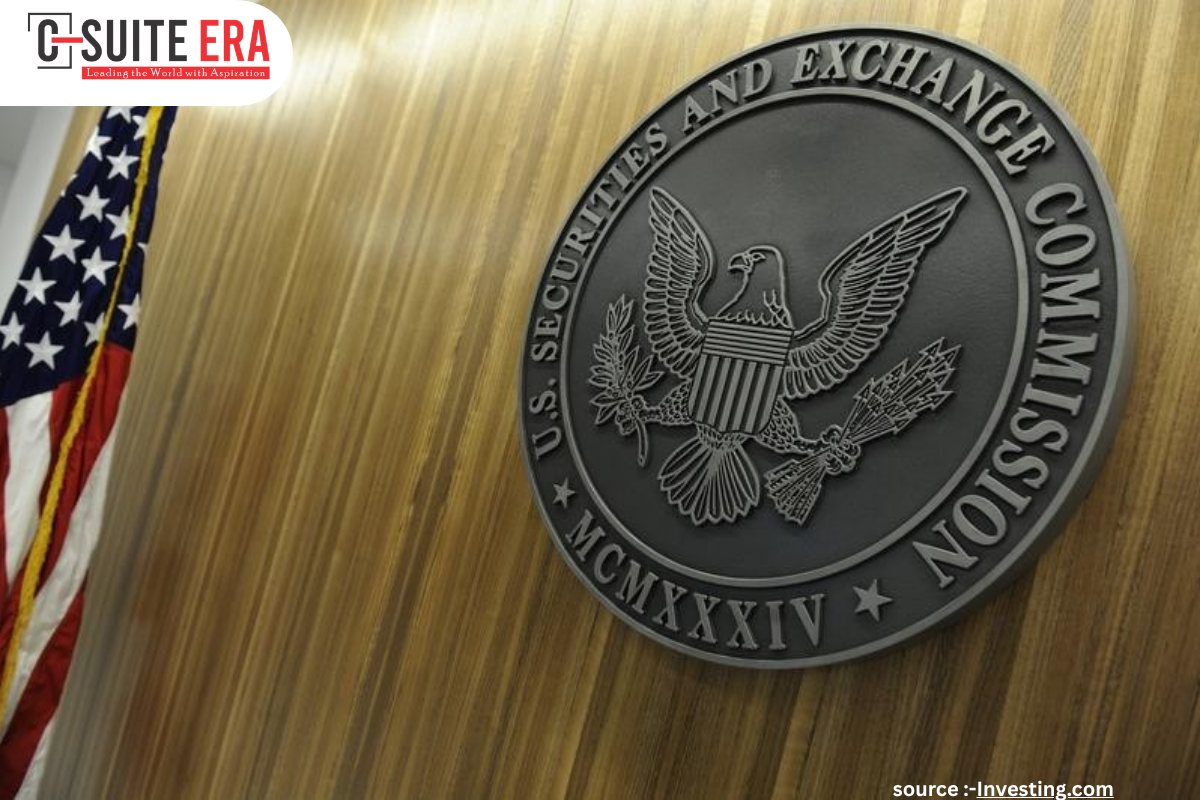
The U.S. Securities and Exchange Commission has introduced a landmark proposal that could fundamentally reshape corporate reporting practices in the United States. The regulator is seeking to allow publicly listed companies to move away from mandatory quarterly earnings reports and instead adopt a semiannual reporting framework.
If implemented, the rule would mark the end of a disclosure structure that has been in place for more than five decades. Under the proposed system, companies would have the option to file financial results twice a year, alongside the standard annual report, rather than submitting three quarterly filings.
SEC Chair Paul Atkins stated that the current framework is overly rigid and limits flexibility for both companies and investors. The proposal is designed to give organizations the ability to align reporting frequency with long-term strategic planning rather than short-term performance cycles.
The initiative also reflects a broader policy direction that has been gaining traction in recent years, including support from political leadership and segments of corporate America advocating for reduced regulatory burdens.
Supporters Cite Cost Reduction and Long-Term Focus
Proponents of the proposed shift argue that quarterly reporting has increasingly driven short-termism in corporate decision-making. Executives often face pressure to meet near-term earnings expectations, which can lead to prioritizing immediate financial results over long-term investment, innovation, and strategic growth.
Major financial institutions, including JPMorgan Chase, have expressed support for the change, noting that quarterly reporting imposes significant administrative costs and operational strain.
The reporting process itself is resource-intensive, requiring extensive internal coordination, auditing, and regulatory compliance. Estimates suggest that companies can spend hundreds of thousands of dollars and significant executive time on each quarterly filing, creating a recurring burden across the financial year.
Supporters also argue that reducing reporting frequency could encourage more companies to go public by easing compliance pressures, particularly for small and mid-sized firms. Exchanges such as Nasdaq have highlighted that quarterly reporting requirements can disproportionately impact smaller organizations with limited resources.
The proposal aligns with practices in several international markets, particularly in Europe, where semiannual reporting is more common and companies often provide periodic updates without strict quarterly mandates.
Critics Warn of Reduced Transparency and Market Volatility
Despite support from corporate stakeholders, the proposal has sparked significant concern among investors, analysts, and sections of Wall Street. Critics argue that reducing reporting frequency could weaken transparency, limit access to timely financial data, and increase uncertainty in capital markets.
Investment firms and hedge funds, including Two Sigma Investments and D. E. Shaw, have raised objections, warning that less frequent disclosures may reduce the flow of critical information used for valuation, risk assessment, and portfolio management.
Analysts also caution that the absence of quarterly checkpoints could lead to larger earnings surprises, potentially increasing stock price volatility. Without regular updates, investors may rely more heavily on speculation or alternative data sources, which could distort market behavior.
There are also Semiannual Reporting concerns about governance and accountability. Critics argue that fewer reporting requirements could create gaps in oversight, making it more difficult to detect financial irregularities or operational issues in a timely manner.
The proposal will now enter a 60-day public comment period, during which stakeholders across the financial ecosystem—including corporations, investors, and regulatory experts—will provide feedback before any final rule is adopted.
As the debate unfolds, the outcome has the potential to redefine the balance between transparency and flexibility in one of the world’s largest capital markets, shaping how companies communicate performance and how investors evaluate corporate value in the years ahead.
Also Read :- C Suit Era Magazine for more information