
Congressional Pressure Intensifies Over Mega Media Merger
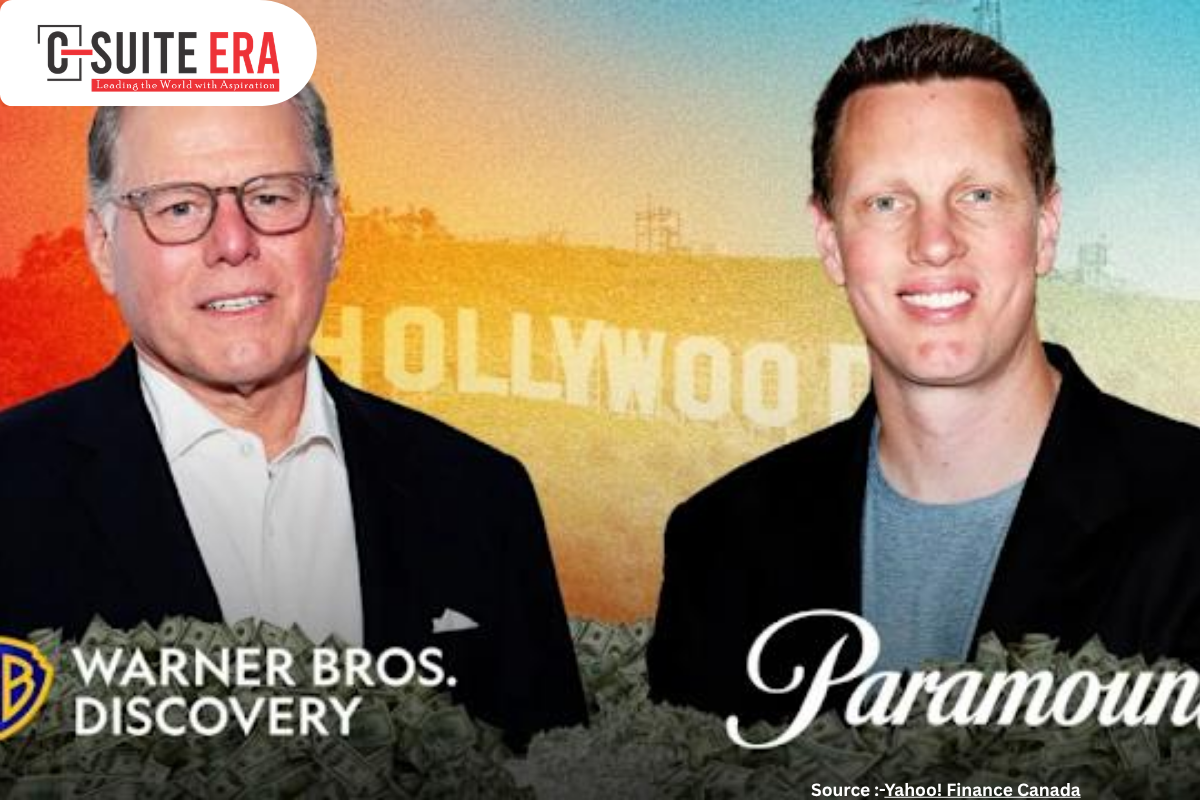
US House lawmakers have formally questioned Paramount CEO David Ellison regarding the company’s proposed acquisition of Warner Bros Discovery, escalating political scrutiny over one of the largest media consolidation deals in recent years. The inquiry, led by Representatives Jamie Raskin and Frank Pallone, focuses on whether the company engaged in any discussions that could tie regulatory approval of the merger to editorial influence over CNN coverage of former President Donald Trump.
According to Reuters reporting, the lawmakers requested clarification on whether Paramount CEO or its leadership made any commitments to alter news coverage in exchange for regulatory clearance of the deal. They also raised concerns that the merger could significantly concentrate media ownership under a single corporate entity, potentially affecting editorial independence across major news networks.
The proposed acquisition between Paramount Skydance and Warner Bros Discovery is valued at approximately $110 billion and would combine a vast portfolio of assets including film studios, streaming platforms, and major television networks such as CNN and HBO. The scale of the deal has placed it under heightened regulatory and political observation from both US and international authorities.
Concerns Over Editorial Independence and Political Influence
At the center of congressional concern is the potential intersection between corporate consolidation and political influence over news content. Lawmakers argue that such a large-scale merger could increase the risk of editorial pressure, particularly if ownership structures align with politically sensitive business or regulatory interests.
In their letter, lawmakers warned that a combined Paramount–Warner Bros entity could “dangerously concentrate media power into a single conglomerate,” raising fears that independent journalistic voices might come under indirect or direct pressure.
The inquiry also follows broader scrutiny of Paramount CEO Skydance’s recent corporate and regulatory engagements, including its interactions with the Federal Communications Commission (FCC) and discussions around foreign investment participation in the merger structure. The deal has reportedly attracted backing from sovereign wealth funds in the Middle East, adding another layer of regulatory sensitivity regarding foreign influence in US media ownership.
Regulators and lawmakers have already signaled that the merger will undergo extensive review due to its potential implications for competition, press independence, and national security considerations.
Broader Antitrust Debate and Future of Media Consolidation
The Paramount–Warner Bros merger has become a focal point in the broader debate over media consolidation in the United States. Critics argue that continued consolidation among major entertainment and news conglomerates risks reducing competition, limiting content diversity, and weakening independent journalism.
Supporters of the merger, however, contend that large-scale consolidation is necessary to compete with global streaming giants and technology platforms that dominate digital distribution. They argue that only larger, vertically integrated media companies can sustain the rising costs of content production and global streaming infrastructure.
The deal has already cleared key shareholder approvals but remains subject to regulatory clearance from the US Department of Justice, the FCC, and international antitrust authorities.
At the same time, lawmakers have signaled that oversight will continue beyond approval stages, particularly if concerns about editorial independence and political influence remain unresolved. Some members of Congress have also requested access to internal communications and regulatory filings related to the merger process, indicating the possibility of deeper investigations into corporate governance practices.
As regulatory scrutiny intensifies, the Paramount–Warner Bros transaction is emerging as a defining case in the evolving relationship between media ownership, political influence, and corporate consolidation. The outcome is likely to shape not only the structure of the US entertainment industry but also future standards for how large media entities are regulated in politically sensitive environments.
Also Read :- C suit Era Magazine for More information