
Fatal Industrial Disaster Unfolds at Washington Packaging Plant
A deadly chemical tank implosion at a pulp and paper mill in Longview, Washington, has left multiple people dead and several others critically injured, marking one of the most serious industrial accidents in the state in recent years.
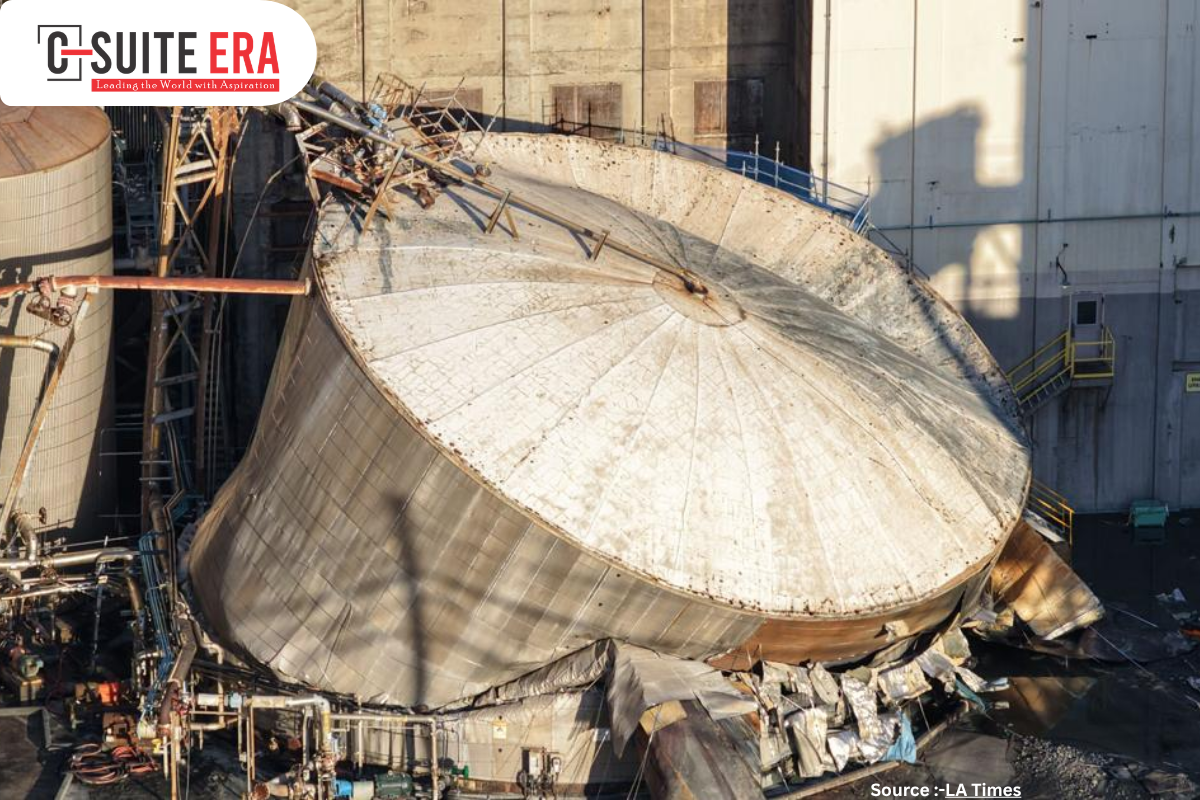
The incident occurred Tuesday morning at the Nippon Dynawave Packaging facility when an 80,000-gallon chemical storage tank containing “white liquor,” a highly caustic chemical solution used in paper production, suddenly imploded. Local authorities described the event as a mass casualty incident, with emergency responders rushing to the scene shortly after 7:15 a.m. local time.
Officials confirmed that multiple fatalities had occurred, though they declined to release the exact number of deaths as recovery operations continued and families were being notified. At least 10 people were reported injured, including one firefighter and several plant employees, many suffering severe chemical burns and inhalation-related injuries. Some victims were transported to hospitals in Longview and Vancouver, Washington, for emergency treatment.
The Longview Fire Department,deadly chemical tank along with regional hazardous materials teams and approximately 40 firefighters and paramedics, responded to contain the scene and decontaminate affected workers. Officials emphasized that there was no immediate danger to the surrounding community despite the hazardous nature of the chemical involved.
The Nippon Dynawave Packaging facility employs roughly 1,000 workers and is a major regional producer of liquid packaging materials, paperboard products, and industrial pulp components. The site remains closed as emergency recovery efforts continue.
Hazardous “White Liquor” Raises Questions About Operational Failure deadly chemical tank
The imploded tank contained white liquor, a corrosive chemical mixture commonly used in kraft pulp production. The substance typically consists of sodium hydroxide and sodium sulfide and is essential in breaking down wood chips during paper manufacturing. However, under pressure-related failure conditions, it can cause severe burns, respiratory damage, and widespread contamination.
Authorities have not yet determined what caused the implosion, and investigators are now examining whether structural failure, pressure imbalance, equipment malfunction, or maintenance deficiencies contributed to the disaster. Early reports indicate the tank was approximately 60% full at the time of the incident.
Emergency crews reported deadly chemical tank runoff entering a drainage area near the facility, prompting immediate environmental monitoring. Local officials said there was no evidence of widespread contamination beyond the immediate plant site, though environmental assessments remain ongoing.
The event has intensified scrutiny over industrial storage safety standards, particularly in aging manufacturing facilities where chemical containment systems face long-term wear and operational stress.
This latest accident follows closely behind another major chemical emergency in California, where an overheating tank at an aerospace manufacturing site triggered mass evacuations in Garden Grove earlier this week. That incident was ultimately stabilized without fatalities, but together the two events have renewed nationwide concern about hazardous material oversight and industrial risk preparedness.
Investigation Likely to Trigger Broader Safety and Regulatory Review
The Washington incident is expected to prompt a full-scale investigation by state and federal workplace safety agencies, including Washington’s Department of Labor and Industries, environmental regulators, and possibly the Occupational Safety and Health Administration.
Industrial safety experts note that tank implosions of this magnitude are rare but often linked to failures in pressure regulation systems, maintenance lapses, or procedural errors during operational transitions such as filling, draining, or temperature-control cycles.
The disaster has deeply shaken Longview, a city with longstanding ties to heavy industry and manufacturing. Families gathered outside the plant throughout the day seeking updates on loved ones, while local officials urged patience as rescue and recovery efforts continued. Community support centers have reportedly been established for affected workers and relatives awaiting information.
For Nippon Dynawave Packaging, the tragedy is likely to result in intense operational scrutiny and possible legal action depending on investigative findings. Questions surrounding inspection records, equipment condition, and emergency response protocols are expected to become central to official reviews.
Beyond the immediate human toll, the implosion has reignited debate over industrial infrastructure resilience across the United States, particularly as aging facilities continue to operate under increasing production demands.
As recovery teams continue their work and investigators search for answers, the Longview disaster stands as a stark reminder of the risks inherent in chemical-heavy manufacturing operations — and the devastating consequences when critical industrial systems fail.
Also Read :- California Chemical Emergency Stabilized as Explosion Risk at Garden Grove Tank Is Eliminated