


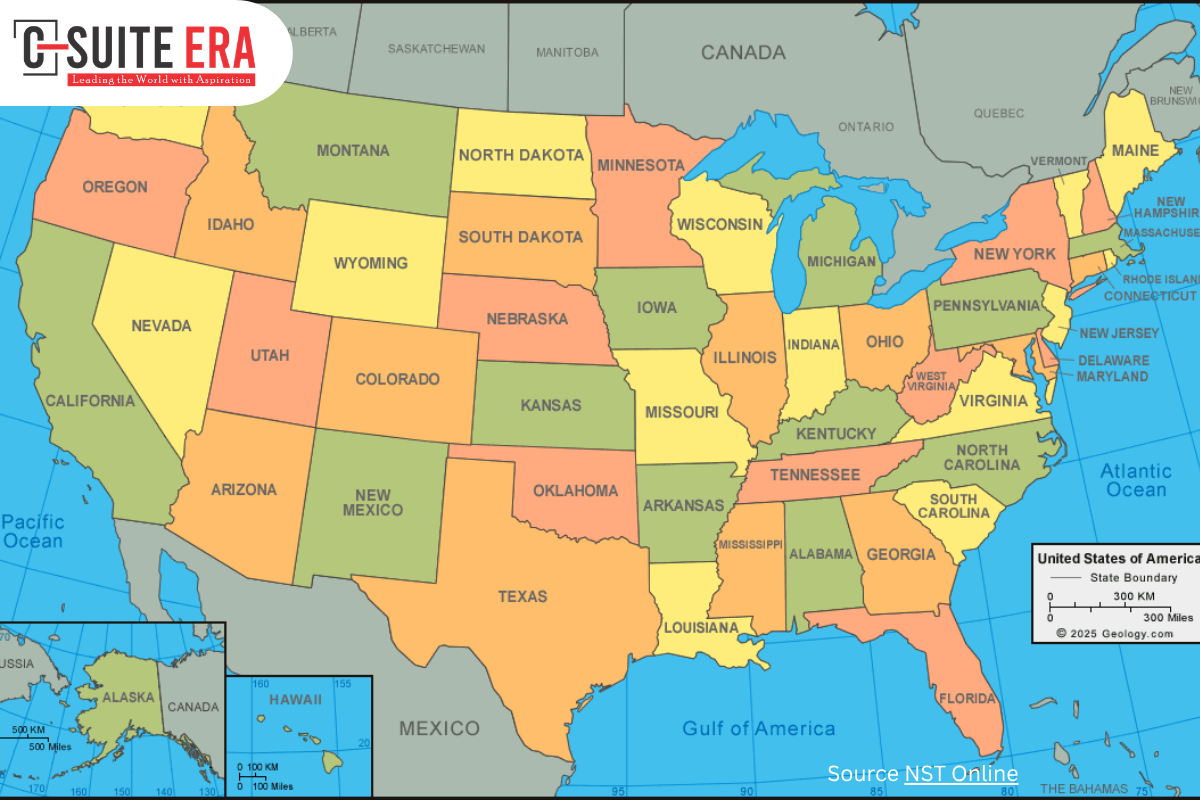
I still remember the first time I was asked in class, How Many States are in USA. I paused for a moment, thinking it might be a trick question, because I knew the country was huge and seemed like it had countless regions. My teacher smiled and waited, and that silence made me even more curious. Later that day, I opened my geography book and started exploring the United States of America United States more closely.
As I read through maps and notes, I slowly discovered the answer to How Many States are in USA—there are 50 states in total. What surprised me even more was how each state felt like its own little universe, with different accents, weather, food, and vibes, yet all stitched together under one big flag.
That moment didn’t just give me an answer; it turned into a habit of questioning everything I thought I already knew. Even now, whenever I hear How Many States are in USA, I can almost picture that classroom, my confused expression, and my teacher enjoying my struggle a little too much.
And honestly, if you’re also curious and somehow ended up wondering How Many States are in USA, then yes—this little article written by me is basically your shortcut so you don’t have to suffer the same classroom silence I did. You’re welcome.
Basic Answer: Total Number of States
The United States has 50 states in total. Each state has its own government, constitution, and set of laws, while still being part of the federal system governed by the U.S. Constitution.
Many learners first encounter the question How Many States are in USA when studying geography, and the answer—50 states—is a key foundational fact about the country.
Why the Number Matters ?
The U.S. federal system is built on the idea that states share power with the central government. This makes the structure unique compared to many other countries.
Understanding How Many States are in USA helps students and researchers grasp how governance is distributed across different regions, from California on the West Coast to New York in the East.
Historical Development of States
Over time, the number of states increased as territories were admitted into the Union. This gradual expansion is an important part of American history.
When people search How Many States are in USA, they are often also curious about how the country expanded from 13 original colonies to 50 states through treaties, purchases, and territorial growth.
List and Diversity of States
The 50 states vary widely in size, population, climate, and economy. For example, Alaska is vast and sparsely populated, while California is highly populated and economically powerful.
Knowing How Many States are in USA also helps in understanding this diversity, as each state contributes uniquely to the national identity.
1. Alabama
Known for its strong role in the U.S. civil rights movement and rich Southern heritage. Its economy includes aerospace, steel, and agriculture.
2. Alaska
The largest U.S. state by area, known for glaciers, mountains, and wildlife. Economy is driven by oil, gas, and fishing industries.
3. Arizona
Famous for the Grand Canyon and desert landscapes. Strong tourism sector and growing tech and manufacturing industries.
4. Arkansas
Known for forests, mountains, and hot springs. Economy includes agriculture, poultry, and retail (Walmart HQ).
5. California
Most populous state with major global cities like Los Angeles and San Francisco. Leader in technology, entertainment, and agriculture.
6. Colorado
Home to the Rocky Mountains and outdoor recreation. Economy includes tourism, energy, and aerospace.
7. Connecticut
Part of New England with strong financial and insurance industries. Known for Yale University and historical towns.
8. Delaware
Smallest state by population and area. Major corporate hub due to business-friendly laws.
9. Florida
Known for beaches, tourism, and theme parks like Disney World. Large retiree population and strong tourism economy.
10. Georgia
Home to Atlanta, a major transportation and business hub. Economy includes logistics, film, and agriculture.
11. Hawaii
Island state in the Pacific known for volcanoes and beaches. Tourism is the dominant industry.
12. Idaho
Famous for potatoes and mountainous terrain. Growing tech and agriculture sectors.
13. Illinois
Home to Chicago, a major financial and transport center. Economy includes manufacturing, finance, and agriculture.
14. Indiana
Known for auto racing (Indianapolis 500). Strong manufacturing and agricultural economy.
15. Iowa
Key agricultural state, especially corn and soybeans. Important center for U.S. political caucuses.
16. Kansas
Located in the Great Plains with vast farmlands. Economy driven by agriculture and aviation.
17. Kentucky
Famous for bourbon, horse racing, and bluegrass music. Strong manufacturing and agricultural base.
18. Louisiana
Known for New Orleans, jazz, and Mardi Gras. Economy includes oil, gas, and shipping.
19. Maine
Northeastern state known for lobster and rugged coastline. Tourism and fishing are key industries.
20. Maryland
Close to Washington, D.C., with strong federal workforce presence. Known for seafood and biotech industries.
21. Massachusetts
Historic center of American independence. Home to top universities like Harvard and MIT.
22. Michigan
Known for the Great Lakes and automotive industry. Detroit is the historic center of U.S. car manufacturing.
23. Minnesota
Famous for lakes and cold winters. Strong healthcare, retail, and manufacturing sectors.
24. Mississippi
Deep Southern state with strong musical heritage. Economy includes agriculture and manufacturing.
25. Missouri
Home to St. Louis and Kansas City. Key industries include logistics, manufacturing, and agriculture.
26. Montana
Known for mountains, national parks, and wide-open spaces. Economy includes agriculture, mining, and tourism.
27. Nebraska
Agricultural heartland with corn and cattle production. Strong insurance and finance industries in Omaha.
28. Nevada
Famous for Las Vegas and entertainment industry. Also includes mining and tourism-based economy.
29. New Hampshire
Part of New England with forests and mountains. Known for early U.S. presidential primary.
30. New Jersey
Densely populated and close to New York City. Strong pharma, finance, and transport industries.
31. New Mexico
Rich in Native American and Hispanic heritage. Known for deserts, art, and scientific research labs.
32. New York
Home to New York City, a global financial hub. Also includes agriculture, tourism, and media industries.
33. North Carolina
Strong banking sector in Charlotte. Also known for universities and research triangle.
34. North Dakota
Sparse population with vast plains. Economy driven by oil, agriculture, and energy.
35. Ohio
Industrial and manufacturing powerhouse. Major cities include Columbus, Cleveland, and Cincinnati.
36. Oklahoma
Known for oil production and Native American heritage. Agriculture and energy are key industries.
37. Oregon
Famous for forests, mountains, and Portland culture. Technology and outdoor recreation drive the economy.
38. Pennsylvania
Historic state central to U.S. independence. Strong in manufacturing, education, and healthcare.
39. Rhode Island
Smallest U.S. state by area. Known for coastline, sailing, and tourism.
40. South Carolina
Rich colonial history and coastal tourism. Economy includes manufacturing and agriculture.
41. South Dakota
Home to Mount Rushmore. Agriculture and tourism dominate the economy.
42. Tennessee
Known for Nashville music scene and Memphis blues. Strong healthcare, music, and manufacturing sectors.
43. Texas
Second-largest U.S. state with major cities like Houston and Dallas. Energy, technology, and agriculture dominate economy.
44. Utah
Known for national parks and ski resorts. Fast-growing tech and tourism sectors.
45. Vermont
Small New England state known for maple syrup. Tourism and agriculture are key industries.
46. Virginia
Historic colonial state with strong federal presence. Technology and defense industries are major drivers.
47. Washington
Home to Seattle and major tech companies. Strong aerospace, tech, and trade economy.
48. West Virginia
Mountainous state with coal mining history. Economy includes energy and tourism.
49. Wisconsin
Known for dairy farming and cheese production. Manufacturing and agriculture are key sectors.
50. Wyoming
Least populous U.S. state with vast natural landscapes. Energy production and tourism dominate the economy.
Importance in Education and Exams
This question frequently appears in school quizzes, competitive exams, and general knowledge tests.
Students often memorize How Many States are in USA early in their studies because it forms a basic part of global geography knowledge.
Conclusion
The United States consists of 50 states, each playing a vital role in the country’s political and cultural landscape. Whether for academic learning or general awareness, the fact behind How Many States are in USA remains an essential piece of information for understanding one of the world’s most important nations.
Also Read : – C suit Era Magazine for more information