


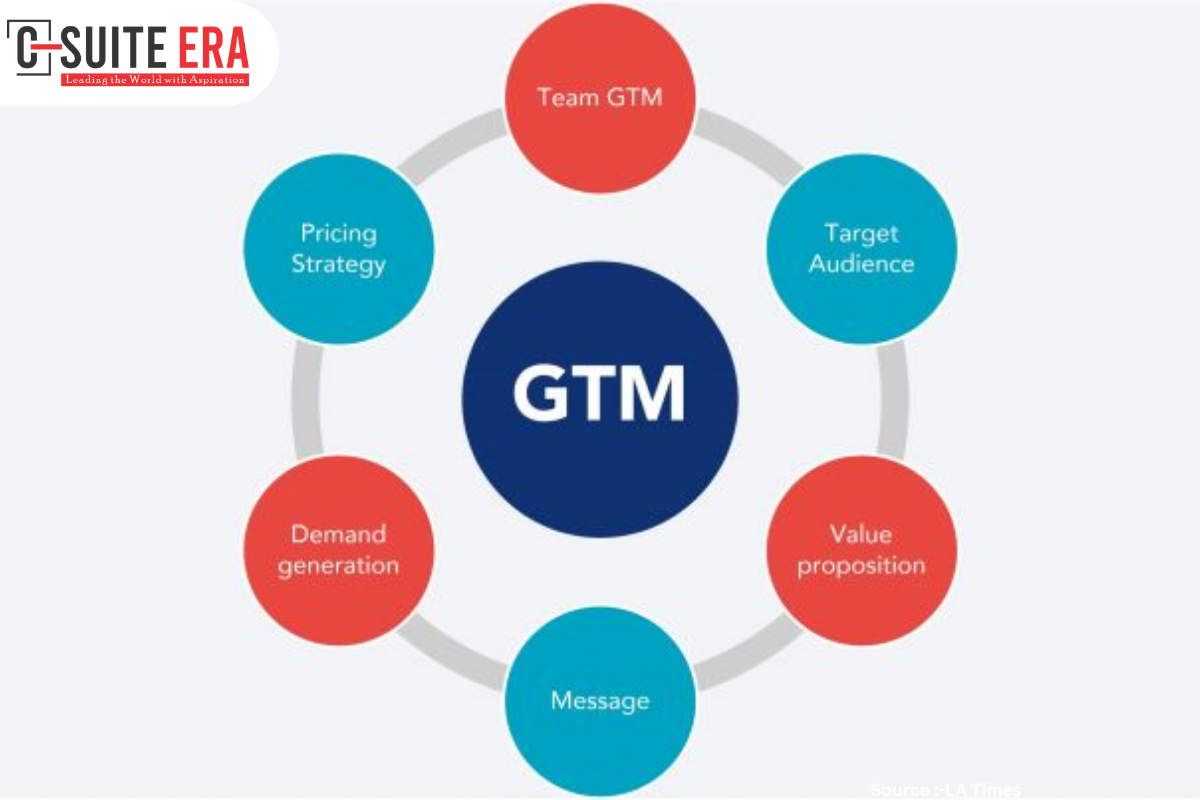
Launching a new product or service is one of the most exciting yet challenging stages of business growth. While innovation and product quality are essential, success often depends on how effectively a company introduces its offering to the market. This is where a Go-To-Market Strategy becomes critical. It serves as a structured plan that helps organizations identify their target audience, position their products effectively, and achieve sustainable growth.
A well-designed market entry plan ensures that businesses do not rely on guesswork. Instead, they follow a clear roadmap that aligns sales, marketing, customer service, and product development efforts. Whether a startup is introducing its first solution or an established company is expanding into a new market, having a strategic framework can significantly improve the chances of success.
Understanding the Concept
A Go-To-Market Strategy is a comprehensive plan that outlines how a company will bring a product or service to customers. It defines the target market, value proposition, pricing approach, distribution channels, and promotional activities required to generate demand and drive revenue.
Unlike a general business strategy, a market-entry strategy focuses specifically on launching or expanding a product. It bridges the gap between product development and customer acquisition by ensuring that every aspect of the launch process is coordinated and purposeful.
Businesses that invest time in developing a structured launch plan often experience faster adoption rates, stronger customer engagement, and improved competitive positioning.
Why It Matters?
Many businesses fail not because their products lack quality, but because they struggle to connect with the right audience. Without a clear market approach, companies may spend heavily on marketing campaigns that fail to generate results or target customers who have little interest in the product.
A strong Go-To-Market Strategy helps organizations:
- Identify the ideal customer profile.
- Understand customer pain points and needs.
- Create compelling messaging and positioning.
- Optimize marketing and sales resources.
- Reduce risks associated with product launches.
- Improve revenue generation and market penetration.
By aligning internal teams around common objectives, businesses can create a more seamless customer experience and increase the likelihood of long-term success.
Key Components of an Effective Strategy
1. Target Audience Identification
The foundation of any successful launch begins with understanding the target audience. Businesses must determine who their ideal customers are, what challenges they face, and how the product solves those challenges.
Customer segmentation can be based on factors such as demographics, industry, company size, geographic location, purchasing behavior, or specific needs. Detailed customer personas help organizations tailor their messaging and outreach efforts more effectively.
2. Value Proposition
A value proposition explains why customers should choose a product over competing alternatives. It highlights the unique benefits and outcomes that users can expect.
An effective value proposition should answer three important questions:
- What problem does the product solve?
- How does it solve the problem?
- Why is it better than competing solutions?
Clear communication of value helps build trust and encourages customer adoption.
3. Pricing Strategy
Pricing plays a significant role in market acceptance. Businesses must balance profitability with customer expectations while considering competitor pricing and perceived value.
Common pricing approaches include:
- Cost-plus pricing
- Competitive pricing
- Value-based pricing
- Subscription pricing
- Freemium models
Selecting the right pricing structure can influence customer acquisition, retention, and overall revenue performance.
4. Distribution Channels
Organizations must determine how customers will access their products or services. Distribution channels may include direct sales teams, e-commerce platforms, retail partners, distributors, marketplaces, or channel partners.
Choosing the appropriate channels depends on customer preferences, industry dynamics, and business objectives. The goal is to make the buying process as convenient and efficient as possible.
5. Marketing and Promotion
Marketing efforts create awareness and generate demand. Businesses often use a combination of digital and traditional marketing tactics to reach their audience.
These may include:
- Content marketing
- Search engine optimization
- Social media campaigns
- Email marketing
- Paid advertising
- Public relations
- Events and webinars
The selected tactics should align with customer behavior and support overall business goals.
Steps to Build a Successful Plan
Creating an effective Go-To-Market Strategy requires careful planning and execution. Businesses can follow a structured approach:
Conduct Market Research
Analyze industry trends, customer needs, competitor activities, and market opportunities. Reliable data provides valuable insights that guide decision-making.
Define Objectives
Establish clear goals for the product launch. Objectives may include revenue targets, customer acquisition numbers, market share growth, or brand awareness metrics.
Develop Messaging
Create messaging that clearly communicates the product’s benefits and differentiators. Consistent messaging across all channels strengthens brand identity.
Align Internal Teams
Sales, marketing, customer support, and product teams must work together to ensure a coordinated launch. Alignment improves efficiency and customer experience.
Launch and Monitor Performance
After launch, track key performance indicators such as conversion rates, customer acquisition costs, revenue growth, and customer feedback. Continuous monitoring helps identify areas for improvement.
Common Challenges
Even the most promising products can encounter obstacles during launch. Some common challenges include:
- Misunderstanding customer needs
- Poor product positioning
- Ineffective pricing
- Weak sales enablement
- Insufficient market research
- Lack of team alignment
A robust Go-To-Market Strategy helps businesses anticipate and address these challenges before they become major issues.
The Future of Market Entry Planning
As technology continues to evolve, businesses are gaining access to advanced analytics, artificial intelligence, and automation tools that improve market planning and execution. These technologies enable organizations to better understand customer behavior, personalize marketing efforts, and optimize sales processes.
Modern companies increasingly rely on data-driven insights to refine their Go-To-Market Strategy, allowing them to adapt quickly to changing market conditions and customer expectations.
Conclusion
A successful product launch requires much more than a great idea. Businesses need a structured framework that connects their products with the right customers through effective positioning, pricing, distribution, and promotion. A well-executed Go-To-Market Strategy provides that framework, helping organizations reduce risk, maximize resources, and accelerate growth.
By understanding customer needs, aligning internal teams, and continuously optimizing performance, businesses can improve their chances of achieving long-term success in an increasingly competitive marketplace.
Also Read :- 2025 Startup Trends: Where Smart Entrepreneurs Are Investing This Year