

Small retail formats have become increasingly popular among entrepreneurs looking for cost-effective ways to enter the market. Kiosks offer flexibility, lower startup costs, and access to high-traffic locations such as shopping malls, airports, railway stations, and commercial complexes. For individuals seeking a manageable business model with growth potential, understanding How to Start a Kiosk Business is an essential first step.
A kiosk business can sell a wide range of products and services, including food and beverages, mobile accessories, cosmetics, gifts, fashion items, tickets, and specialty products. With proper planning and execution, a kiosk can generate steady revenue while requiring significantly less investment than a traditional retail store.
Understanding the Kiosk Business Model
Before learning How to Start a Kiosk Business, it is important to understand what makes this business model unique. A kiosk is a small, standalone retail unit typically located in areas with heavy foot traffic. Unlike conventional stores, kiosks occupy less space and often operate with lower overhead costs.
The success of a kiosk largely depends on location, product selection, customer service, and operational efficiency. Because kiosks are positioned in high-visibility areas, they can attract impulse purchases and benefit from consistent customer flow.
This business model is particularly attractive for entrepreneurs who want to test a product or market without committing to the expenses associated with a full-scale retail outlet.
Benefits of Starting a Kiosk Business
Kiosk businesses offer several advantages that make them appealing to new and experienced entrepreneurs alike.
1. Lower Startup Costs
Compared to traditional retail stores, kiosks require less capital for rent, interior setup, staffing, and inventory. This allows entrepreneurs to launch their businesses with relatively limited investment.
2. High Customer Exposure
Most kiosks are located in busy areas where thousands of potential customers pass by daily. This visibility increases brand awareness and sales opportunities.
3. Flexible Operations
Kiosks can be customized to suit different products and services. Business owners can easily adjust inventory and marketing strategies based on customer demand.
4. Faster Setup
Since kiosks occupy smaller spaces, the setup process is often quicker and simpler than opening a conventional retail outlet.
These benefits make kiosks an attractive option for entrepreneurs exploring new business opportunities.
Choosing the Right Business Idea
One of the most important steps in determining How to Start a Kiosk Business is selecting the right product or service.
Popular kiosk categories include:
- Coffee and beverages
- Snacks and fast food
- Mobile accessories
- Jewelry and fashion accessories
- Cosmetics and skincare products
- Gift items
- Electronics accessories
- Customized merchandise
When choosing a business idea, consider factors such as local demand, competition, profit margins, and customer preferences. Conducting market research can help identify products that are likely to perform well in your chosen location.
Creating a Business Plan
A detailed business plan serves as a roadmap for your kiosk venture. It helps define goals, estimate costs, and identify growth opportunities.
Your business plan should include:
1. Market Analysis
Research customer demographics, purchasing behavior, and competitor offerings. Understanding your target audience is essential for success.
2. Financial Planning
Estimate startup expenses, operating costs, inventory requirements, and expected revenue. Include a realistic budget and cash flow projections.
3. Marketing Strategy
Determine how you will attract customers and promote your kiosk. Effective marketing can significantly improve sales performance.
4. Operational Plan
Outline staffing requirements, supplier relationships, inventory management processes, and daily business operations.
A strong business plan increases your chances of long-term success and helps secure funding if needed.
Selecting the Ideal Location
Location is one of the most critical factors influencing kiosk performance. Even the best products may struggle to generate sales if the kiosk is placed in an area with insufficient customer traffic.
When evaluating locations, consider:
- Daily foot traffic volume
- Customer demographics
- Visibility and accessibility
- Nearby competitors
- Rental costs
- Security and maintenance services
Shopping malls, transportation hubs, office complexes, and entertainment centers are often excellent locations for kiosk businesses.
Understanding customer movement patterns can help maximize visibility and sales opportunities.
Obtaining Licenses and Permits
Another essential aspect of How to Start a Kiosk Business involves meeting legal and regulatory requirements.
Depending on the business type and location, you may need:
- Business registration
- Trade licenses
- Food safety permits (for food kiosks)
- Tax registrations
- Local municipal approvals
- Fire and safety clearances
Consult local authorities to ensure compliance with all applicable regulations. Operating legally protects your business and builds customer trust.
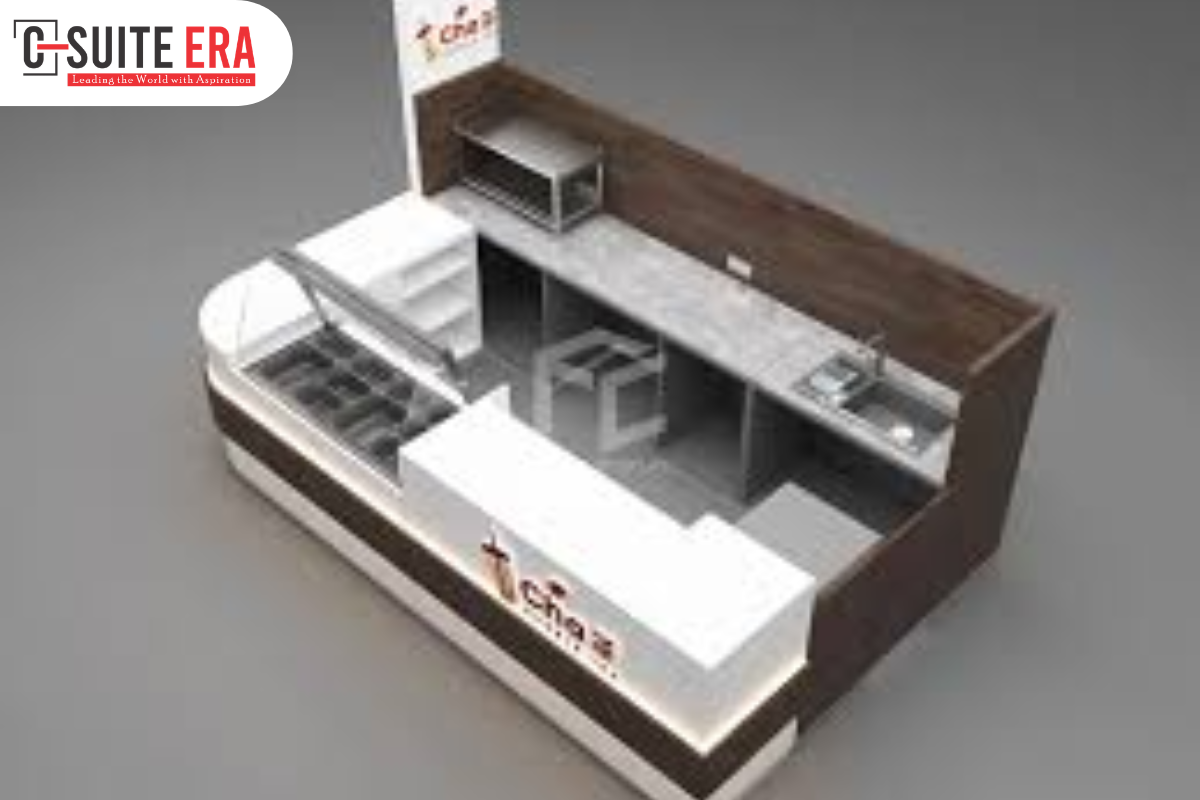
Designing an Attractive Kiosk
A visually appealing kiosk can significantly influence customer engagement. Since kiosk space is limited, efficient design is crucial.
Focus on:
- Eye-catching branding
- Clear product displays
- Effective lighting
- Organized inventory placement
- Easy customer access
An attractive design not only improves customer experience but also helps differentiate your kiosk from competitors.
Investing in professional branding and signage can increase visibility and encourage impulse purchases.
Marketing Your Kiosk Business
Marketing plays a vital role in attracting customers and generating repeat business.
Effective promotional strategies include:
1. Social Media Marketing
Use platforms such as Instagram, Facebook, and WhatsApp to showcase products, announce promotions, and engage with customers.
2. Loyalty Programs
Reward repeat customers with discounts, points, or exclusive offers to encourage retention.
3. Seasonal Promotions
Special offers during festivals, holidays, and local events can drive additional traffic and sales.
4. Local Partnerships
Collaborate with nearby businesses, event organizers, or community groups to increase brand exposure.
Consistent marketing efforts help build awareness and strengthen customer relationships over time.
Common Challenges and Solutions
Like any business, kiosks face challenges that require proactive management.
Common issues include:
- High competition
- Seasonal sales fluctuations
- Limited storage space
- Inventory management difficulties
- Staffing concerns
Entrepreneurs who understand How to Start a Kiosk Business effectively can address these challenges through careful planning, customer-focused service, and continuous performance monitoring.
Regularly reviewing sales data and customer feedback can help identify opportunities for improvement.
Conclusion
Learning How to Start a Kiosk Business can open the door to an affordable and potentially profitable entrepreneurial venture. With lower startup costs, flexible operations, and access to high-traffic locations, kiosks offer an attractive entry point into the retail market.
Success depends on choosing the right product, securing a strategic location, creating a strong business plan, complying with legal requirements, and implementing effective marketing strategies. By following a structured approach and staying responsive to customer needs, entrepreneurs can build a sustainable kiosk business and create opportunities for long-term growth.
Also Read :- Go-To-Market Strategy: A Blueprint for Successful Product Launches