

1. Federal Agencies Crack Down on Unauthorized Drone Activity
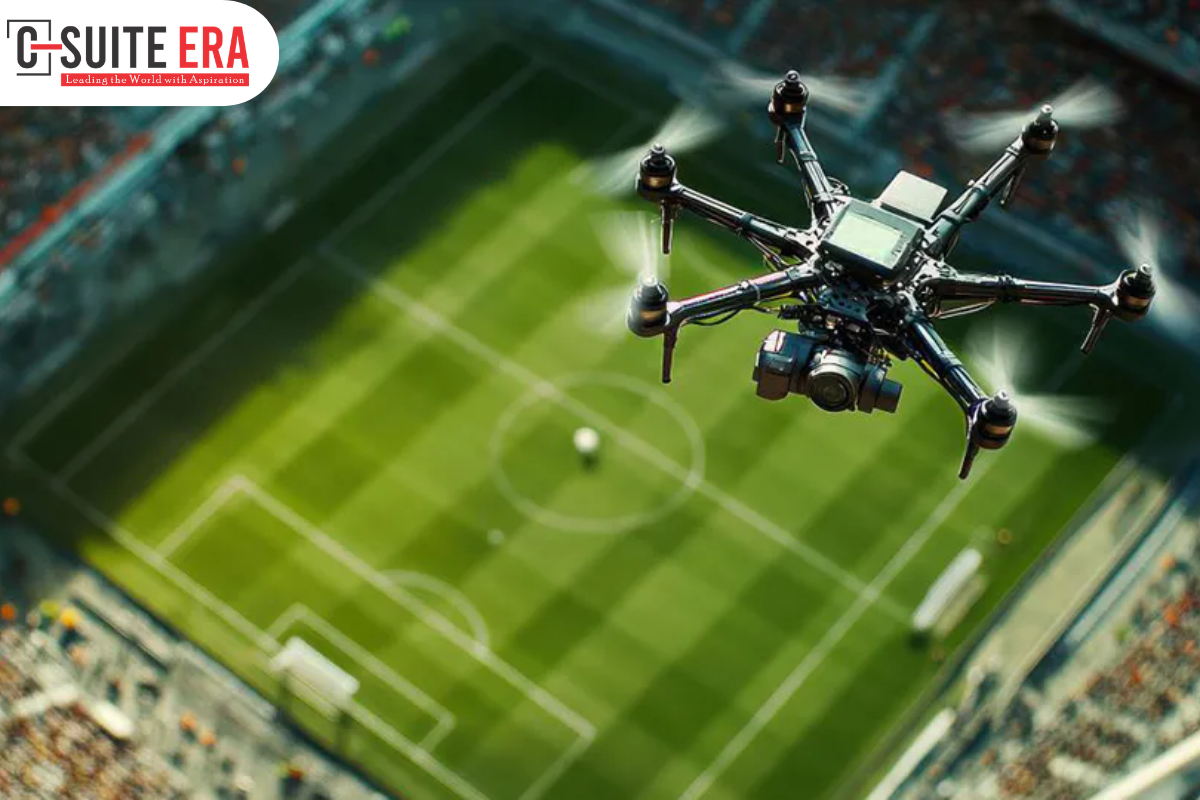
U.S. authorities have seized more than 300 unauthorized drones operating near venues and restricted zones associated with the 2026 FIFA World Cup, highlighting growing security concerns surrounding one of the world’s largest sporting events.
According to Reuters, officials from the Transportation Security Administration (TSA) revealed that federal agencies have intercepted hundreds of drones since World Cup activities began across host cities. The seizures were carried out as part of a coordinated effort involving multiple federal, state, and local law enforcement agencies responsible for protecting tournament venues, transportation hubs, and surrounding public areas.
Authorities stated that many drone operators were unaware that temporary flight restrictions had been established around stadiums and other World Cup-related locations. However, officials emphasized that ignorance of the rules does not eliminate the potential security risks posed by unauthorized aircraft entering sensitive airspace.
The drone interceptions reflect the increasingly complex security environment facing major international sporting events. Modern drones have become more affordable, accessible, and capable, creating new challenges for law enforcement agencies tasked with protecting large crowds and critical infrastructure.
Security experts note that even recreational drones can pose significant threats if they interfere with emergency operations, broadcast activities, aircraft movements, or crowd management efforts. As a result, federal authorities have adopted an aggressive enforcement strategy throughout the tournament.
Officials stressed that the overwhelming majority of seized drones were not linked to criminal activity. Nevertheless, every unauthorized flight requires investigation because authorities must determine whether an operator poses a security risk or simply violated airspace regulations.
2. FIFA World Cup Security Efforts Expand Beyond Traditional Threats
The large number of drone seizures illustrates how security planning for global sporting events has evolved far beyond conventional concerns.
Reuters reported that federal agencies have deployed advanced counter-drone technologies capable of detecting, tracking, and identifying unmanned aircraft operating near restricted areas. These systems form part of a broader security network that includes surveillance cameras, intelligence monitoring, aviation coordination centers, and specialized response teams.
The FIFA World Cuphas drawn millions of spectators from around the globe, creating attractive targets for potential disruptions. While authorities have not reported any credible drone-related attack plots, security officials continue to treat unauthorized drone activity seriously because of the technology’s potential misuse.
Recent years have demonstrated how drones can be employed for surveillance, contraband delivery, disruptive publicity stunts, or more dangerous purposes. As a result, governments worldwide have increasingly incorporated counter-drone measures into security planning for major public events.
The United States has invested heavily in these capabilities ahead of the World Cup. Federal agencies have worked closely with local law enforcement and stadium operators to establish layered security systems around host venues. These measures include designated no-fly zones, public awareness campaigns, and rapid-response teams prepared to investigate suspicious drone activity.
Officials noted that many of the confiscated drones belonged to tourists, hobbyists, content creators, and spectators seeking aerial footage of matches and fan celebrations. While such intentions may be harmless, authorities maintain that unauthorized flights can create unnecessary risks in crowded environments where security operations are already highly complex.
The enforcement effort reflects a broader trend in which major sporting events increasingly require protection against emerging technological threats alongside traditional security concerns.
3. Authorities Urge Fans to Respect Airspace Restrictions
With the tournament continuing across multiple cities, officials are urging visitors and local residents to familiarize themselves with drone regulations before operating any unmanned aircraft.
The TSA and other federal agencies have emphasized that temporary flight restrictions remain in effect around stadiums, fan zones, transportation hubs, and other critical locations connected to FIFA World Cup operations. Violations can result in drone confiscation, substantial fines, and in some cases criminal penalties.
Authorities have also launched educational campaigns designed to inform drone operators about restricted zones and legal operating requirements. Officials believe many violations can be prevented through better awareness, particularly among international visitors who may be unfamiliar with U.S. aviation regulations.
Security planners describe the World Cup as one of the largest public safety operations ever conducted in the United States. The tournament serves as an important test ahead of future global events, including the 2028 Summer Olympics in Los Angeles and other major international gatherings expected to attract millions of visitors.
The seizure of more than 300 drones demonstrates both the popularity of unmanned aircraft technology and the challenges it creates for modern event security. While most operators appear to have had no malicious intent, authorities argue that strict enforcement is necessary to maintain safe airspace and protect spectators.
As the FIFA World Cup progresses, security officials are expected to continue monitoring drone activity closely. The experience gained during the tournament is likely to shape future policies regarding unmanned aircraft operations at major public events, where balancing technological innovation with public safety has become an increasingly important challenge.
For federal agencies overseeing the competition, the message remains clear: while fans are encouraged to celebrate the world’s biggest soccer tournament, the skies above its venues will remain under tight control.
Also Read : C SUIT ERA Magazine for more information