

1. The Passing of a Monetary Policy Giant
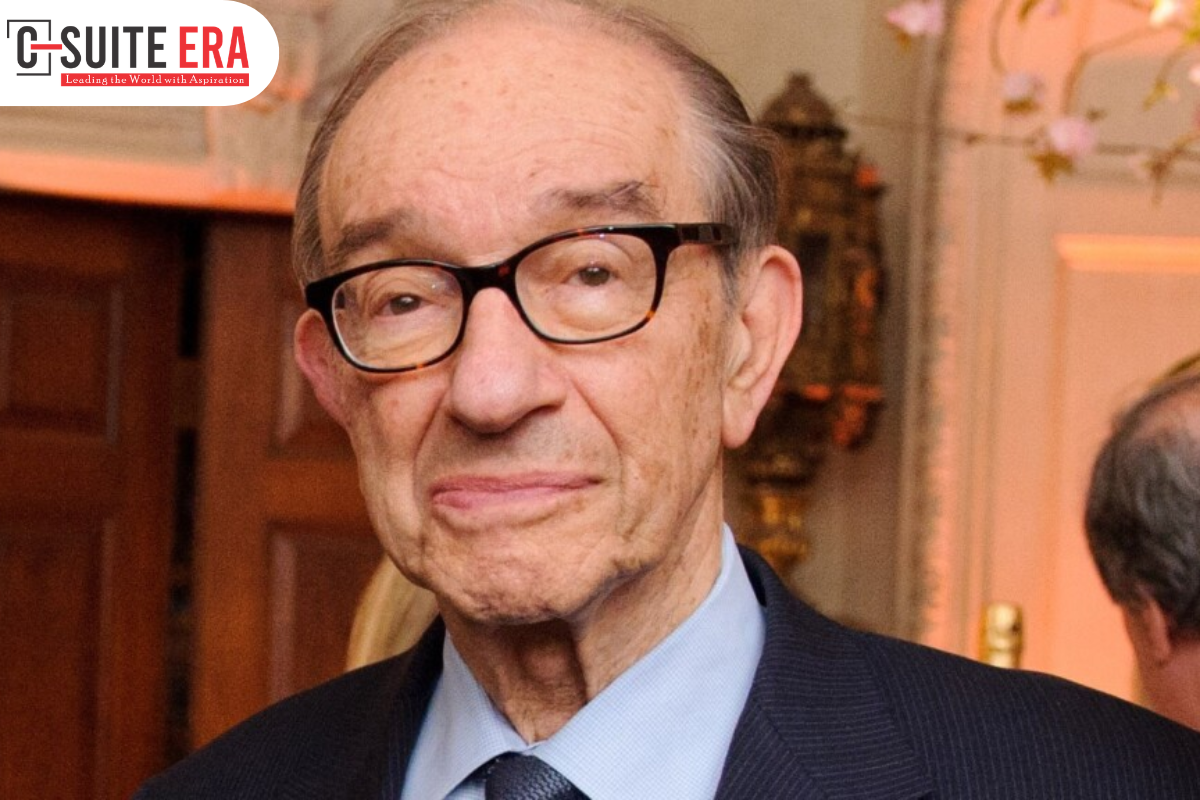
Former U.S. Federal Reserve Chairman Alan Greenspan, one of the most influential economists of the modern era, has died at the age of 100, closing a chapter on a career that helped shape global monetary policy for nearly two decades.
According to Reuters, Greenspan died on June 22 from complications related to Parkinson’s disease. His death was announced by his wife, veteran journalist Andrea Mitchell, who described him as a brilliant economist whose influence extended far beyond Washington.
Greenspan served as chairman of the Federal Reserve from 1987 to 2006, making him one of the longest-serving leaders in the institution’s history. During his tenure, he worked under four U.S. presidents and oversaw monetary policy through some of the most significant economic events of the late twentieth and early twenty-first centuries.
His appointment by President Ronald Reagan came at a critical moment. Only months into his leadership, the United States experienced the 1987 stock market crash known as Black Monday. Greenspan’s swift actions to reassure financial markets and provide liquidity were widely credited with helping stabilize the economy and preventing broader financial disruption.
Over the following years, he became one of the most respected voices in global finance. His views on interest rates, inflation, and economic growth were closely monitored by governments, investors, and central bankers around the world. By the time he left office in 2006, Greenspan had earned nicknames such as “The Maestro” and “The Oracle,” reflecting the extraordinary influence he wielded over financial markets.
His tenure coincided with a prolonged period of economic expansion, low inflation, and rising prosperity, helping establish him as one of the defining economic policymakers of his generation.
2. Architect of Prosperity and Target of Criticism
While Alan Greenspan was celebrated for guiding the U.S. economy through periods of remarkable growth, his legacy remains deeply complex.
During the 1990s, the United States experienced one of the longest economic expansions in its history. Unemployment declined, inflation remained relatively contained, and technological innovation fueled rapid productivity gains. Greenspan argued that advances in technology had fundamentally improved economic efficiency, allowing stronger growth without triggering excessive inflation.
His reputation for economic insight was reinforced by his ability to navigate several crises, including the Asian Financial Crisis of 1997, the collapse of hedge fund Long-Term Capital Management in 1998, and the economic uncertainty that followed the September 11 terrorist attacks in 2001. Investors often viewed his leadership as a source of stability during periods of turbulence.
However, admiration for Greenspan diminished significantly after the 2008 global financial crisis. Critics argued that the low-interest-rate policies and financial deregulation he supported contributed to excessive risk-taking in financial markets and helped fuel the housing bubble that ultimately burst.
Particularly controversial was his long-standing belief that financial institutions could largely regulate themselves without extensive government oversight. That philosophy came under intense scrutiny after the collapse of major financial institutions and the severe recession that followed. The Financial Crisis Inquiry Commission later concluded that decades of deregulation played a major role in creating conditions that led to the crisis.
Greenspan himself later acknowledged shortcomings in his assumptions about market behavior, admitting that he had underestimated the risks posed by insufficient regulation. Those admissions became a defining part of public discussions about his legacy.
As a result, historians and economists continue to debate whether Greenspan should be remembered primarily as the architect of an era of prosperity or as a policymaker whose decisions helped create vulnerabilities that later destabilized the global economy.
3. A Alan Greenspan Lasting Influence on Economics and Central Banking
Despite the controversies, Greenspan’s influence on modern economic policymaking remains undeniable.
Before becoming a renowned economist, Greenspan pursued a career in music, studying at the Juilliard School and performing professionally as a jazz musician. He later transitioned into economics, founded a successful consulting firm, and eventually became a trusted adviser to political leaders from both major parties.
He was also known for his distinctive communication style, often referred to as “Fed-speak.” His carefully worded and sometimes cryptic public statements became legendary on Wall Street, where investors frequently analyzed every phrase for clues about future interest-rate decisions.
Beyond monetary policy, Greenspan played a role in significant public policy discussions, including efforts to strengthen the long-term viability of Social Security and address fiscal challenges facing the federal government. His influence extended well beyond the Federal Reserve, making him one of the most recognizable economic figures in modern history.
Following his retirement, Greenspan remained active as an adviser, author, and commentator, continuing to shape debates about economic growth, regulation, and financial markets. Although later generations of policymakers adopted different approaches, many aspects of modern central banking still reflect ideas that gained prominence during his tenure.
The death of Alan Greenspan marks the end of an era in American economic history. Few central bankers have wielded as much influence over financial markets, public policy, and global economic thinking. His accomplishments and mistakes alike continue to serve as lessons for economists, regulators, and political leaders navigating an increasingly complex financial world.
Whether remembered as a visionary steward of economic growth or as a symbol of the risks of market optimism, Greenspan’s impact on modern finance will remain a subject of study and debate for decades to come.
Also Read : – C Suit Era Magazine for more information