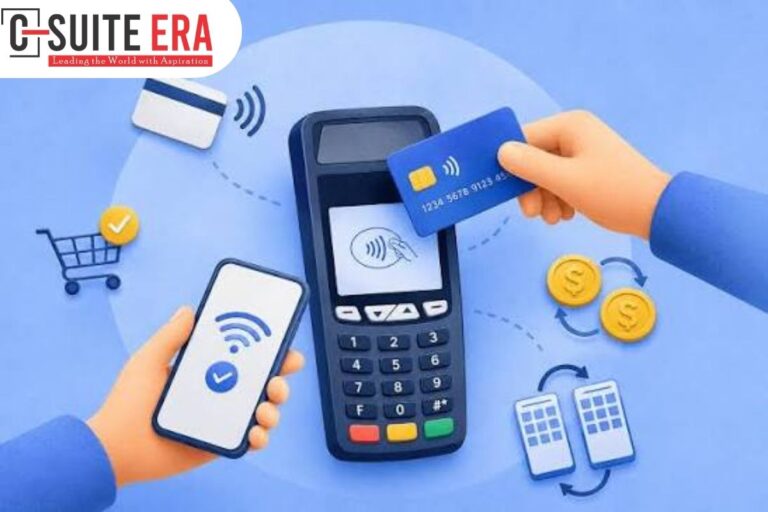


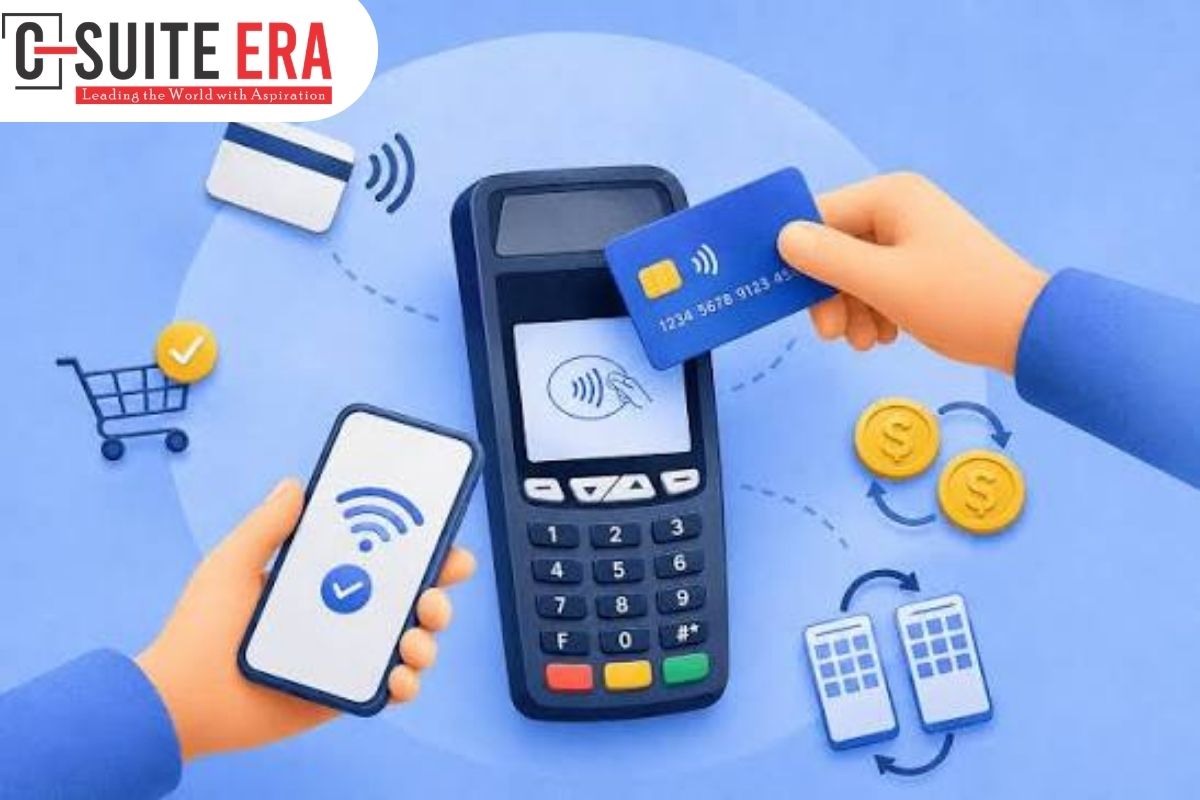
Every time a customer pays for a product or service online, a complex financial network works behind the scenes to complete the transaction. Payment Processors play a crucial role in this ecosystem by helping businesses authorize, process, and settle electronic payments securely and efficiently.
From e-commerce platforms and subscription services to restaurants and multinational enterprises, businesses depend on reliable payment infrastructure to accept cards, bank transfers, digital wallets, and other payment methods. As commerce continues to move toward digital channels, understanding how Payment Processors work has become increasingly important for businesses of every size.
What Are Payment Processors?
Payment Processors are financial technology companies or service providers that facilitate electronic transactions between merchants, customers, banks, and card networks.
When a customer enters card information or uses a digital wallet, the processor helps transmit the transaction details through the appropriate payment network. It communicates with the financial institutions involved and returns an authorization response to the merchant.
However, a processor does more than simply move money. It coordinates multiple stages of a transaction while incorporating security, authentication, and risk-management processes.
How Payment Processors Work?
A typical card payment involves several parties, each performing a specific role in the transaction.
- Customer: Initiates the payment for a product or service.
- Merchant: Provides the product or service and receives the payment.
- Payment Gateway: Securely captures and transmits payment information from the merchant’s checkout system.
- Payment Processor: Routes transaction information between the merchant, banks, and payment networks.
- Acquiring Bank: Processes payments on behalf of the merchant.
- Card Network: Connects the acquiring and issuing financial institutions and facilitates transaction routing.
- Issuing Bank: The financial institution that issued the customer’s payment card.
When a customer clicks “Pay,” transaction information moves through this network. The issuing bank evaluates factors such as available funds, account status, authentication requirements, and potential fraud.
The transaction is then either approved or declined.
If approved, the transaction proceeds toward settlement. The merchant eventually receives the funds, minus applicable processing fees, adjustments, or other charges.
Why Payment Processors Matter
The growth of digital commerce has made dependable payment infrastructure essential for modern businesses.
A reliable payment system can help companies:
- Accept multiple payment methods
- Process transactions efficiently
- Improve the checkout experience
- Detect potentially fraudulent transactions
- Reduce payment failures
- Serve customers across different markets
- Support recurring payments
- Manage refunds and disputes
For customers, payment processing should feel simple and almost invisible. For businesses, however, the quality of their payment infrastructure can directly influence conversion rates, customer satisfaction, cash flow, and overall operations.
Types of Payment Processors
The payment industry includes several categories of providers, each designed to serve different business requirements.
1. Traditional Payment Processors
Traditional processors often work closely with banks and merchant-service providers. They can be suitable for established businesses that process substantial transaction volumes or require customized payment arrangements.
2. Digital Payment Platforms
Modern fintech platforms often combine payment processing with additional business services. These can include payment links, invoicing, subscription billing, fraud prevention, analytics, and financial dashboards.
3. Mobile Payment Processors
Mobile payment solutions allow businesses to accept payments through smartphones, tablets, and portable card terminals. They can be particularly useful for retailers, restaurants, independent professionals, and businesses that operate across multiple locations.
4. Cross-Border Payment Providers
International payment providers help businesses accept payments from customers in different countries and currencies. They can simplify currency conversion, international settlements, and cross-border transactions.
Payment Processors and Payment Gateways Are Not the Same
The terms “payment processor” and “payment gateway” are often used interchangeably, but they perform different functions.
A payment gateway primarily provides the technology required to securely capture and transmit payment information from a customer’s checkout to the payment infrastructure.
A payment processor facilitates the communication and transaction processing between the merchant, financial institutions, and payment networks.
Many modern payment companies provide both gateway and processing services. As a result, the distinction may not always be obvious to merchants.
Security and Fraud Prevention
Security is one of the most important elements of modern payment processing.
Payment infrastructure can use technologies such as encryption, tokenization, authentication, transaction monitoring, and fraud detection to protect payment information and reduce financial risk.
Businesses must also understand the compliance requirements that apply to their payment methods and markets.
For organizations that handle payment card information, the Payment Card Industry Data Security Standard (PCI DSS) provides an important framework for protecting cardholder data and maintaining secure payment environments.
Choosing the Right Payment Processor
Selecting a payment provider involves more than comparing transaction fees. Businesses should consider how a provider fits their operational requirements, customers, markets, and long-term growth plans.
Transaction Fees
Businesses should examine percentage-based fees, fixed transaction charges, currency-conversion costs, refund fees, chargeback costs, and other applicable expenses.
Payment Methods
A suitable provider should support the payment methods customers actually use. Depending on the market, this can include credit cards, debit cards, bank transfers, digital wallets, and local payment methods.
Geographic Coverage
Businesses serving international customers should verify whether the provider supports their target countries, currencies, and settlement requirements.
Integration
Developers should evaluate APIs, SDKs, plugins, documentation, and compatibility with existing websites, applications, accounting systems, and e-commerce platforms.
Settlement Speed
Settlement times can have a direct impact on business cash flow. Companies should understand when processed funds become available for withdrawal.
Customer Support
Responsive customer support becomes especially important when payment failures or technical issues affect the checkout experience.
The Future of Payment Processing
The payment industry continues to evolve as consumers demand faster, simpler, and more secure ways to pay.
Real-time payments, digital wallets, account-to-account transfers, biometric authentication, embedded finance, and artificial intelligence are shaping the next generation of payment infrastructure.
Payment providers are also moving beyond basic transaction processing. Payment data can support fraud detection, financial reporting, customer insights, automated reconciliation, and other business functions.
As digital commerce expands, payment infrastructure will increasingly become part of the broader technology stack rather than functioning as an isolated financial service.
Conclusion
Payment Processors form a critical part of the modern financial ecosystem. They connect merchants, customers, banks, and payment networks to make electronic transactions possible.
For businesses, choosing the right processor can provide much more than a method of accepting payments. The right infrastructure can improve checkout experiences, strengthen security, support international expansion, simplify financial operations, and create a more reliable customer journey.
As commerce continues moving toward digital and real-time transactions, payment processing will remain one of the fundamental technologies supporting the global economy.
Also Read :- Marketing vs Finance: Understanding the Difference and Business Impact