


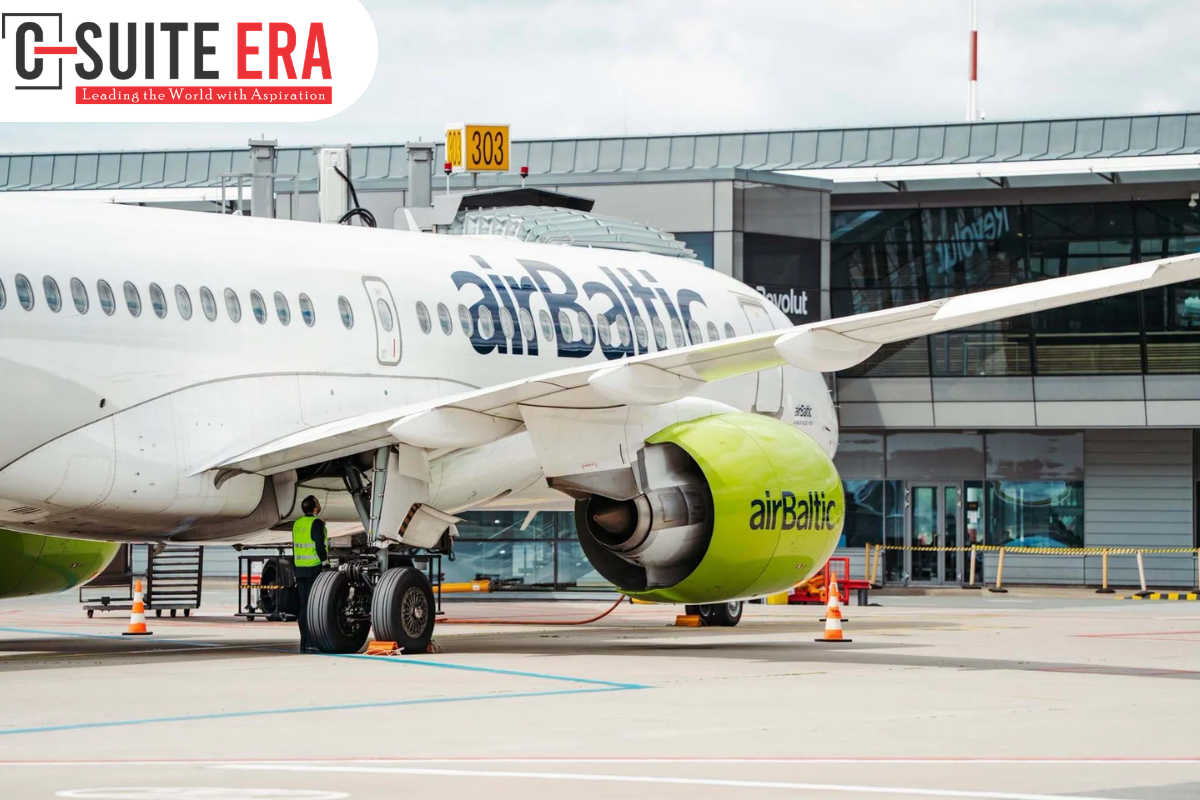
Latvia’s National Airline Seeks Court Protection
Latvian airline airBaltic has voluntarily filed for protection under Chapter 11 of the U.S. Bankruptcy Code in New York as it begins a major financial restructuring.
The filing is designed to give the airline protection from creditors while it works to reduce its debt and strengthen its financial position.
Despite the bankruptcy proceedings, airBaltic says its flights will continue operating as scheduled.
Fuel Prices Become a Major Financial Burden
The airline’s financial problems have intensified as the war involving the United States and Iran has pushed global energy prices sharply higher.
Jet fuel prices have doubled, creating a major cost shock for airlines already operating under tight margins.
Fuel represents one of the largest expenses for an airline, meaning sudden increases can quickly damage profitability and cash flow.
The latest crisis has created the most difficult environment for the global airline industry since the COVID-19 pandemic.
AirBaltic Was Already Under Financial Pressure
The airline entered the current crisis with significant financial challenges.
Its liquidity position had already weakened enough to require a €30 million loan from the Latvian state in April.
The subsequent increase in fuel costs placed additional pressure on its finances and made a broader restructuring increasingly urgent.
AirBaltic’s decision to seek Chapter 11 protection now gives the company a formal framework to negotiate with creditors while continuing its operations.
€350 Million Financing Package Provides Breathing Room
As part of the restructuring, airBaltic has secured a commitment for €350 million, or about $405 million, in financing.
The funding comes from a group of major financial institutions, including Strategic Value Partners, Barclays, Hayfin Capital Management, Morgan Stanley and Oaktree Capital Management.
The financing is intended to provide the liquidity needed to keep the airline operating during the court-supervised restructuring process.
Government Ownership Adds Strategic Importance
AirBaltic is majority owned by the Latvian government, making its financial stability important beyond the company’s shareholders and creditors.
The airline plays a significant role in Latvia’s connectivity with the rest of Europe and international markets.
A successful restructuring would allow the government-backed carrier to preserve operations while addressing its debt burden and improving its financial structure.
The Airline Industry Faces a Wider Crisis
AirBaltic is not the only carrier experiencing severe financial pressure.
The combination of higher fuel prices, geopolitical uncertainty, foreign-exchange movements and already stretched balance sheets has created difficult conditions across the global aviation industry.
U.S. discount carrier Spirit Airlines collapsed in May after failing to secure support for a government-backed rescue plan, making it another major airline casualty linked to the broader crisis.
Other carriers are also seeking fresh capital as fuel and operating costs rise.
Airlines With Weak Balance Sheets Face Greater Risk
The current environment is particularly difficult for airlines carrying high levels of debt or operating with limited cash reserves.
When fuel prices rise suddenly, financially stronger airlines may be able to absorb the increase or hedge against it.
Weaker carriers have fewer options.
They may need to raise additional capital, cut capacity, renegotiate contracts or restructure their debt to remain operational.
AirBaltic’s Chapter 11 filing reflects how quickly a major external shock can expose weaknesses that already exist in an airline’s financial structure.
Chapter 11 Creates Time for a Financial Reset
The bankruptcy process does not automatically mean that airBaltic is shutting down.
Instead, Chapter 11 provides a legal framework for restructuring debt while allowing the company to continue operating.
The airline can use the protection to negotiate with creditors, examine its financial obligations and develop a more sustainable capital structure.
The newly secured financing should give management additional time to carry out that process without immediately disrupting passengers.
The Next Phase Will Focus on Restructuring
AirBaltic’s immediate objective is to maintain operations while reducing financial pressure.
The company will need to balance its debt obligations with the cost of operating its fleet, fuel expenses and the broader uncertainty affecting international aviation.
The restructuring will also determine how creditors, investors and the Latvian government share the burden of restoring the airline’s financial health.
For airBaltic, the Chapter 11 filing represents a critical attempt to stabilize the business before rising costs and geopolitical uncertainty create even greater financial damage.
Also Read :- Spirit Airlines on the Brink of Shutdown as Rescue Negotiations Collapse and Industry Pressure Mounts