
A proposed US law targeting Chinese ownership in the automotive industry is being revised as lawmakers work to prevent unintended consequences for Mercedes-Benz and other international automakers with Chinese investment. The legislation could significantly reshape how foreign-owned car companies operate in the US market.
Bill Targets Chinese Ownership in Automakers
The legislation approved by the Senate Commerce Committee in July would restrict companies with more than 15% ownership by Chinese entities from selling vehicles in the United States.
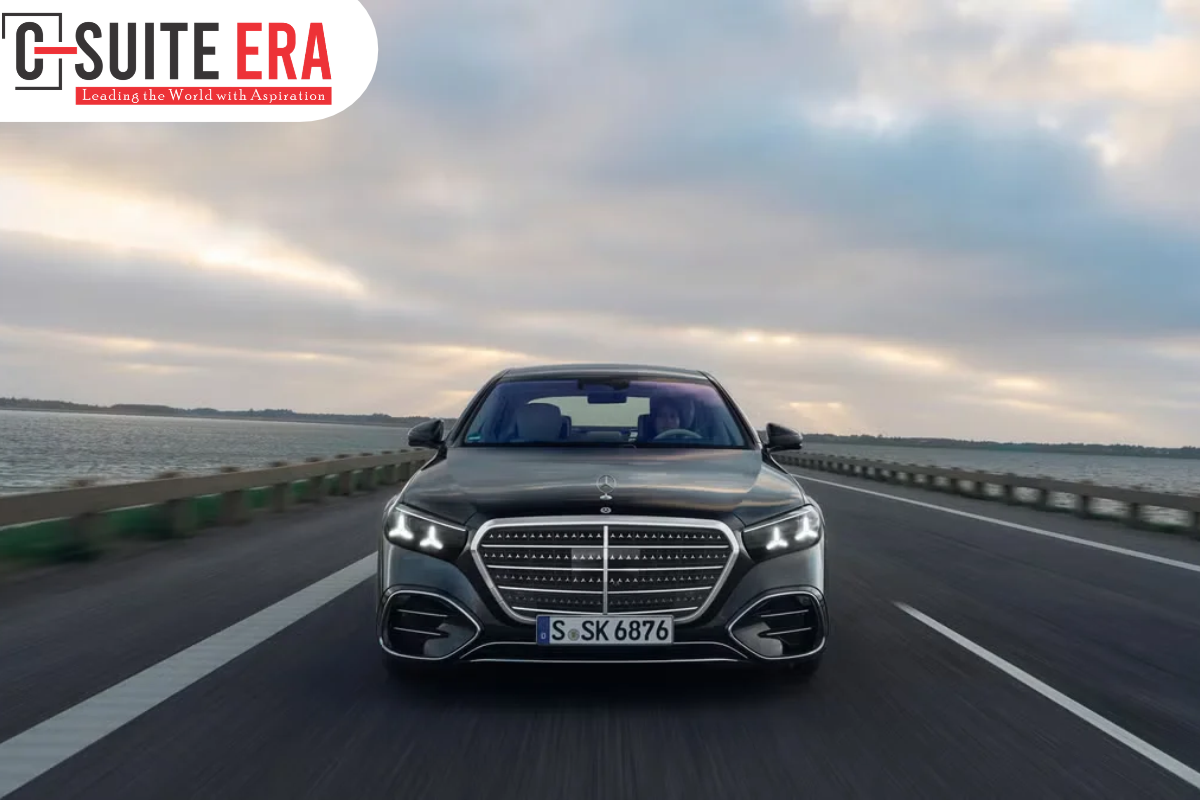
That threshold has created a problem for Mercedes-Benz, which has nearly 20% passive ownership from Chinese entities. Under the current wording, the company could potentially be prevented from selling vehicles in the US.
Senator Bernie Moreno, a Republican and one of the bill’s sponsors, said lawmakers are working on changes to ensure that Mercedes-Benz is not removed from the American market.
Lawmakers Say Mercedes-Benz Is Not the Target
Moreno said the intention is not to ban Mercedes-Benz vehicles from the United States. However, lawmakers still need to determine how the company can remain compliant without forcing major changes to its ownership structure.
The discussion has become particularly important because Mercedes-Benz has substantial business operations in the US and is a major global automotive manufacturer.
The legislation therefore faces a balance between restricting Chinese influence in the American vehicle market and avoiding consequences for established international companies.
Rand Paul Remains a Key Obstacle
Republican Senator Rand Paul has raised objections to the current version of the bill. He described the measure as an unfair attack on Mercedes-Benz and said the company should be removed from the legislation’s impact before the bill moves forward.
Moreno is seeking a faster path for Senate approval before lawmakers leave Washington for their November recess. Discussions with Paul remain part of that effort.
The bill needs broad Senate support for the proposed fast-track process, making the concerns over Mercedes-Benz particularly significant.
Volvo and Aston Martin Could Also Be Affected
Mercedes-Benz is not the only international automaker facing questions under the proposed ownership threshold.
Volvo Cars, which is majority owned by China’s Geely Holding, could also face restrictions under the legislation. Moreno said lawmakers are examining possible approaches that would allow Volvo to continue selling vehicles in the US.
Other companies could also be affected. Aston Martin is about 17% owned by Geely, while Britain’s Lotus is majority owned by the Chinese group.
The situation highlights the difficulty of creating ownership rules that target Chinese automotive influence without affecting global companies with complex international shareholder structures.
Existing US Restrictions Already Limit Chinese Automakers
The proposed legislation would build on restrictions already imposed by the US government.
A regulation introduced under the Biden administration in early 2025 effectively prevented Chinese automakers from selling or building passenger vehicles in the United States because of concerns surrounding sensitive vehicle and driver data.
The United States also maintains tariffs of more than 100% on Chinese electric vehicles, creating another major barrier for Chinese manufacturers seeking direct access to the American market.
Automakers Watch the Debate Closely
The legislation has attracted significant attention from the automotive industry because ownership structures have become increasingly international.
Chinese companies have invested in or acquired stakes in several global automakers, while European and British brands maintain manufacturing, technology and supply relationships across multiple markets.
A strict ownership threshold could therefore have consequences beyond Chinese vehicle manufacturers themselves.
The debate also comes as the US automotive industry considers how to respond to China’s growing role in electric vehicles, batteries, software and automotive technology.
China Pushes Back Against Restrictions
Chinese officials have previously criticized US proposals aimed at restricting Chinese automotive companies, arguing that such measures interfere with market competition.
China has also emphasized the international popularity of its vehicles and attributed their growing presence to technological development and competition in its domestic market.
The US government, meanwhile, has focused on national security and data concerns when restricting Chinese connected-vehicle technology and automotive companies.
A Broader Question for the Global Auto Industry
The debate over the bill reflects a larger challenge facing the global automotive industry. Automakers increasingly rely on international investment, global supply chains and cross-border technology partnerships, while governments are placing greater emphasis on national security and strategic industries.
For lawmakers, the challenge is to establish rules that restrict areas considered strategically sensitive without unintentionally disrupting established international manufacturers.
For companies such as Mercedes-Benz, Volvo and Aston Martin, the outcome could influence how ownership structures and Chinese investment are managed in the US market.
The immediate focus now is on modifying the legislation before it moves forward, with lawmakers continuing discussions over how the ownership threshold should apply to global automakers.
Aldo Read :- Ford CEO Warns US to Move Carefully on Chinese Automakers