


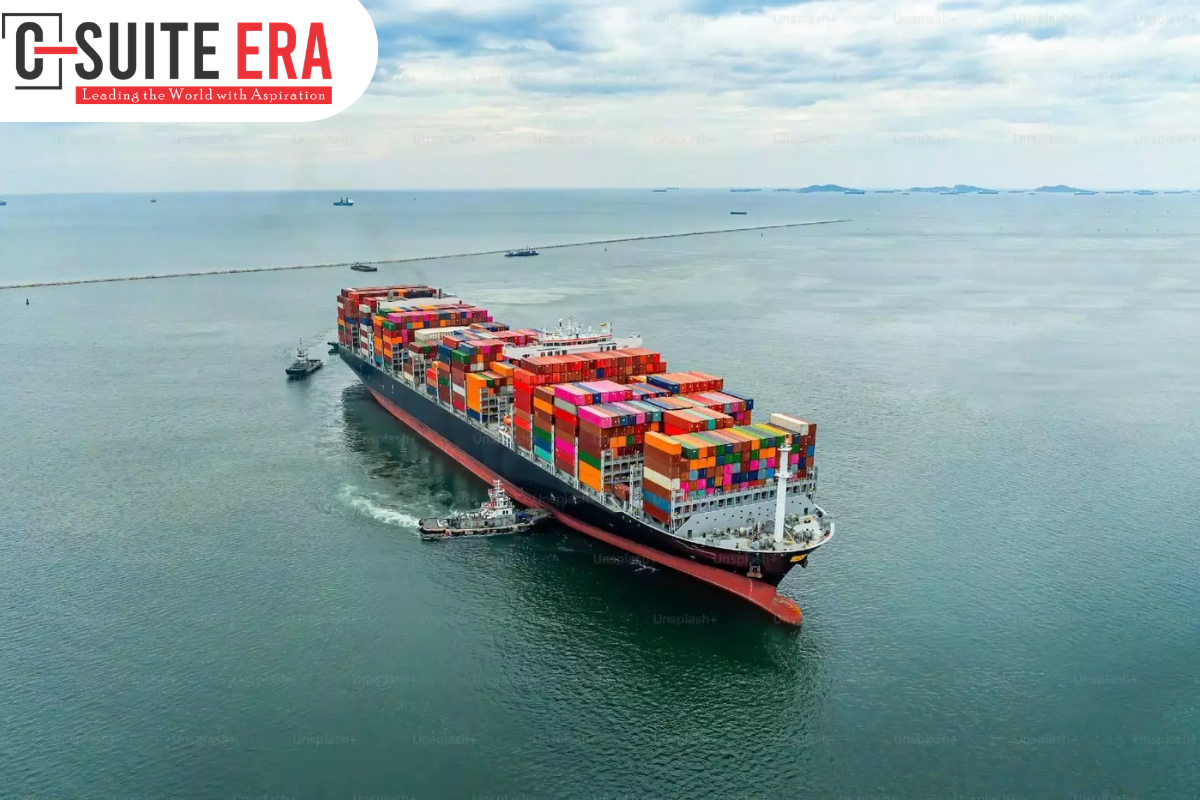
Vessel Traffic Falls Well Below Normal Levels
Shipping activity through the Strait of Hormuz remained significantly below normal over the weekend, highlighting the continuing disruption to one of the world’s most important energy corridors.
Only four commodity vessels exited the Gulf while ten entered during the weekend. That compares with a recent 10 day average of about 14 vessels a day.
The reduced traffic reflects continuing security concerns as vessels face a more uncertain operating environment in and around the strait.
Hormuz Remains a Critical Global Energy Route
Before the current conflict, the Strait of Hormuz handled around 125 vessel transits each day.
The waterway is particularly important for global energy markets because roughly one fifth of the world’s crude oil and liquefied natural gas supply normally moves through the route.
The sharp reduction in traffic therefore has consequences far beyond the Middle East, particularly for countries that depend heavily on Gulf energy supplies.
Security Risks Continue to Discourage Ship Operators
The decline in traffic comes as regional military tensions remain elevated.
A commercial vessel was recently struck by an unidentified projectile while operating in the area, reinforcing concerns among shipowners and operators about the risks of using the waterway.
Higher security risks can also increase insurance premiums, operating costs and the amount of time vessels spend waiting for safer conditions.
For shipping companies, these costs can make alternative routes increasingly attractive even when they require substantially longer journeys.
Iranian Oil Exports Remain Severely Constrained
The disruption has also had a major impact on Iranian crude exports.
A U.S.-enforced blockade on Iran-related shipping has effectively halted Iranian crude oil exports since mid-July, further reducing activity associated with the country’s energy trade.
The restrictions have added another layer of pressure to an already disrupted regional shipping system.
Saudi Arabia’s Alternative Oil Route Also Faces Disruption
The Strait of Hormuz is not the only important energy route facing problems.
Saudi Arabia’s East-West oil pipeline, which provides an alternative route for moving crude from the kingdom’s eastern production areas toward the Red Sea, was temporarily shut after a drone attack.
The pipeline is strategically important because it can help reduce Saudi Arabia’s dependence on Hormuz for exports.
Its shutdown therefore increases concerns about how much alternative capacity is available if shipping through Hormuz remains restricted.
Bab el-Mandeb Traffic Remains More Stable
The disruption has not affected every major Middle Eastern shipping corridor equally.
Traffic through the Bab el-Mandeb Strait remained comparatively stable over the weekend. Twenty-four commodity vessels passed through on Saturday and 27 on Sunday, broadly consistent with the recent 10 day average.
That contrast is important because Bab el-Mandeb connects the Red Sea with the Gulf of Aden and represents another major route for global energy and commercial shipping.
Oil Markets React to Growing Supply Risks
The combination of weak Hormuz traffic and problems affecting alternative infrastructure has increased concerns about global oil supplies.
Brent crude moved above $107 a barrel as traders assessed the possibility of prolonged disruptions to energy exports.
Higher oil prices can quickly spread through the global economy. Airlines, shipping companies, manufacturers and logistics providers all face higher operating costs when fuel prices rise.
Those increases can eventually reach consumers through higher transportation and product prices.
Shipping Companies Face Higher Costs
The longer the disruption continues, the greater the pressure on global shipping economics.
Operators may need to use alternative routes, wait for safer transit windows or increase security measures. Longer voyages consume more fuel and require additional vessels to maintain the same level of cargo capacity.
Higher insurance and fuel costs can further increase freight rates.
For businesses that depend on imported energy, raw materials or finished products, these additional expenses could become another source of inflation.
Global Supply Chains Remain Vulnerable
The latest decline in Hormuz traffic demonstrates how vulnerable international trade remains to disruptions at strategic maritime chokepoints.
Even when vessels continue moving through an affected region, significantly lower traffic can reduce the availability of ships and raise transportation costs.
The situation also creates uncertainty for energy-intensive industries and countries that rely heavily on imports from the Gulf.
Energy Security Becomes a Growing Global Concern
The Strait of Hormuz crisis is increasingly becoming an issue of global energy security rather than simply a regional shipping problem.
With traffic still far below normal levels and alternative infrastructure facing its own disruptions, markets remain sensitive to every development affecting Gulf exports.
The longer these conditions persist, the greater the possibility of sustained pressure on oil prices, shipping costs and inflation.
For global markets, the key question is no longer simply whether vessels can pass through Hormuz. **It is whether the world’s energy and shipping networks can continue functioning efficiently while one of their most important corridors remains severely disrupted.
Also Read :- Trump Says US Does Not Need China’s Help on Iran Ahead of High-Stakes Xi Summit