


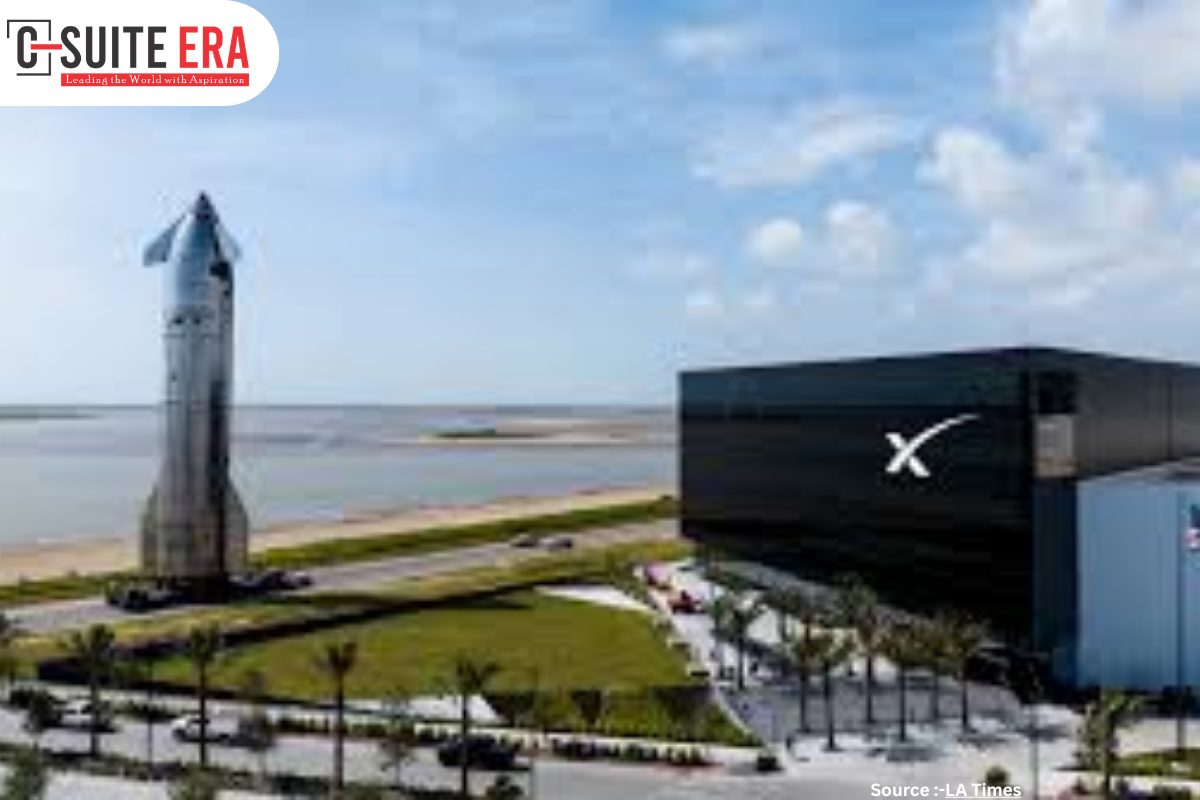
1. From Remote Coastline to Global Space Hub
What was once a quiet stretch of South Texas coastline has become one of the most closely watched locations in the world of aerospace. The transformation of Boca Chica into Starbase, the headquarters of Elon Musk’s SpaceX rocket operations, has brought jobs, investment, and international attention to the region—but it has also created growing tensions among residents living in the shadow of the company’s ambitions.
According to Reuters, Starbase has become the centerpiece of SpaceX’s effort to develop the fully reusable Starship rocket, a vehicle central to Musk’s long-term vision of establishing human settlements on Mars. The area has evolved from a sparsely populated coastal community into a bustling industrial and tourism destination attracting engineers, contractors, investors, and space enthusiasts from around the world.
The economic impact has been significant. Local businesses report increased customer traffic, hotels have benefited from launch-related tourism, and thousands of jobs have been created across the Rio Grande Valley. SpaceX estimates that Starbase now supports roughly 5,000 jobs, making it one of the region’s most influential economic drivers.
For many residents, the changes have created new opportunities. Charter boat operators, restaurants, retailers, and service providers have all benefited from the influx of visitors eager to witness rocket launches. Families with members employed by SpaceX have seen higher incomes and expanded career prospects in a region that historically faced economic challenges.
The company’s growth comes at a critical moment as SpaceX prepares for what could become the largest initial public offering in history, seeking to raise approximately $75 billion at a valuation of around $1.75 trillion. Investor enthusiasm has been exceptionally strong, underscoring confidence in the company’s future.
2. Residents Confront the Costs of Living Near Rocket Launches
While Starbase has brought prosperity to many, some local residents say the benefits have come with significant personal and environmental costs.
Reuters reported that repeated rocket launches have generated shockwaves strong enough to damage nearby homes. Residents in surrounding communities, including Port Isabel and other areas near the launch complex, have filed lawsuits alleging structural damage caused by launch-related vibrations. Claims include cracked ceilings, damaged windows, foundation shifts, and other property issues.
The concerns extend beyond property damage. Environmental advocates have questioned the impact of frequent launches on nearby wildlife habitats and coastal ecosystems. Local groups have raised concerns about increased industrial activity, road closures, and restrictions on public access to beaches that have historically been important recreational areas for residents.
Some community members argue that the pace of development has outstripped efforts to address local concerns. They contend that while Starbase has become a symbol of technological progress, many long-time residents feel excluded from decisions affecting their neighborhoods and daily lives.
The tensions have intensified following reports of workplace safety incidents and the growing scale of SpaceX’s operations. As Starship testing accelerates, the frequency and intensity of launch activities are expected to increase, bringing additional scrutiny from both residents and regulators.
Despite these concerns, many locals acknowledge the broader significance of the project. For a region long seeking economic development, SpaceX has delivered opportunities that few other employers could match. The debate increasingly centers not on whether Starbase should exist, but on how its growth should be managed.
3. SpaceX’s Future Expansion May Deepen Both Benefits and Challenges
The questions facing Starbase are likely to become even more significant as SpaceX expands its ambitions.
The company has stated that Starship is designed to support dramatically higher launch frequencies than traditional rockets. SpaceX executives envision a future where launches occur regularly, potentially reaching levels that would transform access to space and enable large-scale satellite deployment, lunar missions, and eventual Mars exploration.
Such ambitions are central to the company’s valuation and long-term strategy. Beyond rockets, SpaceX is increasingly positioning itself as a major player in satellite communications, artificial intelligence infrastructure, and space-based computing technologies. Analysts believe the success of Starship will be critical to unlocking these future markets.
For South Texas, that growth could mean continued economic expansion, higher property values, increased tourism, and new employment opportunities. However, it could also bring additional pressure on infrastructure, housing, public services, and environmental resources.
The situation highlights a broader challenge facing communities hosting transformational technology projects. Innovation often generates substantial economic rewards, but it can also create disruptions that are unevenly distributed among residents.
Starbase therefore represents more than a spaceport. It has become a case study in how ambitious technological development can reshape entire communities. For supporters, it is proof that visionary projects can revitalize regions and create new economic possibilities. For critics, it illustrates the risks of rapid expansion when local concerns struggle to keep pace with corporate growth.
As SpaceX moves closer to realizing its vision of frequent Starship launches and eventual missions to Mars, the future of Starbase will likely continue to reflect both sides of that story—remarkable opportunity and growing community tension.
Also Read : C Suit Era Magazine For More information