

The healthcare industry continues to expand worldwide, creating a growing demand for qualified nursing professionals. Nurses play a critical role in patient care, healthcare management, education, and community health. For aspiring healthcare workers, understanding the Nursing education pathway is essential for making informed decisions about academic programs, certifications, and career advancement opportunities.
A well-structured educational journey not only prepares students for licensing requirements but also equips them with the clinical skills and professional knowledge needed to excel in today’s healthcare environment. Whether you are considering a nursing career for the first time or planning to advance your qualifications, understanding the Nursing education pathway can help you achieve your professional goals.
Understanding the Nursing Profession
Nursing is one of the most respected and rewarding professions in healthcare. Nurses work directly with patients, collaborate with physicians and healthcare teams, administer treatments, monitor health conditions, and provide emotional support to patients and families.
Modern nursing extends far beyond bedside care. Nurses can specialize in areas such as pediatrics, emergency medicine, oncology, mental health, critical care, and healthcare administration. Because of these diverse opportunities, the Nursing education pathway offers multiple entry points and advancement options depending on individual career aspirations.
Step 1: Completing Secondary Education
The first stage of the nursing journey begins during high school or secondary education. Students interested in nursing should focus on subjects that provide a strong scientific foundation, including:
- Biology
- Chemistry
- Physics
- Mathematics
- Health sciences
Strong communication and interpersonal skills are equally important, as nurses regularly interact with patients, families, and healthcare professionals.
Academic performance during this stage often influences admission opportunities for nursing programs and healthcare-related degrees.
Step 2: Choosing an Entry-Level Nursing Program
One of the most important decisions in the Nursing education pathway is selecting the appropriate nursing program. Several educational routes are available depending on career goals and regional licensing requirements.
Diploma in Nursing
Diploma programs provide foundational nursing knowledge and clinical experience. These programs are often shorter than degree programs and focus heavily on practical patient care skills.
Associate Degree in Nursing (ADN)
An ADN typically takes two to three years to complete and prepares graduates for entry-level nursing positions. Graduates are generally eligible to sit for nursing licensure examinations after completing program requirements.
Bachelor of Science in Nursing (BSN)
A BSN is increasingly becoming the preferred qualification among healthcare employers. This four-year degree combines clinical training with coursework in leadership, research, public health, and healthcare management.
Many healthcare organizations favor BSN-prepared nurses due to their broader educational background and enhanced critical thinking abilities.
Step 3: Clinical Training and Practical Experience
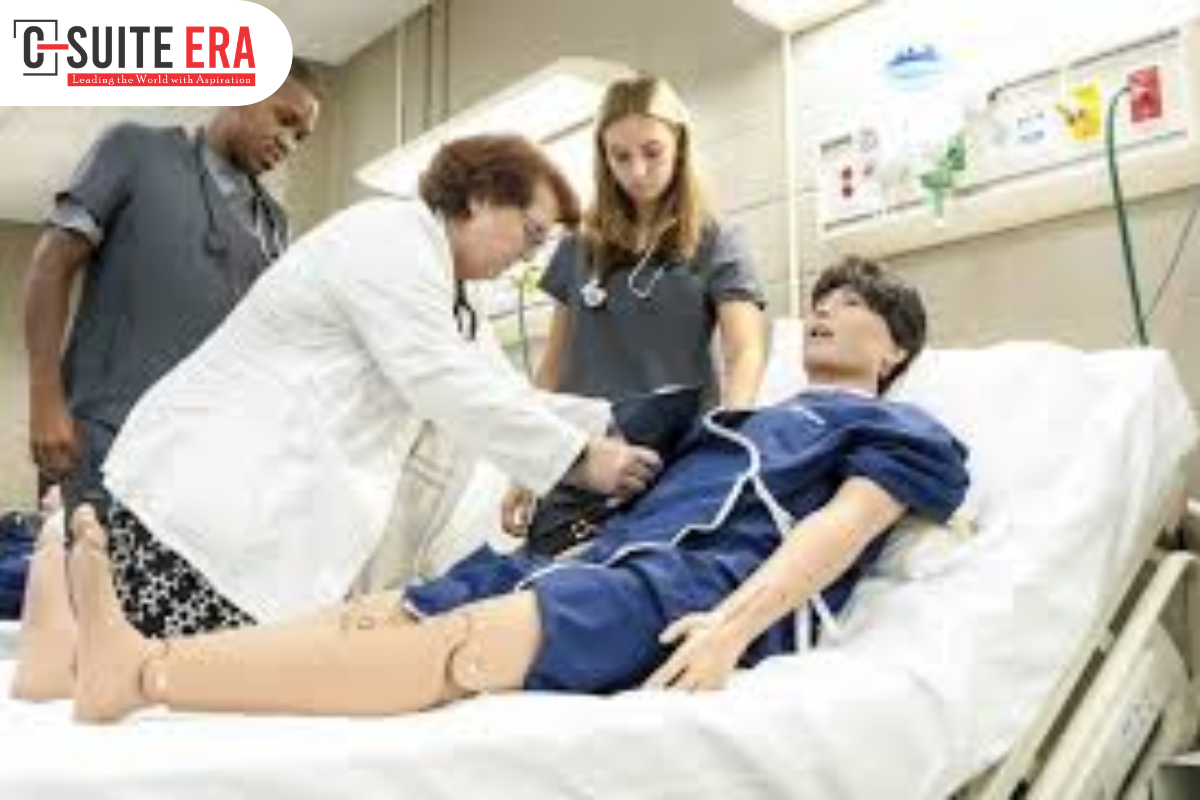
Clinical training is a vital component of every Nursing education pathway. During clinical placements, students gain hands-on experience under the supervision of licensed healthcare professionals.
Clinical rotations may include:
- Medical-surgical nursing
- Pediatric care
- Maternity services
- Mental health nursing
- Community health
- Emergency care
These practical experiences help students develop patient assessment skills, medication administration techniques, communication abilities, and professional confidence.
Exposure to various healthcare environments also allows students to identify areas of interest for future specialization.
Step 4: Obtaining Nursing Licensure
After completing an approved nursing program, graduates must obtain professional licensure before practicing independently.
Licensure requirements vary by country and region but generally involve:
- Graduation from an accredited nursing program
- Successful completion of a licensing examination
- Background verification
- Compliance with professional regulatory standards
Licensure ensures that nurses meet established competency requirements and maintain professional accountability.
This step officially marks the transition from nursing student to practicing healthcare professional.
Step 5: Beginning a Professional Nursing Career
Once licensed, nurses can pursue employment in a variety of healthcare settings, including:
- Hospitals
- Clinics
- Long-term care facilities
- Rehabilitation centers
- Schools
- Community health organizations
- Government healthcare agencies
Entry-level nursing positions provide valuable real-world experience that strengthens clinical judgment and patient care skills.
Many nurses use this stage to explore different specialties before committing to a long-term career focus.
Advancing Through Higher Education
One of the greatest strengths of the Nursing education pathway is its flexibility. Nurses can continue advancing their qualifications throughout their careers.
RN-to-BSN Programs
Registered nurses who initially completed diploma or associate degree programs can pursue RN-to-BSN programs to earn a bachelor’s degree while continuing to work.
These programs often focus on:
- Leadership
- Evidence-based practice
- Healthcare policy
- Community health
Master of Science in Nursing (MSN)
An MSN prepares nurses for advanced practice, education, administration, and specialized clinical roles.
Popular MSN specializations include:
- Nurse Practitioner
- Nurse Educator
- Clinical Nurse Leader
- Nurse Administrator
Graduate education opens doors to increased responsibilities and higher earning potential.
Doctoral Nursing Degrees
For nurses interested in leadership, research, or academic careers, doctoral degrees represent the highest level of nursing education.
Common doctoral options include:
- Doctor of Nursing Practice (DNP)
- Doctor of Philosophy in Nursing (PhD)
These programs focus on advanced clinical practice, healthcare innovation, policy development, and nursing research.
Nursing Specializations
As healthcare becomes increasingly complex, specialization has become an important part of career development.
Popular nursing specialties include:
Pediatric Nursing
Focused on the care of infants, children, and adolescents.
Critical Care Nursing
Provides treatment for patients with life-threatening conditions in intensive care settings.
Emergency Nursing
Works in fast-paced environments where immediate assessment and intervention are required.
Oncology Nursing
Specializes in caring for patients undergoing cancer treatment and recovery.
Mental Health Nursing
Supports individuals experiencing psychiatric and behavioral health conditions.
Specialization often requires additional certifications, continuing education, and clinical experience.
The Importance of Continuing Education
Healthcare practices and technologies evolve constantly. As a result, lifelong learning is a critical component of professional nursing.
Continuing education helps nurses:
- Maintain licensure requirements
- Learn new treatment protocols
- Improve patient outcomes
- Develop leadership skills
- Stay informed about healthcare innovations
Many employers encourage ongoing professional development through workshops, certifications, conferences, and advanced academic programs.
Continuous learning ensures nurses remain competent and effective throughout their careers.
Career Opportunities and Job Outlook
The global demand for nurses continues to rise due to several factors, including:
- Aging populations
- Increased healthcare access
- Chronic disease management
- Healthcare workforce shortages
Nursing professionals enjoy strong job stability, diverse employment options, and opportunities for advancement.
Depending on education and specialization, nurses may work in clinical care, education, research, administration, public health, or healthcare policy.
The versatility of the profession makes nursing one of the most attractive healthcare careers available today.
Conclusion
The Nursing education pathway offers a structured yet flexible route toward a meaningful and impactful career in healthcare. From foundational nursing programs and clinical training to advanced degrees and specialized certifications, each stage provides opportunities for personal and professional growth.
Understanding the Nursing education pathway allows aspiring nurses to plan their educational journey strategically while preparing for long-term success. As healthcare systems continue to evolve and demand for skilled professionals increases, nursing remains a career that offers stability, advancement, and the opportunity to make a lasting difference in people’s lives.
For individuals passionate about helping others and improving health outcomes, following the right Nursing education pathway can lead to a rewarding and fulfilling future.
Also Read :- Rift Between America’s Top Spy Agencies Raises Concerns Over National Security Coordination