
Key Inflation Gauge Posts Sharpest Annual Rise Since 2023
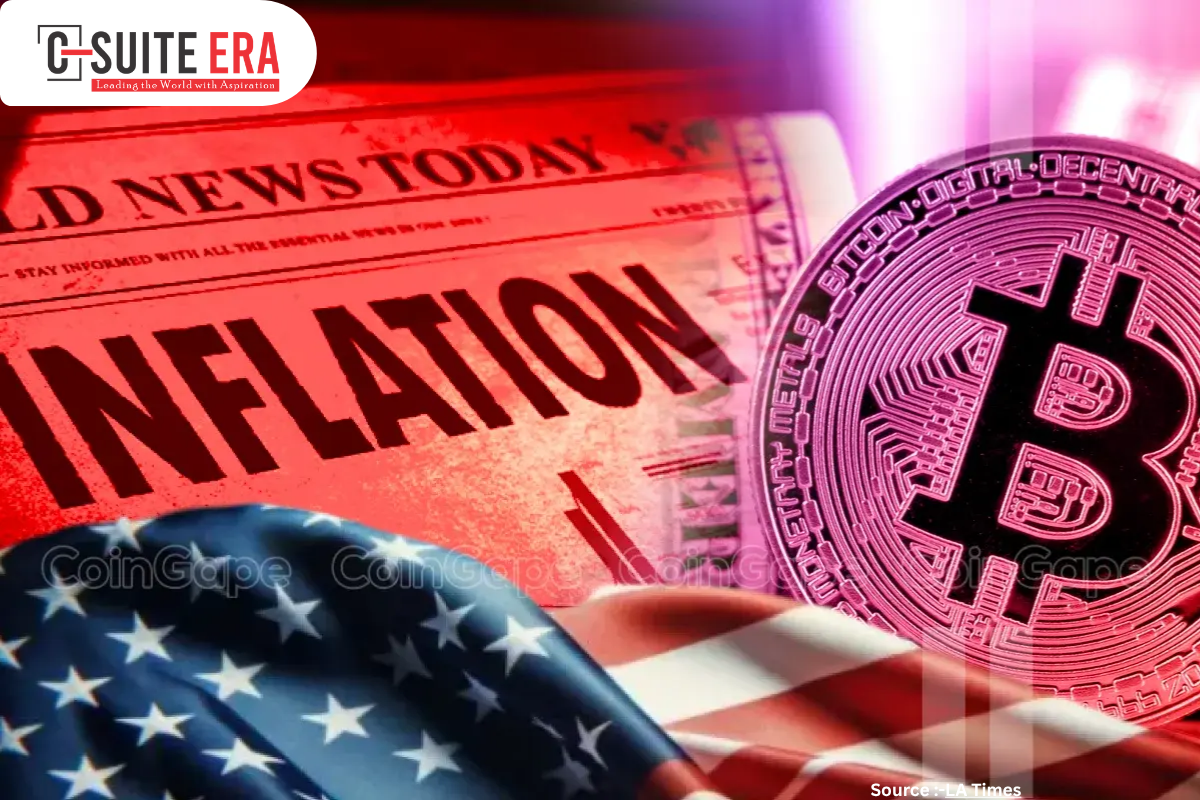
The United States’ most closely watched inflation measure accelerated sharply in April, reinforcing concerns that price US Inflation are regaining momentum and complicating the Federal Reserve’s path toward monetary easing.
According to data released by the Commerce Department, the Personal Consumption Expenditures (PCE) Price Index — the Federal Reserve’s preferred inflation benchmark — rose 3.8% year-over-year in April, marking its largest annual increase in three years. The figure represents a notable jump US Inflation from March and signals that inflationary pressures remain significantly above the Fed’s long-term 2% target. Core PCE inflation, which excludes volatile food and energy prices, climbed 3.3% annually, also posting its fastest pace since late 2023.
Reuters reported that much of the increase was driven by surging energy costs linked to the ongoing Iran conflict, which has disrupted global oil supply expectations and pushed fuel prices higher across international markets. Rising transportation and utility costs have begun feeding into broader consumer prices, increasing the overall cost burden on American households.
The April figures have intensified concerns that the inflation progress achieved over the past two years may be reversing. Economists had expected some firming in price growth, but the magnitude of the increase has strengthened expectations that the Federal Reserve will keep interest rates elevated for an extended period.
The data also US Inflation underscore a growing divergence between headline inflation indicators and hopes for near-term monetary policy relief. Investors who had anticipated possible rate cuts later this year are now reassessing those expectations in light of renewed pricing pressures.
Household Finances Face Mounting Pressure as Real Income Declines
The US Inflation acceleration is increasingly affecting household purchasing power, with fresh government data showing that real disposable income declined for a third consecutive month in April.
After adjusting for inflation, household income fell 1.1% compared with a year earlier, representing the steepest annual decline since late 2022. At the same time, the US personal savings rate dropped to 2.6%, its lowest level in four years, indicating that consumers are drawing more heavily on available cash reserves to maintain spending levels.
Although US Inflation overall consumer spending rose 0.5% in April, analysts note that much of the increase was concentrated in essential categories such as fuel, utilities, and food rather than discretionary purchases. This suggests that nominal spending growth is being driven more by higher prices than by stronger underlying consumption demand.
Economists warn that sustained erosion in purchasing power could weaken consumer confidence and eventually slow broader economic growth. Consumer spending accounts for nearly 70% of US economic activity, making any prolonged pullback a major concern for policymakers and financial markets.
The latest inflation data also present a political challenge for President Donald Trump, who campaigned heavily on promises to lower costs and restore household affordability. Rising fuel and living expenses are increasing pressure on the administration as public scrutiny grows over the economic consequences of global geopolitical instability and domestic tariff policies.
Federal Reserve Faces Tougher Policy Choices Ahead
The stronger-than-expected inflation reading is likely to reinforce the Federal Reserve’s cautious stance on interest rates.
Most economists now expect the central bank to keep its benchmark rate in the 3.50% to 3.75% range well into 2027, delaying any significant monetary easing until inflation shows clearer signs of cooling. The April report strengthens arguments among policymakers favoring patience, particularly as energy-driven inflation continues filtering through broader sectors of the economy.
The data also complicate decision-making for Federal Reserve Chair Kevin Warsh, who must navigate a growing gap between different inflation measures. Reuters analysis highlighted unusual divergence between core PCE and CPI readings, creating added uncertainty around the true persistence of underlying price pressures.
Financial markets reacted cautiously to the release, with Treasury yields remaining elevated and traders scaling back expectations for rate cuts. While strong artificial intelligence-related investment continues to support parts of the economy, economists caution that consumer resilience may weaken if inflation remains elevated through the second half of the year.
The April PCE report therefore represents more than a routine economic data release. It signals a potentially important turning point in the inflation narrative, suggesting that external shocks — particularly energy market disruptions tied to geopolitical conflict — may continue to challenge the Fed’s effort to bring price growth sustainably under control.
As policymakers prepare for upcoming rate decisions, the latest numbers reinforce a central reality facing the US economy: inflation remains one of the defining challenges of 2026, with consequences that extend from household budgets to financial markets and national political strategy.
Also Read : – C Suit Era Magazine for more information