

Apple Surpasses Nvidia in Historic Market Value Shift
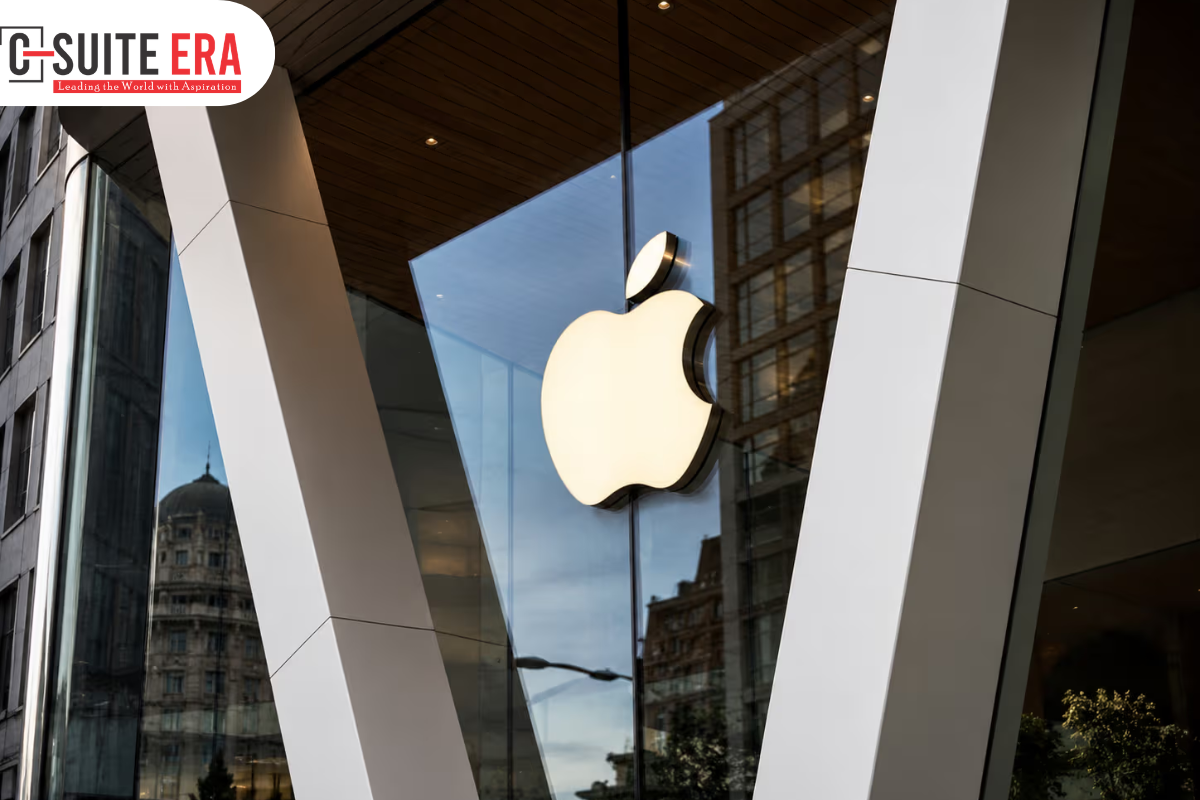
Apple has reclaimed its position as the world’s most valuable publicly traded company, overtaking AI chip leader Nvidia in a significant shift that reflects changing investor sentiment toward the next phase of artificial intelligence growth.
According to Reuters, Apple reached a market capitalization of approximately $4.88 trillion, edging past Nvidia’s $4.86 trillion after Nvidia’s shares declined by around 3.5% during trading. The milestone marks the first time in more than a year that Apple has held the top position, ending Nvidia’s dominance at the peak of the AI investment boom.
The change highlights an evolving investment landscape in which investors are expanding their focus beyond companies supplying AI infrastructure toward businesses expected to generate long-term value through AI-powered products and services. While Nvidia remains the dominant supplier of graphics processors used to train and operate advanced AI systems, Apple has gained momentum through optimism surrounding its expanding artificial intelligence strategy and consistently strong financial performance.
Apple’s resurgence comes despite earlier concerns that it had fallen behind competitors in generative AI development. Investors have increasingly responded positively to the company’s approach of integrating artificial intelligence directly into its hardware ecosystem while emphasizing user privacy and on-device processing. Reuters reported that Apple’s steady earnings growth, loyal customer base, and highly profitable services business have further strengthened investor confidence.
The leadership transition also coincides with broader corporate developments at Apple. Chief Executive Tim Cook is expected to hand leadership to John Ternus in September, marking one of the company’s most significant executive changes in over a decade. Despite the upcoming transition, investors appear confident that Apple’s long-term strategy remains firmly intact.
AI Investment Broadens Beyond Chipmakers
The latest market shift reflects a broader evolution in how investors are approaching the artificial intelligence sector.
For much of the past two years, Nvidia benefited enormously from unprecedented demand for AI chips powering data centers around the world. The company became the first publicly traded business to surpass a $5 trillion market valuation as cloud providers, technology companies, and enterprises dramatically increased spending on AI infrastructure.
However, Reuters reported that investors are increasingly broadening their AI investments beyond semiconductor manufacturers. Companies expected to benefit from deploying AI into consumer products, enterprise software, and cloud services are attracting growing attention as markets begin evaluating which businesses will generate the greatest long-term returns from artificial intelligence adoption.
Apple’s AI strategy differs from many competitors by focusing heavily on integrating intelligence directly into its ecosystem of iPhones, iPads, Macs, and wearable devices. Rather than developing the largest standalone AI models, the company has prioritized personalized AI experiences that process much of a user’s information securely on-device while enhancing features such as Siri and productivity applications. Reuters noted that this approach has strengthened investor confidence that Apple can monetize AI through its existing hardware ecosystem without requiring the enormous infrastructure investments undertaken by some rivals.
The broader semiconductor sector has also experienced increased volatility. Reuters reported that the Philadelphia Semiconductor Index has fallen nearly 19% from its recent peak, suggesting that investors are becoming more selective after the extraordinary gains recorded during the initial AI boom. At the same time, companies such as Micron Technology and SK Hynix continue benefiting from strong demand for memory chips used in AI systems, indicating that interest in AI-related technologies remains robust despite short-term market fluctuations.
Tech Leadership Enters a New Phase of AI Competition
Apple’s return to the top of the global market rankings underscores the changing dynamics of competition within the technology industry.
While Nvidia continues to dominate AI computing infrastructure, Apple’s rise demonstrates growing investor belief that companies capable of delivering AI-powered consumer experiences may capture substantial long-term value as artificial intelligence becomes more deeply integrated into everyday technology. Analysts suggest that the next phase of AI competition will increasingly depend on how effectively companies translate advanced AI capabilities into products used by hundreds of millions of consumers.
Apple’s extensive ecosystem provides a significant competitive advantage. With more than two billion active devices worldwide, the company has a vast installed user base through which it can deploy AI-powered services, software updates, and intelligent features without relying solely on new hardware sales. This recurring ecosystem revenue has become an increasingly attractive characteristic for investors seeking stable long-term growth.
Meanwhile, Nvidia remains a central player in the AI revolution. Demand for its graphics processors continues to outpace supply in many markets, and the company remains critical to the expansion of data centers supporting generative AI models worldwide. However, the latest market movements suggest investors are beginning to evaluate a broader range of companies expected to benefit from widespread AI adoption rather than concentrating exclusively on infrastructure providers.
The renewed competition between Apple and Nvidia also reflects the increasing maturity of the artificial intelligence industry. Early investment focused primarily on companies building AI infrastructure, while the next stage appears centered on organizations capable of transforming those technologies into widely adopted commercial products and services.
As artificial intelligence continues reshaping global technology markets, leadership among the world’s largest companies is likely to remain highly competitive. Apple’s return to the top illustrates that sustained innovation, ecosystem strength, and disciplined execution remain just as important as breakthrough AI hardware in determining long-term market value. The evolving rivalry between Apple and Nvidia now symbolizes a broader transition in the AI economy—from building the technology to delivering its benefits at global scale.
Also Read :- Apple Commits Over $30 Billion to Broadcom in Major Push for US Chip Manufacturing
As artificial intelligence continues reshaping global technology markets, leadership among the world’s largest companies is likely to remain highly competitive. Apple’s return to the top illustrates that sustained innovation, ecosystem strength, and disciplined execution remain just as important as breakthrough AI hardware in determining long-term market value. The evolving rivalry between Apple and Nvidia now symbolizes a broader transition in the AI economy—from building the technology to delivering its benefits at global scale.
Also Read :- Apple Commits Over $30 Billion to Broadcom in Major Push for US Chip Manufacturing